Overview of the Incident: U.S.-Flagged Cargo Ship Overturned in Pacific
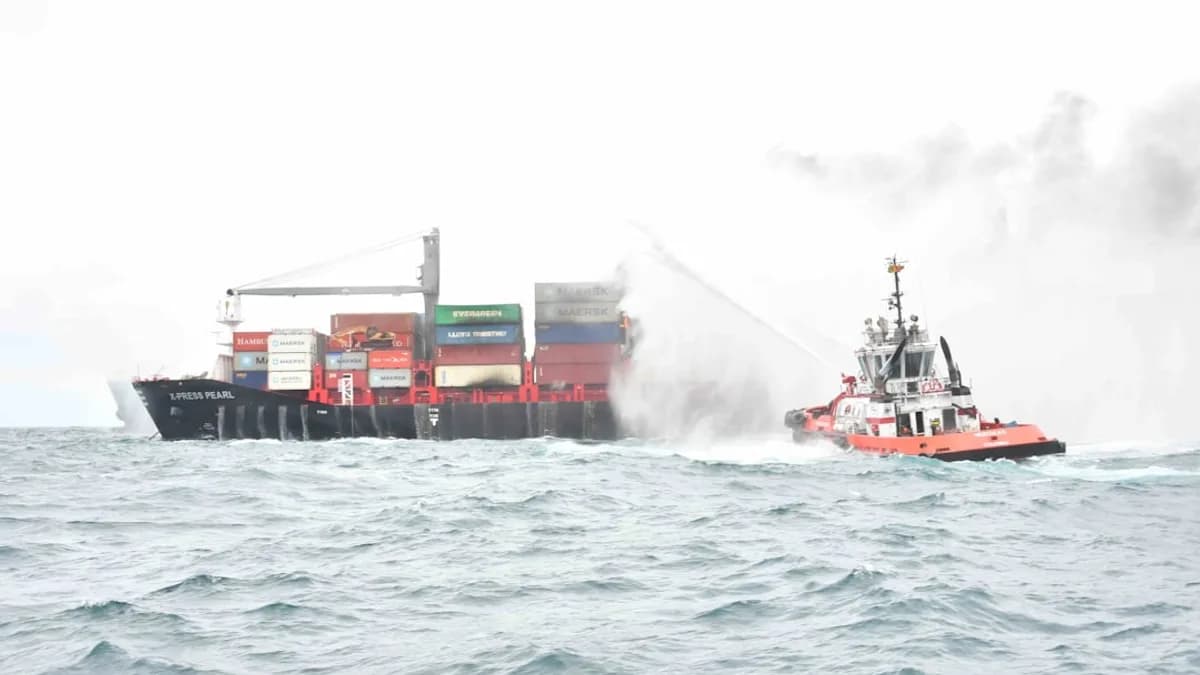
A routine cargo run turned into a race against time when a U.S.-flagged ship was discovered overturned near Saipan in the wake of Typhoon Sinlaku. The incident has left six crew members missing, prompting an urgent international search and rescue operation in the vast, often unforgiving, waters of the western Pacific [Source: Source]. The vessel, whose name and cargo details have not been disclosed publicly, was operating under the American flag, a distinction that carries specific safety and regulatory obligations.
The ship vanished from radar during the typhoon’s passage, raising alarms when it failed to reach its scheduled destination. The U.S. Coast Guard, responding to distress signals and subsequent silence, launched aerial patrols and soon spotted the upturned hull drifting near Saipan—a stark testament to the typhoon’s power. As rescue teams comb the area for survivors, every hour matters. The fate of the missing crew hangs in the balance, underscoring the high stakes faced by maritime workers in storm-lashed seas. The search, now involving U.S. military and local authorities, highlights both the resilience and the vulnerability of those who keep global trade moving across perilous waters.
Understanding Typhoon Sinlaku: Impact on Maritime Safety in the Pacific
Typhoon Sinlaku, the storm that precipitated this disaster, was no ordinary weather event. Packing sustained winds and torrential rains, Sinlaku carved a destructive path across the western Pacific in early July, affecting major shipping lanes and island communities alike [Source: Source]. Mariners in the Pacific are no strangers to typhoons—cyclonic storms that can form quickly, change course unpredictably, and generate waves towering more than 40 feet high.
Typhoons pose a unique threat to maritime navigation. Even large, modern cargo ships are vulnerable to capsizing or catastrophic flooding when faced with the combined force of hurricane-strength winds, rogue waves, and rapidly shifting barometric pressures. Navigation becomes treacherous as radar and satellite communications are disrupted, making it difficult for crews to plot safe courses or call for help. The Pacific region, especially in the summer and autumn months, is notorious for such conditions. According to historical data, dozens of merchant ships have been lost to typhoons in the last half-century, including the tragic sinking of the El Faro in 2015 during Hurricane Joaquin, which claimed 33 lives [Source: National Transportation Safety Board].
Such incidents are a sobering reminder that even with modern advances, the sea remains a formidable adversary. Typhoon Sinlaku’s impact on shipping operations underscores the constant tension between the needs of global commerce and the unpredictable forces of nature. For shipping companies, every typhoon season sparks new risk assessments and operational adjustments—a reality that grows more complex as climate patterns shift.
The Role of the U.S. Coast Guard and Search Operations in Pacific Maritime Disasters
The U.S. Coast Guard plays a pivotal role in responding to maritime emergencies, especially in the sprawling, sparsely monitored expanse of the Pacific. Upon learning of the missing U.S.-flagged ship, the Coast Guard coordinated with local authorities and regional partners to deploy search planes and rescue vessels to the last known location near Saipan [Source: Source]. Their mission: locate survivors, provide emergency aid, and recover evidence to understand what went wrong.
Standard search and rescue (SAR) protocols in typhoon-affected waters are complex. First, authorities analyze drift patterns using ocean current models and weather data, then dispatch aircraft and ships to sweep likely zones. Every minute counts, as survival rates in open water plummet after the first 24 hours. Rescue teams must also contend with lingering storm conditions, debris fields, and the vast distances that can stretch logistics to their limits.
Remote Pacific locations add another layer of difficulty. Unlike coastal waters, these regions lack nearby ports or support infrastructure, making sustained SAR operations a formidable challenge. Nonetheless, the Coast Guard’s experience in high-risk environments and its global network of partners often mean the difference between rescue and tragedy. Their efforts are a testament to the importance of well-coordinated, rapid-response capabilities in the face of maritime disasters.
Safety Measures and Regulations for U.S.-Flagged Cargo Ships in Extreme Weather
U.S.-flagged ships are subject to some of the world’s strictest maritime safety regulations, overseen by agencies such as the U.S. Coast Guard and the International Maritime Organization (IMO). These regulations mandate robust vessel construction, regular safety drills, and the use of advanced navigation and weather forecasting technologies [Source: Source]. Shipmasters are trained to alter course or seek shelter when severe weather threatens, and voyage planning often includes contingency routes for typhoon avoidance.
Precautionary measures can include reducing speed, securing cargo, battening down hatches, and, when possible, rerouting to avoid a storm’s projected path. Satellite-based tracking and real-time weather updates have improved decision-making, but the sheer scale and unpredictability of Pacific storms mean that not all dangers can be avoided. In some cases, commercial pressures to maintain schedules may clash with safety-first protocols—a tension that has been the subject of industry debate and regulatory scrutiny.
Are current regulations enough? Some experts argue that as climate change accelerates, intensifying storm frequency and severity, regulations must evolve. Suggestions include requiring even more conservative storm avoidance policies, mandating newer, more resilient ship designs, and enhancing crew training for extreme weather scenarios. The maritime sector’s safety record has improved dramatically over the last century, but recent incidents suggest that the risks posed by “super-typhoons” may outpace existing safeguards.
Implications and Lessons: Enhancing Maritime Safety Amid Increasing Pacific Storms
The tragedy near Saipan arrives at a time when the maritime industry is grappling with the growing reality of climate change. Warmer ocean temperatures fuel stronger, more erratic typhoons, expanding both their reach and their destructive potential [Source: Intergovernmental Panel on Climate Change]. This trend poses a direct threat to global shipping, which still relies on vulnerable sea routes through the Pacific’s typhoon belt.
What can be done? First, advances in ship design—such as higher freeboards, reinforced hulls, and improved ballast systems—can help vessels better withstand extreme conditions. Second, investments in real-time meteorological data and artificial intelligence-driven route optimization can give crews more time to evade storms. Third, the development of new emergency beacon technologies and enhanced survival equipment can increase the odds of rescue if disaster strikes.
International cooperation is also essential. The Pacific is patrolled by a patchwork of national jurisdictions, making cross-border coordination crucial in emergencies. Joint drills, shared data platforms, and harmonized safety standards can help ensure that no ship falls through the cracks during a crisis. The Saipan incident is a stark reminder that maritime safety is a global concern—one that demands both innovation and collaboration.
Conclusion: The Ongoing Search and the Future of Maritime Safety in the Pacific
As the search for the six missing crew members continues, hope and uncertainty intermingle on the high seas. This incident is more than a tragedy—it’s a wake-up call for the maritime sector, highlighting both the progress made and the vulnerabilities that persist [Source: Source]. The resilience and professionalism of rescue teams inspire confidence, but only sustained vigilance, innovation, and international cooperation can safeguard lives in an era of intensifying storms.
Looking ahead, the lessons from Typhoon Sinlaku must drive renewed efforts to harden ships, empower crews, and rethink how we navigate the Pacific’s wildest waters. For shipping companies, regulators, and seafarers alike, the imperative is clear: adapt now, or risk being overtaken by the next storm.