Introduction to the Recent 7.7 Magnitude Earthquake Off Japan’s Coast
A powerful 7.7-magnitude earthquake struck off Japan’s northeastern coast, sending tremors through the region and triggering immediate tsunami advisories across multiple prefectures. The quake, which occurred offshore, prompted Japan’s Meteorological Agency to urge residents in low-lying coastal areas to evacuate, as the first tsunami waves—measured at up to 80 centimeters—began arriving onshore [Source: Source]. Emergency sirens wailed, and local authorities swung into action, activating disaster response protocols while bullet train services and flights were temporarily suspended. For communities along Japan’s Pacific coastline, the earthquake was a stark reminder of the region’s seismic volatility and the ever-present threat of tsunamis.
Geological Context: Understanding Earthquake Activity in Northeastern Japan
Japan’s vulnerability to earthquakes is no accident of fate but a consequence of its geological location. The archipelago sits atop the Pacific "Ring of Fire," an arc of intense seismic and volcanic activity stretching around the Pacific Ocean. Beneath Japan, the Pacific Plate relentlessly grinds against the North American Plate in a tectonic ballet that generates immense stress and, periodically, catastrophic earthquakes. The northeastern coast—where this recent quake struck—is particularly active, as it lies near the Japan Trench, a subduction zone notorious for producing large-magnitude events.
Historically, this region has endured some of the world’s most devastating seismic disasters. The 2011 Tōhoku earthquake, a magnitude 9.0 event, unleashed a towering tsunami that caused widespread destruction and led to the Fukushima nuclear crisis. That tragedy remains etched in the national consciousness, shaping Japan’s approach to disaster preparedness and influencing global seismic risk assessment. Seismologists have long warned that the tectonic plates off northeastern Honshu remain highly stressed, making further large events likely in the coming decades.
The science is clear: Japan’s location makes it one of the most earthquake-prone countries on earth. On average, it experiences several hundred quakes a year, though only a handful reach the intensity of this recent 7.7-magnitude tremor. Each event serves as a test of the country’s sophisticated monitoring networks and its population’s readiness to respond at a moment’s notice.
Tsunami Advisory and Its Implications for Coastal Safety
Following the earthquake, Japan’s Meteorological Agency swiftly issued a tsunami advisory for the Pacific coast of northeastern Honshu. The advisory warned of waves potentially reaching up to a meter high, though the initial surge recorded was approximately 80 centimeters [Source: Source]. While such wave heights are modest compared to the catastrophic tsunamis of 2011, they can still pose significant risks to people, infrastructure, and maritime operations.
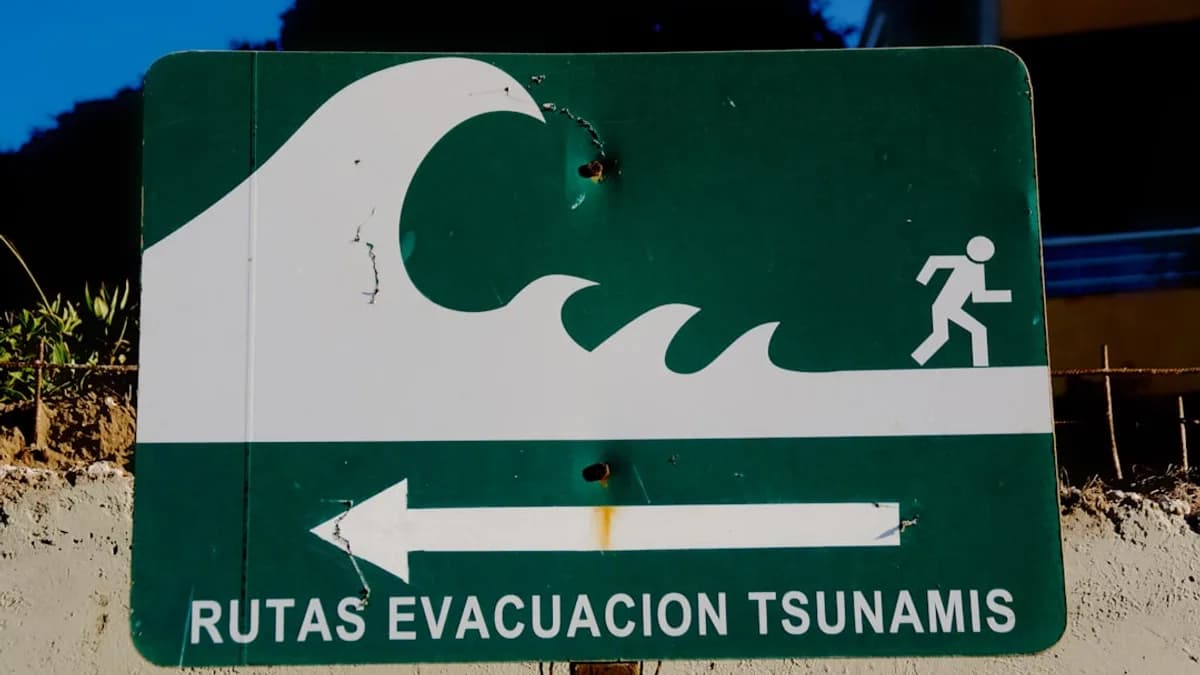
Japan’s tsunami warning system is among the most advanced in the world. It relies on a dense network of offshore sensors, seismographs, and real-time data analysis to estimate wave arrival times and likely impact zones. When a significant quake is detected, advisories and warnings are broadcast via television, radio, mobile alerts, and public loudspeakers. Local authorities then activate evacuation protocols, guiding residents to designated shelters on higher ground.
Preparedness drills are routine, especially in coastal towns that remember the devastation of past tsunamis. Schools, businesses, and community organizations participate in regular evacuation exercises, and many homes are stocked with emergency kits. These measures, combined with rapid communication, have proven critical in minimizing casualties during recent events.
Analyzing the Potential Impact and Risks of the Earthquake and Tsunami
The immediate concern following a major offshore earthquake is the structural integrity of coastal infrastructure. Japan’s building codes are internationally recognized for their rigor, especially in newer construction, but older buildings and critical infrastructure—such as bridges, ports, and seawalls—remain vulnerable to both ground shaking and subsequent tsunamis. In this case, early reports suggest that damage was limited, though detailed assessments are ongoing [Source: Source].
Economic impacts from even moderately damaging earthquakes can be significant. Disruption to transportation networks, energy supply, and local businesses can ripple through regional and national economies. For example, following the 2011 Tōhoku disaster, Japan’s GDP contracted sharply, supply chains were disrupted worldwide, and insurance losses soared into the tens of billions of dollars. While this recent quake appears less severe, it underscores the persistent economic risks faced by seismic hotspots.
Socially, earthquakes test the resilience of communities and the effectiveness of public education. Japan’s investment in disaster awareness is substantial, but each event reveals new challenges—whether in reaching vulnerable populations, maintaining evacuation infrastructure, or addressing the psychological toll of recurring disasters. Comparatively, Japan’s response stands in stark contrast to less-prepared regions; its low casualty rates in recent major quakes reflect both technological sophistication and a deeply ingrained culture of readiness.
However, the region’s history is a constant reminder of what is at stake. The 2011 disaster claimed nearly 20,000 lives and displaced hundreds of thousands. Even smaller tsunamis can cause injuries, property loss, and profound disruption, particularly for fishing villages and coastal industries. As climate change potentially amplifies the impact of natural disasters—through factors like sea-level rise—the risks for Japan’s coastal communities only intensify.
Japan’s Earthquake Preparedness: Lessons Learned and Future Challenges
Japan’s reputation as a world leader in disaster management did not come by chance. The country has invested heavily in early warning systems, seismic-resistant infrastructure, and public education campaigns. The nationwide Earthquake Early Warning (EEW) system can provide seconds to minutes of advance notice, allowing people to take protective actions and automated systems to halt trains or shut off gas lines.
These technological advancements have saved countless lives. In the recent quake, sirens and alerts were activated within moments of detection, giving residents valuable time to evacuate or seek shelter [Source: Source]. Japan’s disaster response agencies coordinate closely with local governments, ensuring a unified approach to evacuation and emergency aid.
Yet, challenges remain. Many rural communities face aging populations and shrinking resources, complicating evacuation logistics and recovery efforts. Urban areas, while better equipped, grapple with the complexity of densely packed infrastructure and the risk of secondary disasters, such as fires or hazardous material spills. Furthermore, as seismic science advances, there is growing recognition of previously unknown fault lines and the potential for multiple, cascading hazards—such as landslides and liquefaction—following major quakes.
Japan’s experience offers valuable lessons for other countries at risk of seismic disaster: early investment in technology, public education, and robust infrastructure pays dividends. But it also highlights the need for continuous improvement, especially as urbanization and climate change reshape risk profiles.
Conclusion: The Importance of Vigilance and Continued Investment in Disaster Readiness
The recent 7.7-magnitude earthquake off Japan’s northeastern coast is a sobering reminder of the country’s perpetual exposure to seismic risk [Source: Source]. While the tsunami advisory ultimately signaled only moderate wave heights, the rapid mobilization of emergency services and the orderly response of residents demonstrate the effectiveness of Japan’s preparedness strategies.
Nevertheless, complacency is not an option. As seismic and climate-related threats evolve, so too must public awareness, infrastructure investment, and disaster management systems. The world watches Japan not just for its technological prowess, but for its resilience in the face of relentless natural threats. Other nations—especially those along the Pacific Rim—would do well to study Japan’s approach, adapt its best practices, and recognize that vigilance and continual adaptation are the ultimate safeguards against disaster.