Introduction: Early Results from Peru's Presidential Election
Peru’s turbulent political landscape faces another critical juncture as early exit polls from Ipsos Peru show conservative candidate Keiko Fujimori leading the first round of the presidential election with 16.6% of the vote [Source: Source]. The results, released as polls closed on Sunday, underscore the nation’s ongoing struggle with political instability. Over the past decade, Peruvians have witnessed an unprecedented turnover in leadership, with this election set to determine the country’s ninth president in less than ten years.
The stakes are high as the electorate seeks a leader capable of restoring confidence in Peru’s democratic institutions and addressing a host of challenges, from widespread corruption to persistent social unrest. In a climate marked by uncertainty and frequent leadership changes, the outcome of this election will have significant implications for Peru’s political future.
Keiko Fujimori's Position and Political Background
Keiko Fujimori is no stranger to Peruvian politics. The daughter of former president Alberto Fujimori, she has been a prominent figure since her first run for the presidency in 2011. This marks her fourth attempt at the nation’s highest office, following narrow defeats in both 2011 and 2016. As the leader of the right-wing Popular Force party, Fujimori’s campaign has centered on promises of restoring stability, boosting the economy, and strengthening security.
Despite her experience and name recognition, Fujimori’s candidacy has been marked by deep polarization. Supporters view her as a pragmatic leader capable of implementing needed reforms and curbing crime, while critics associate her with the legacy of her father’s authoritarian rule in the 1990s. Furthermore, she has faced her own legal challenges, including allegations of campaign finance violations, which have fueled skepticism about her commitment to fighting corruption.
In the current campaign, Fujimori has pledged to create jobs, attract foreign investment, and reinforce social programs for vulnerable populations. She has also promised to respect democratic norms—a reassurance aimed at voters wary of a return to past authoritarian practices. Yet, her controversial background remains a central issue in the public debate, making her lead in the exit polls both significant and contentious [Source: Source].
The Broader Context: Peru’s Political Instability
Peru’s recent political history is defined by volatility and upheaval. In just ten years, the country has cycled through ten presidents—a rapid succession driven by corruption scandals, congressional impeachments, and waves of popular protest [Source: The Washington Post]. Much of this instability can be traced to the collapse of public trust in political institutions and a series of high-profile bribery and graft cases that have ensnared leaders from across the political spectrum.
The impeachment and resignation of Pedro Pablo Kuczynski in 2018, the turbulent presidency of Martín Vizcarra, and the short-lived rule of Manuel Merino are just a few examples of the crises that have rocked Peru’s government. Most recently, President Dina Boluarte’s administration has faced challenges of its own, as citizens express frustration over the slow pace of reform and uneven economic recovery.
This election is seen by many as a pivotal opportunity to break the cycle of instability. However, the crowded field of candidates and lack of a clear front-runner suggest that Peruvians are still searching for a leader who can unite the country and address its deep-rooted challenges. The outcome of the vote will be closely watched, not only for what it signals about Peru’s political direction but also for its implications for democratic governance in the region [Source: Al Jazeera].
Potential Runoff and Uncertainty Over Opponents
Peru’s electoral system requires a candidate to secure at least 50% of the vote to win outright in the first round. With Fujimori leading at just 16.6%, a runoff is almost certain [Source: Source]. The fragmented nature of the field—where no candidate commands a decisive share of the vote—means the race for second place is still wide open.
As of the early exit poll, the identity of Fujimori’s likely opponent remains unclear, with several candidates clustered closely behind her. This uncertainty not only prolongs the suspense but also reflects the broader disillusionment among voters, many of whom are divided along ideological, regional, and generational lines. The eventual runoff—scheduled for later this year—will pit the top two candidates against each other in a contest that could reshape the country’s political landscape.
A runoff introduces additional unpredictability. Alliances may shift, and candidates will need to broaden their appeal to capture the support of voters whose first-choice candidates did not advance. The process could either consolidate a mandate for change or further entrench divisions, depending on how the campaigns unfold. For Peru, the runoff is both a test of democratic resilience and a crucial step toward restoring stability after years of upheaval [Source: Bloomberg.com].
Public Sentiment and Voter Expectations
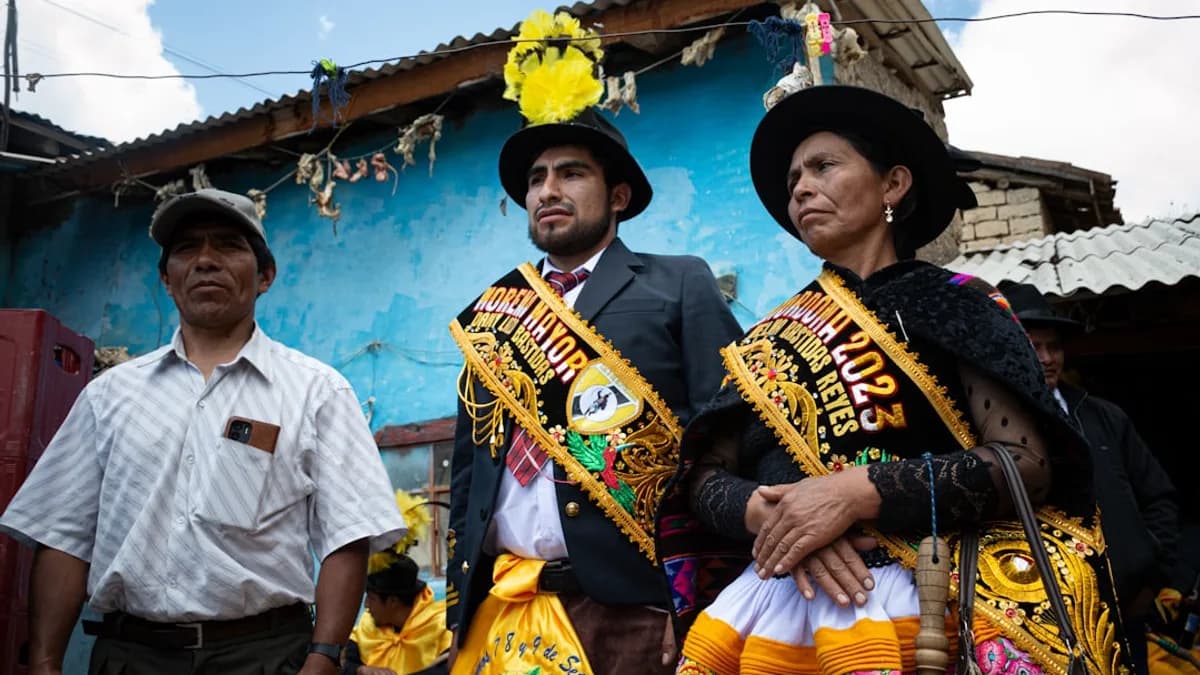
For many Peruvians, this election represents more than a routine transfer of power—it is a chance to reset the country’s political trajectory. Citizens have expressed a strong desire to break the cycle of instability and elect a leader who is both competent and untainted by scandal [Source: The Guardian]. In interviews and public forums, voters have highlighted priorities such as job creation, improved healthcare, educational reform, and genuine efforts to combat corruption.
Turnout is expected to be closely scrutinized as an indicator of public engagement and faith in the democratic process. High participation rates could signal renewed hope in political change, while widespread abstentions might reflect ongoing disillusionment. Ultimately, the final outcome will depend not only on who advances to the runoff but also on how effectively candidates can address the electorate’s concerns and articulate a credible vision for the future.
Conclusion: What Lies Ahead for Peru’s Presidency
The early exit poll results positioning Keiko Fujimori in the lead mark just the beginning of a complex and consequential election cycle [Source: Source]. With a runoff all but guaranteed, uncertainty will persist until the next round of voting clarifies who will contend for Peru’s highest office. The challenges awaiting the next president are formidable: rebuilding trust in government, fostering economic recovery, and navigating a polarized society.
Yet, for many Peruvians, this election also offers a glimmer of hope—a chance to chart a new course after years of turmoil. As the country prepares for the next phase of the electoral process, both candidates and citizens alike are confronted with the difficult task of forging a more stable and inclusive political future. Whether this election marks a turning point for Peru’s democracy will depend on the choices made in the weeks ahead and the resilience of its democratic institutions.