

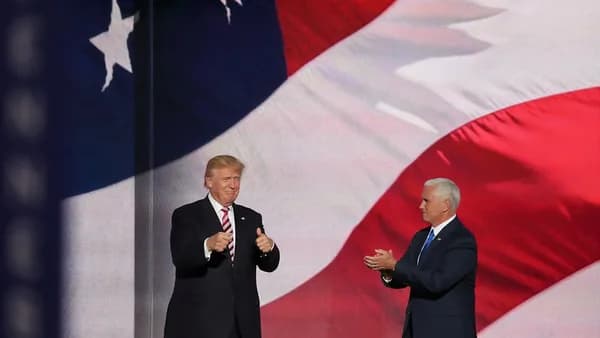


Introduction: Trump Signals Potential End to Iran Conflict
Former President Donald Trump has signaled a possible turning point in the ongoing conflict between the United States and Iran, stating that the "Iran war should end soon" and suggesting both sides may meet as early as this weekend to advance peace efforts [Source: Source]. These remarks come amid heightened diplomatic activity and international calls for de-escalation, with regional actors, including Pakistan, urging renewed dialogue. The Iran conflict has long been a source of tension in the Middle East, drawing global attention due to its implications for security, energy markets, and international alliances. With Trump’s latest statements raising hopes for a lasting ceasefire, observers are watching closely to see if meaningful progress can be achieved in the coming days.
Trump’s Statements on the Iran War and Ceasefire Prospects
In a series of public comments, Trump described the Iran war as "close to over" and expressed optimism that an end could be reached "soon" [Source: Source]. He emphasized the importance of compromise between both parties, stating that “more compromises” are necessary for a durable resolution. Trump’s remarks reflect a shift toward diplomacy, contrasting with previous periods of heightened confrontation.
Crucially, Trump indicated that a second round of talks between US and Iranian representatives might take place this weekend, following earlier discussions aimed at reducing hostilities. “We’re looking at another round of talks, possibly this weekend, and I think both sides want to see this end,” he said, highlighting the willingness of both parties to engage in dialogue [Source: Source]. While the specifics of these negotiations remain unclear, Trump’s confidence in a “lasting US-Iran ceasefire deal possible soon” has spurred renewed interest among diplomats and analysts.
The former president also stressed that the path to peace requires flexibility, noting that neither side can achieve all its objectives without concessions. This pragmatic approach suggests the talks will focus on finding common ground, addressing core grievances, and establishing mechanisms to prevent future escalations. As Trump pushes for a negotiated settlement, expectations are rising for tangible progress in the near term.
Diplomatic Developments and Peace Talks
The prospect of a new meeting between US and Iranian officials marks a significant development in the long-running conflict. According to reports, both sides are preparing for discussions that could occur this weekend, with the goal of building on previous ceasefire initiatives [Source: Source]. The involvement of Pakistan as a mediator has also been highlighted, with Islamabad reportedly encouraging both Washington and Tehran to pursue dialogue and reduce regional tensions.
Pakistan’s role in facilitating talks is notable given its longstanding relationships with both the US and Iran. Islamabad has historically positioned itself as a bridge between conflicting parties in the region, leveraging its diplomatic influence to encourage compromise. This latest effort underscores the broader international desire for stability in the Middle East, where ongoing hostilities have threatened security and economic interests.
Previous negotiations between the US and Iran have faced significant challenges, including disagreements over nuclear policy, sanctions, and military actions. Attempts at establishing a lasting ceasefire have faltered amid mutual distrust and shifting political dynamics. However, recent statements from both sides suggest a new willingness to engage, potentially driven by changing regional circumstances and domestic pressures.
Observers point to the potential for a broader regional peace process, with other Gulf states expressing support for de-escalation. The upcoming meeting—if it proceeds as planned—could serve as a catalyst for further negotiations, addressing not only bilateral issues but also wider concerns affecting the Middle East. The historical context of US-Iran relations adds complexity, but the current momentum offers cautious hope for a breakthrough.
International Reactions and Implications
Trump’s announcement has elicited a range of reactions from international stakeholders. European leaders, who have long advocated for diplomacy in the Iran conflict, welcomed the prospect of renewed talks and a possible ceasefire. “Any step toward peace in the region is positive,” said a spokesperson for the European Union, emphasizing the need for sustained engagement and transparency [Source: Source].
Regional powers such as Saudi Arabia and Israel are closely monitoring developments, weighing the implications for their own security and strategic interests. A US-Iran ceasefire could reshape alliances and alter the balance of power in the Middle East, potentially leading to new opportunities for cooperation—or renewed competition. The prospect of a de-escalation also has significant implications for global energy markets, which have been sensitive to disruptions caused by hostilities in the region.
For US foreign policy, a successful ceasefire would mark a major shift from previous approaches, which often relied on economic pressure and military deterrence. Diplomats and analysts note that a negotiated settlement could open the door to broader engagement, including discussions on nuclear issues and regional stability. At the same time, skepticism remains regarding the durability of any agreement, given the history of mistrust and the complexity of unresolved disputes.
The international community is urging both sides to seize the opportunity for peace, warning that failure to reach an agreement could lead to renewed violence and instability. As talks approach, the focus will be on the ability of negotiators to address fundamental concerns and build a framework for lasting cooperation.
Conclusion: Outlook for the Iran Conflict and Next Steps
Trump’s recent statements and the reported prospect of talks between the US and Iran have injected cautious optimism into the long-running conflict. While significant challenges remain, the willingness of both sides to engage—and the involvement of regional mediators like Pakistan—suggests a real opportunity for progress [Source: Source]. In the coming days, attention will be focused on whether the planned meeting occurs and what outcomes are achieved.
The potential for a lasting ceasefire and broader peace agreement carries profound significance for the Middle East and international relations. If successful, these efforts could help stabilize the region, reduce the risk of military escalation, and pave the way for future cooperation. As the world watches, the next steps in this diplomatic process will be critical in determining whether optimism translates into tangible results, marking a new chapter in US-Iran relations and regional geopolitics.