
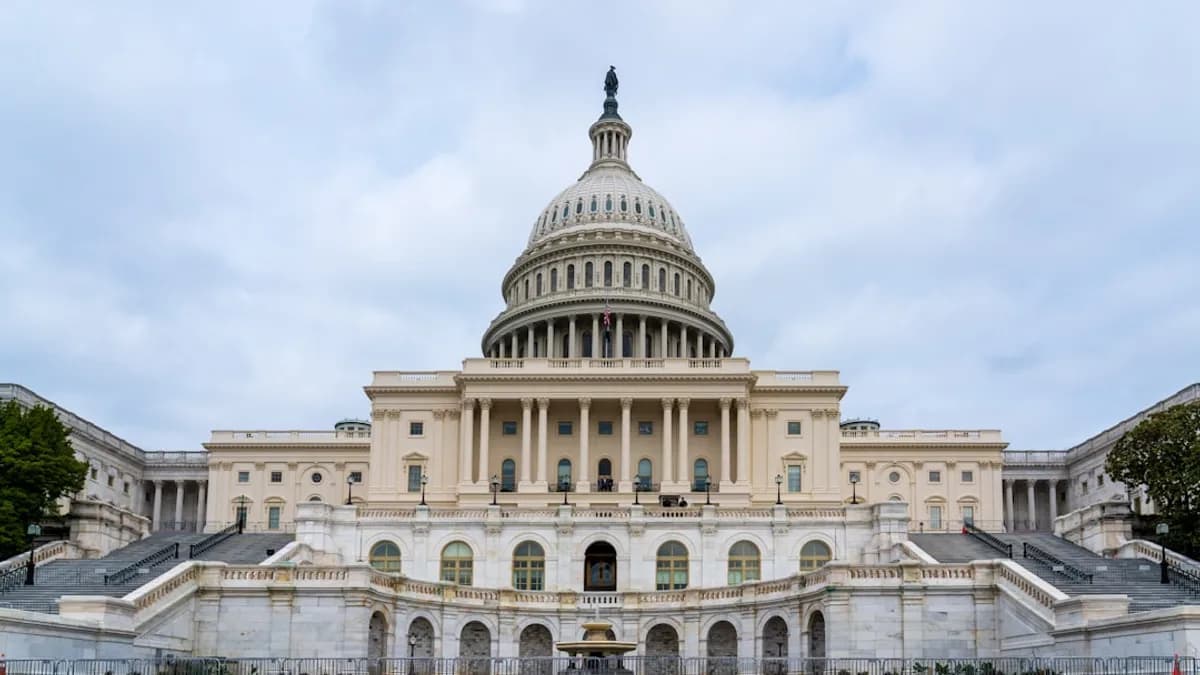
Introduction: The High-Stakes Battle Over FISA Renewal
The latest chapter in the ongoing saga over renewing the Foreign Intelligence Surveillance Act (FISA) unfolded in Washington with a late-night vote, where House lawmakers opted for a short-term extension of key surveillance powers until April 30. This move came after GOP hard-liners mounted a revolt that effectively sank the Republican leadership’s plan for a longer renewal, underscoring the fierce debate over government surveillance and civil liberties [Source: Source]. The stakes are high: FISA authorities underpin the U.S. government’s ability to monitor foreign threats, but they also raise profound questions about privacy, domestic spying, and the balance between security and individual rights. As Congress punts the issue down the road, the renewal debate has become a microcosm of broader tensions in American politics—where national security, party unity, and civil liberties collide.
The GOP Hard-Liners’ Revolt: Motivations and Implications
At the heart of the House drama are Republican hard-liners who have threatened to tank the FISA vote, driven by deep-seated concerns over government overreach. Their skepticism centers on Section 702, which allows warrantless surveillance of foreign targets but has, in practice, swept up the communications of Americans as well. Recent revelations of FBI missteps and improper searches have fueled this mistrust, prompting calls for stricter reforms and oversight [Source: Source].
This revolt is more than ideological; it’s a calculated political strategy. By withholding their support, these conservatives are exerting leverage over House Speaker Mike Johnson and the GOP leadership, demanding concessions that would curb the government’s surveillance appetite. The move has exposed rifts within the Republican Party, as moderates and national security hawks argue that failing to renew FISA risks undermining intelligence operations vital to counterterrorism and cyber threats. The hard-liners, however, maintain that unchecked surveillance is a greater danger, insisting that any renewal must be paired with robust privacy safeguards.
The implications are significant. This internal GOP strife complicates the legislative process, making it harder to pass a consensus bill and potentially leaving the country exposed if key authorities lapse. It also signals to the broader electorate that the party is grappling with fundamental questions about the scope of government power—questions that resonate beyond the FISA debate, touching on issues from digital privacy to the limits of executive authority. As the GOP hard-liners dig in, they force both parties to confront the uncomfortable reality that national security and civil liberties are often in tension, and that the easy path of rubber-stamping surveillance powers is no longer politically tenable.
Democratic Leadership’s Tepid Response: A Missed Opportunity?
If GOP hard-liners are making noise, Democratic leaders have been conspicuously quiet. Reports suggest that Democrats are not actively rallying their caucus against the extension of domestic spying powers, choosing a passive approach as the FISA renewal drama unfolds [Source: Source]. This tepid response stands in stark contrast to earlier moments, when progressive voices pushed for sweeping reforms to surveillance laws.
The Democrats’ passivity carries real implications for the civil liberties debate. By failing to mount a coordinated opposition, party leaders risk ceding the moral high ground on privacy and government accountability. This could alienate core constituencies—especially younger voters, civil libertarians, and those wary of state overreach—who expect Democrats to champion privacy rights. Moreover, the lack of a strong stance muddles the public perception of the party’s priorities, reinforcing the notion that, when it comes to surveillance, Democrats are content to defer to national security imperatives rather than push for meaningful reform.
In a political landscape where both parties routinely accuse each other of undermining democracy, the Democrats’ unwillingness to challenge the status quo on FISA is a missed opportunity. It suggests that, despite rhetorical commitments to civil liberties, the party is reluctant to engage in a substantive debate about how far government surveillance should go—and what limits are necessary to protect individual freedoms.
The Short-Term Extension: A Temporary Fix with Long-Term Risks
The House’s decision to extend surveillance powers for just two weeks is a classic example of political maneuvering that sidesteps the underlying issues. By pushing the deadline to April 30, lawmakers have bought themselves time, but they have also postponed the hard work of reconciling competing demands for security and privacy [Source: Source]. Ongoing surveillance programs remain in place, but the uncertainty surrounding their future creates operational challenges for intelligence agencies and raises anxiety among civil liberties advocates.
Short-term extensions are rarely solutions; they are stopgaps that reflect a lack of consensus. This approach allows Congress to avoid the political fallout of a lapse in surveillance authorities, but it also perpetuates ambiguity and instability. Intelligence officials warn that repeated extensions undermine planning and may embolden adversaries who sense weakness in U.S. oversight. Meanwhile, privacy advocates argue that delaying comprehensive reform only prolongs the risk of unchecked government intrusion into Americans’ communications.
The risks are clear: By kicking the can down the road, Congress is gambling with both national security and individual rights. The failure to enact lasting reforms leaves unresolved questions about how surveillance data is collected, stored, and used, and whether current safeguards are sufficient to prevent abuse. Without a full debate and a robust overhaul, the public remains in the dark about the true scope of government spying—and the safeguards, or lack thereof, designed to protect against overreach.
Balancing National Security and Civil Liberties: The Core Dilemma
The FISA renewal debate is a vivid illustration of the enduring dilemma at the heart of American governance: How can we protect the nation without sacrificing the rights and freedoms that define it? On one side, proponents of robust surveillance argue that tools like Section 702 are indispensable for tracking foreign adversaries, thwarting terrorist plots, and responding to emerging threats in cyberspace. They contend that any lapse in these authorities would jeopardize national security and expose Americans to greater risks [Source: Source].
On the other side, critics warn that the expansion of surveillance powers—especially when applied to U.S. citizens—poses a grave threat to privacy and constitutional protections. The history of FISA is replete with examples of overreach, from the NSA’s bulk data collection to FBI misuses that swept up innocent Americans in the hunt for foreign spies. These incidents underscore the need for transparency, accountability, and meaningful checks on executive power.
The current debate reflects broader challenges in surveillance policy. Technology evolves rapidly, outpacing the laws designed to regulate it. The proliferation of digital communications and cloud-based data means that surveillance is not just about phone calls or emails—it’s about the entire digital footprint of individuals. As lawmakers wrestle with FISA renewal, they must grapple with questions about how to ensure oversight, limit scope, and protect privacy in an era where surveillance is both ubiquitous and invisible.
What’s needed is legislation that strikes a balance: preserving the tools necessary to defend the country while imposing real safeguards against abuse. This requires bipartisan cooperation, rigorous oversight, and a commitment to transparency. It also demands public engagement, as Americans have a right to know how their data is used and to demand accountability from their elected officials.
Conclusion: Moving Beyond Partisan Posturing to Meaningful Reform
The drama over FISA renewal is more than a procedural battle—it is a test of Congress’s ability to address complex issues with urgency and responsibility. As GOP hard-liners threaten to derail the vote and Democratic leaders hesitate to challenge the status quo, the risk is that political brinkmanship will undermine both national security and civil liberties [Source: Source]. The two-week extension is not a solution; it is a call to action.
Moving forward, lawmakers must resist the temptation to punt difficult decisions and instead engage in a substantive, bipartisan debate about the future of surveillance powers. The public should demand transparency, accountability, and lasting reforms that protect both the country and the individual. Only by moving beyond partisan posturing can Congress deliver legislation that meets the moment—and upholds the values at the heart of American democracy.