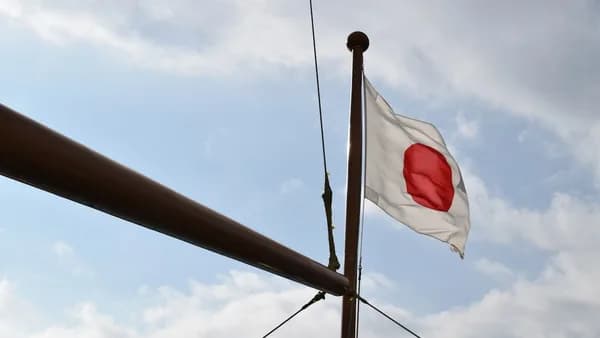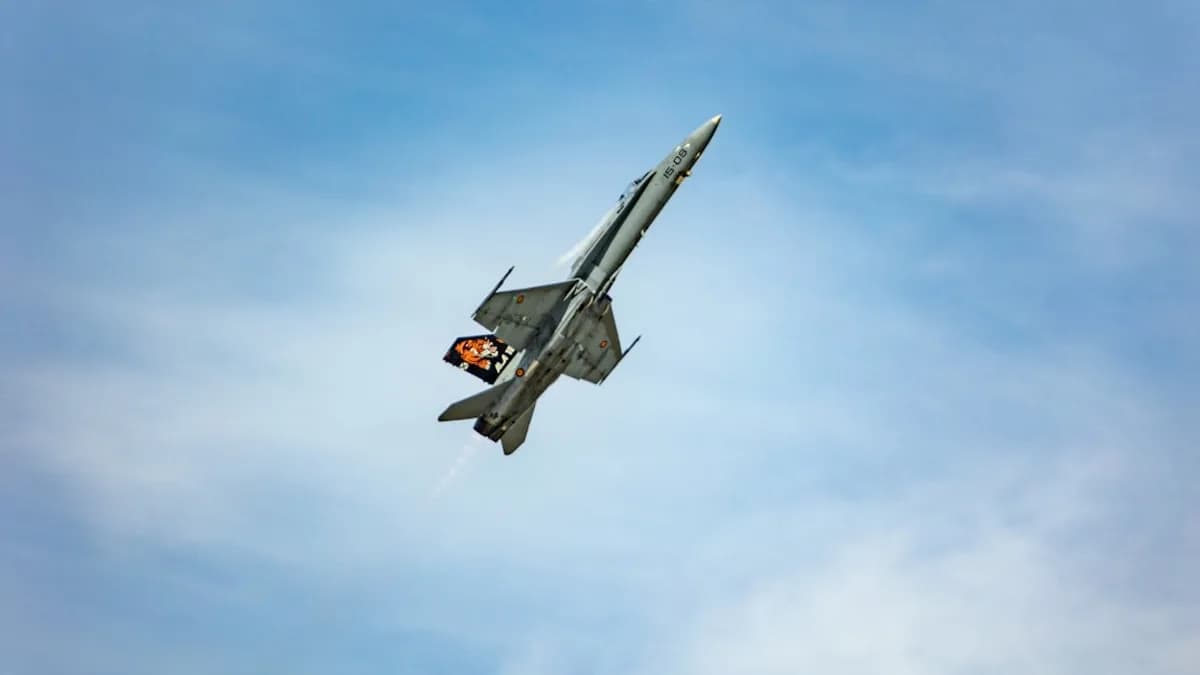
Introduction to Japan’s Historic Shift in Defence Export Policy
Few nations have been as defined by pacifism as postwar Japan. For nearly eight decades, its constitution and policy framework drew a hard line against exporting lethal weapons, rooted in the trauma of World War II and a national commitment to peace. That era has come to a close. In a move reverberating across global defence and diplomatic circles, the Japanese government has approved a sweeping overhaul of its defence export rules, opening up the country’s advanced arms industry to the world. This historic shift marks not only a pragmatic response to security threats but also a profound redefinition of Japan’s place in the international order. The decision, which scraps longstanding restrictions and allows for the export of lethal military equipment, signals a dramatic recalibration of Japan’s defence strategy, with implications that reach far beyond its borders [Source: Source].
Details of Japan’s New Defence Export Regulations and Policy Changes
Japan’s new export regime dismantles the core elements of its self-imposed ban on selling lethal weapons abroad. Previously, Japanese manufacturers could only export strictly non-lethal equipment, tightly regulated under the “Three Principles” on arms exports, which severely restricted arms trade to promote international peace. The latest reforms, however, authorize the sale of finished weaponry—such as fighter jets, missiles, and warships—to nations with which Japan shares security ties or mutual interests [Source: Source].
Legal revisions led by the National Security Council and approved by the cabinet have established a new approval process. Now, defence exports are vetted on a case-by-case basis, with oversight from the Ministry of Economy, Trade and Industry (METI) and the Ministry of Defense. Eligible exports include not only finished weapons systems but also advanced military technologies, components, and joint-development projects, such as the next-generation fighter jet program with the UK and Italy. The new framework still places limits: for example, exports to countries engaged in active conflict or those under UN arms embargoes remain prohibited. However, the scope for Japanese firms has broadened dramatically—allowing them to meet international demand for high-tech, reliable weaponry.
Implications for Japan’s Role in the Global Arms Market
Japan’s defence industry, renowned for its precision technology and engineering, now stands poised to become a significant player in the global arms market. This policy shift enables companies such as Mitsubishi Heavy Industries and Kawasaki Heavy Industries to market their products to allies and partners, potentially unlocking billions in new contracts [Source: Source].
Japan is expected to target markets in Southeast Asia, Europe, and the Indo-Pacific—regions where security cooperation with Tokyo is already deepening. The move helps Japan compete with established exporters like the United States, South Korea, and European nations, narrowing a gap that has long limited its defence sector’s growth. Analysts anticipate substantial economic benefits: increased scale could lower unit costs, spur innovation, and reinforce Japan’s domestic industrial base. Moreover, defence exports often act as diplomatic tools, strengthening ties with recipient countries and building strategic interdependence. For Japanese firms, this is not just a commercial opportunity but a chance to shape global security architecture with their cutting-edge technology.
Strategic and Geopolitical Context Behind Japan’s Policy Overhaul
Japan’s decision to relax its arms export restrictions is inseparable from a shifting regional security environment. Rising tensions with China, particularly over territorial disputes in the East China Sea, and North Korea’s expanding missile and nuclear programs have sharply increased Japan’s sense of vulnerability. At the same time, Russia’s war in Ukraine has shattered assumptions about the post-Cold War order, prompting many countries to rethink defence policies and alliances [Source: Source].
By opening its arms market, Japan seeks to reinforce its own security while buttressing that of its allies. The new export rules dovetail with Tokyo’s broader efforts to build a more “proactive” security posture, as outlined in its recent National Security Strategy revision. The ability to export weapons to friendly countries, such as the Philippines or India, increases Japan’s value as a security partner and enables it to contribute more directly to regional deterrence.
This policy pivot also strengthens the U.S.-Japan alliance—Washington has long encouraged Tokyo to assume a more robust defence role. Japan’s willingness to share technology and weaponry with like-minded states is likely to be welcomed by the United States and other partners seeking to counterbalance China’s growing military influence in the Indo-Pacific.
However, the move is not risk-free. It may provoke diplomatic friction with China and North Korea, both of which view Japanese remilitarization with deep suspicion. The challenge for Tokyo will be to balance its new assertiveness with reassurances that it remains committed to peace and regional stability.
Domestic Reactions and Debates Over Lifting the Arms Export Ban
Within Japan, the end of its pacifist export restrictions has sparked passionate debate. Public opinion is divided: surveys suggest that many Japanese remain wary of moves that appear to erode the country’s postwar identity as a peaceful nation. Pacifist groups, religious organizations, and some opposition parties have condemned the decision, warning that it could entangle Japan in foreign conflicts and undermine its moral authority [Source: Source].
Critics argue that exporting arms, even to allies, risks contributing to global instability and arms races. They also point to Japan’s constitutional commitment to pacifism—specifically Article 9, which renounces war as a sovereign right—as a moral and legal bulwark against expanding military roles.
Nevertheless, government officials and defence industry stakeholders have defended the reforms as necessary for national security and economic vitality. They contend that the new rules are tightly controlled, transparent, and aligned with international standards. For many in Japan’s business community, the changes are overdue, offering a lifeline to the domestic defence sector and expanding opportunities for high-value exports.
Comparative Analysis: Japan’s Defence Export Policy in a Global Context
Japan’s entry into the global arms market brings its policy closer to those of other major exporters, though important differences remain. The United States, Russia, France, and the United Kingdom have long leveraged defence exports as tools of both economic and strategic power, often tying sales to broader security agreements. South Korea, for instance, has rapidly scaled up arms exports in recent years, using government support and a flexible regulatory approach to break into new markets.
Japan’s new framework is more conservative than some: it maintains restrictions on sales to conflict zones and countries under UN sanctions, and retains an approval process that allows for political oversight. This places it in line with European Union norms, which also emphasize end-use monitoring and human rights considerations.
However, Japan’s policy shift could have ripple effects on global arms control and non-proliferation efforts. Its reputation for high standards and transparency may raise the bar for responsible exporting, but critics worry that increased competition could undermine multilateral efforts to limit the proliferation of advanced weaponry. How Japan navigates its new role—balancing commercial interests with ethical and diplomatic responsibilities—will be closely watched by industry and policymakers worldwide.
Conclusion: Future Outlook for Japan’s Defence Exports and Regional Security
Japan’s historic embrace of arms exports is more than a commercial gambit—it is a strategic gamble that could reshape its defence industry, alliances, and diplomatic profile for decades to come. The move unlocks significant economic and industrial opportunities, positioning Japan as a source of advanced weaponry at a time of global uncertainty [Source: Source]. Yet, it also brings heightened scrutiny, both at home and abroad, and new responsibilities as a security stakeholder.
Looking ahead, the challenge will be to realize the benefits of this policy shift without sparking unintended consequences, such as regional arms races or domestic backlash. Japan’s success will hinge on maintaining rigorous controls, strengthening alliances, and communicating its intentions transparently to neighbors and citizens alike. As Tokyo steps onto the world stage as an arms exporter, the world will be watching—not just to see what Japan sells, but to gauge what kind of power it intends to be.