Introduction: Understanding the Strategic Importance of the Strait of Hormuz
The Strait of Hormuz is one of the world’s most critical maritime chokepoints. Connecting the Persian Gulf with the Gulf of Oman and the Arabian Sea, it serves as the passageway for nearly one-fifth of global oil and a significant portion of liquefied natural gas exports. Any disruption in this narrow, 21-mile-wide strait can reverberate across energy markets worldwide, affecting prices and supply chains.
Recent months have seen escalating tensions in the region, as Iran’s Revolutionary Guards have ramped up their naval activities and threatened foreign vessels traversing the strait. Reports indicate attacks on ships and a declared closure of the passage by Iranian forces, raising fears of a potential blockade and its global impact [Source: Source]. This article aims to unpack the concept of Iran’s so-called ‘mosquito fleet’—a formidable force in these waters—and analyze its implications for maritime security, international trade, and geopolitical stability.
What is Iran’s 'Mosquito Fleet'?
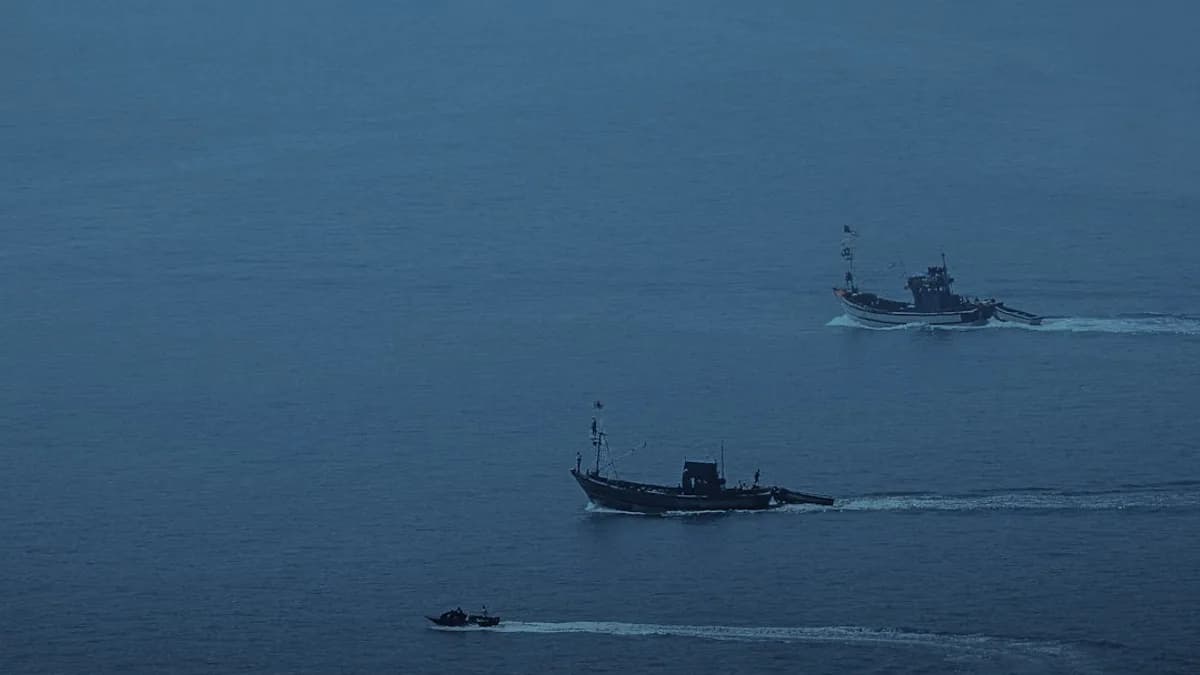
Iran’s ‘mosquito fleet’ refers to a collection of small, fast, and highly maneuverable boats operated by the Islamic Revolutionary Guard Corps (IRGC) Navy. Unlike conventional warships, these vessels are designed for asymmetric warfare, relying on speed, agility, and numbers rather than heavy firepower or armor.
The fleet’s backbone consists of high-speed attack boats—such as the British-designed Boghammar, locally modified and produced—alongside rigid-hull inflatable boats, jet skis, and even armed unmanned surface vessels. Many are equipped with machine guns, rockets, anti-ship missiles, and occasionally carry suicide drones. This diverse mix allows the IRGC to deploy swarm tactics, overwhelming larger ships with waves of agile attackers [Source: Source].
The ‘mosquito fleet’ is a product of Iran’s strategic response to its limitations in conventional naval strength. Since the Iran-Iraq war of the 1980s, Iran has invested in small boat operations, developing a doctrine centered on harassing, ambushing, and threatening more advanced naval adversaries. Over time, the IRGC has refined its capabilities, incorporating new technologies like drones and expanding its fleet to hundreds of vessels. This evolution reflects Iran’s determination to maintain a credible deterrent in the face of superior Western navies operating in the Gulf.
The Role of the 'Mosquito Fleet' in the Strait of Hormuz
The Strait of Hormuz’s unique geography—a narrow channel, congested with commercial shipping and bordered by Iran—makes it ideal for the tactics employed by the ‘mosquito fleet’. These boats can operate close to shore, exploiting shallow waters and coastal terrain to avoid detection and strike rapidly.
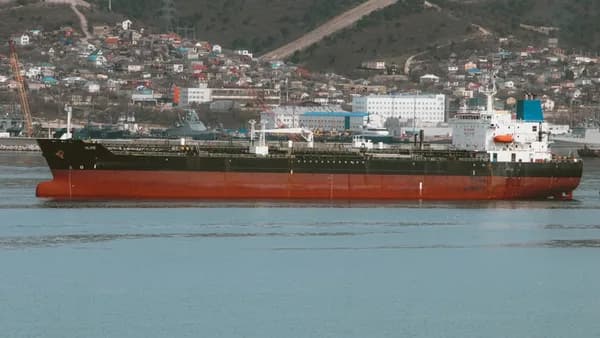
Iran uses the fleet to assert its control over the strait, frequently shadowing, harassing, or even attacking commercial and military vessels. Recent incidents include fast boats approaching oil tankers, firing warning shots, and attempting boardings under the guise of enforcement or inspection [Source: Source]. The IRGC’s actions are calculated to project power, intimidate international shipping, and signal Tehran’s ability to disrupt maritime traffic at will.
In April 2024, Iranian forces declared the Strait of Hormuz closed, warning that any ship approaching the area would be considered a target [Source: Source]. This move coincided with attacks on several vessels, further escalating tensions and prompting international outcry. The closure—though not universally recognized—had immediate implications, with insurers raising rates and shipping companies rerouting traffic. The IRGC’s use of its ‘mosquito fleet’ in these incidents underscores the effectiveness and unpredictability of asymmetric naval warfare.
Beyond direct confrontation, the fleet is adept at psychological operations. Their mere presence, swarming around large tankers and warships, creates uncertainty and compels foreign navies to expend resources on surveillance and defense. The IRGC’s tactics have forced the US Navy and its allies to adapt, deploying additional patrols, drones, and specialized vessels to counter small boat threats. The ongoing standoff highlights the strategic leverage Iran gains from its unconventional naval assets.
Why the 'Mosquito Fleet' is a Serious Threat
The ‘mosquito fleet’ poses a significant danger to global oil supply and maritime security. By targeting tanker traffic, Iran can disrupt the flow of energy resources from the Gulf, driving up prices and threatening economic stability worldwide. Even a temporary blockade or attack can have outsized effects, given the volume of oil passing through the Strait of Hormuz daily [Source: Source].
Conventional naval forces are challenged by the swarm tactics of the IRGC boats. Large warships are ill-suited to engage dozens of small, fast-moving targets at close range. The risk of escalation is high: a single miscalculation or unintentional confrontation could spark a broader conflict in a region already fraught with tensions.
The fleet’s threat extends beyond military considerations. It affects insurance rates, shipping routes, and the willingness of companies to operate in the Gulf. Energy markets react swiftly to instability, with price spikes reflecting fears of supply disruption. Diplomatic relations are strained, as countries reliant on Gulf oil must balance their security concerns with the need to maintain open channels for trade.
In sum, Iran’s ‘mosquito fleet’ is not merely a local irritant—it is a strategic asset capable of influencing global energy flows and geopolitical dynamics.
International Responses and Strategic Implications
Regional and global powers have responded decisively to the threat posed by Iran’s ‘mosquito fleet’. The United States, which maintains a significant naval presence in the Gulf, has conducted joint patrols with Gulf allies, deployed advanced surveillance assets, and adapted its tactics to counter swarming attacks [Source: Source]. The US Navy invests in littoral combat ships, drones, and new defensive systems to mitigate risks from small boats.
Gulf states, including Saudi Arabia and the United Arab Emirates, have increased their own maritime security efforts, forming coalitions and sharing intelligence. International organizations have called for freedom of navigation and emphasized the need to protect commercial shipping.
Diplomatic strategies focus on deterring Iran from closing the strait while avoiding escalation. Negotiations, sanctions, and back-channel talks are ongoing, aiming to reduce tensions and ensure maritime stability. Military options, meanwhile, remain on the table, with contingency plans for rapid intervention in case of a crisis.
The broader implications are profound. The standoff in the Strait of Hormuz shapes the security landscape of the Middle East, influencing alliances, defense spending, and foreign policy. It underscores the importance of unconventional warfare and the need for adaptable strategies in an era of asymmetric threats.
Conclusion: Navigating the Future of the Strait of Hormuz
Iran’s ‘mosquito fleet’ presents a persistent and potent challenge in one of the world’s most sensitive maritime corridors. Its ability to disrupt shipping, threaten global energy supplies, and outmaneuver conventional navies underscores the need for continued vigilance and international cooperation.
The evolving dynamics in the Strait of Hormuz demand a balanced approach—combining deterrence, diplomacy, and innovation. Regional and global actors must work together to safeguard the flow of commerce while minimizing the risk of conflict. As Iran refines its tactics and expands its fleet, the task of ensuring maritime security will require both resolve and adaptability.
Ultimately, the stability of the Strait of Hormuz hinges on effective coordination, clear communication, and a shared commitment to keeping this vital waterway open. The world is watching, and the stakes could not be higher.