Introduction: Bulgaria's Political Landscape and the Upcoming Election
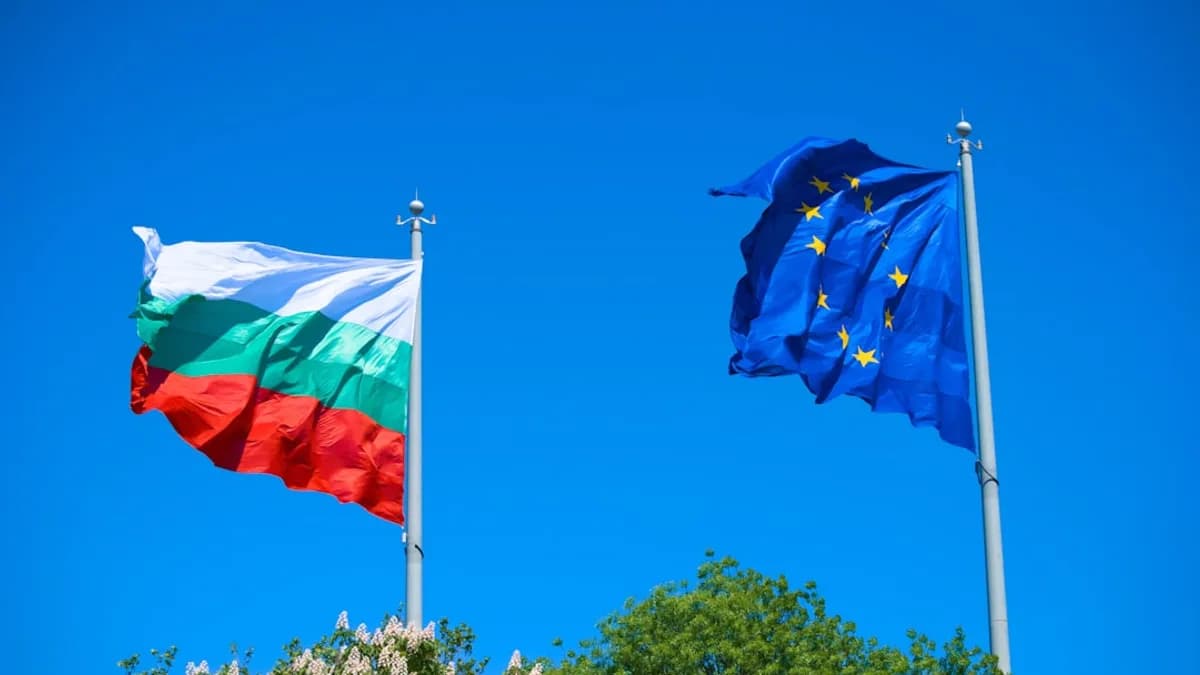
Bulgaria, a country on the eastern edge of the European Union, is once again at the crossroads of political uncertainty. On Sunday, Bulgarians are heading to the polls for the eighth time in just five years, hoping to finally break a cycle of parliamentary deadlock that has left the nation without stable governance [Source: Source]. The stakes are high: the election could determine whether Bulgaria moves closer to the West or leans further toward Russia—a question underscored by the popularity of former president Rumen Radev, a pro-Russian figure now leading the polls. As the country grapples with economic challenges, corruption, and the ongoing war in Ukraine, this election is being watched closely not only by Bulgarians but also by European and global leaders seeking to understand the future direction of this strategically important Balkan nation.
Background: Bulgaria’s Political Instability and Frequent Elections
Bulgaria's current political turbulence is rooted in years of fragmented parliaments and short-lived coalition governments. Since 2021, no single party or alliance has managed to secure a stable majority, leading to repeated snap elections and caretaker administrations [Source: Source]. This instability stems from deep divisions within Bulgarian society, where issues such as corruption, economic stagnation, and foreign policy alignments have polarized voters and parties alike.
Attempts to form broad-based coalitions have repeatedly failed, with ideological differences and personal rivalries hampering negotiations. The result has been a cycle of gridlock in which pressing legislative and reform agendas are left unaddressed. Each new election has been greeted with hope for resolution, but so far, none has delivered the stability that Bulgarians crave. The collapse of successive governments, including those led by reformists and technocrats, has only deepened public frustration and eroded trust in the political process [Source: Source]. Against this backdrop, the upcoming election is seen as a critical juncture: can Bulgaria finally break free from this cycle, or will it slide further into political paralysis?
Profile of Rumen Radev: The Pro-Russian Former President Leading the Polls
At the center of this pivotal election is Rumen Radev, Bulgaria’s former president and a former air force commander. Radev, who first rose to national prominence as a fighter pilot and later as head of the Bulgarian Air Force, entered politics in 2016 as an independent candidate backed by the Bulgarian Socialist Party. His military background and reputation for discipline have helped him cultivate an image as a decisive and principled leader [Source: Source].
Radev’s political platform is defined by a nuanced—some say ambivalent—stance toward Bulgaria’s position between Russia and the West. While he has expressed support for Bulgaria's EU and NATO membership, Radev has also consistently advocated for a more balanced foreign policy, often criticizing Western sanctions on Russia and calling for dialogue with Moscow. His reluctance to take a strong anti-Kremlin stance, particularly in the context of the war in Ukraine, has attracted criticism from pro-Western politicians but struck a chord with a significant segment of the Bulgarian electorate [Source: Source].
Many Bulgarians, especially those who are nostalgic for the country’s Soviet-era ties or who feel alienated by the pace of Western-driven reforms, see Radev as a protector of national sovereignty and traditional values. His populist messaging, focus on anti-corruption, and critique of establishment elites have also broadened his appeal beyond just pro-Russian voters. As a result, Radev’s coalition is well-positioned to capitalize on the widespread disillusionment that has marked Bulgarian politics in recent years.
Geopolitical Implications: Bulgaria’s Election in the Context of Eastern Europe
The outcome of Bulgaria’s election has outsized significance for the balance of power in Eastern Europe. The region is already in flux following the recent defeat of Hungary’s long-serving nationalist leader Viktor Orban, which has raised questions about the future of pro-Russian influence within the EU [Source: Source]. In this context, Bulgaria is seen by some analysts as the Kremlin’s “next best bet” for maintaining a foothold in European politics [Source: Source].
If Rumen Radev and his allies secure a mandate, Bulgaria could become a more vocal advocate for easing tensions with Moscow—potentially challenging the EU’s unified front on issues like sanctions and military support for Ukraine. As a member of both the EU and NATO, Bulgaria occupies a strategically vital position on the Black Sea, bordering both Ukraine and Turkey. Any shift in Sofia’s foreign policy could thus have ripple effects across the alliance, complicating efforts to present a united response to Russian aggression.
At the same time, a pro-Russian government in Bulgaria would likely face significant pressure from Brussels and Washington, given the country’s reliance on EU funding and its commitments to joint defense initiatives. The election is therefore not just a test of domestic politics, but a litmus test for East-West relations at a time of heightened geopolitical tension.
What Voters Are Deciding: Key Issues and Stakes in the Election
For ordinary Bulgarians, the election is about more than geopolitical positioning—it is a referendum on the country’s future direction after years of deadlock and dysfunction. Economic concerns top the list, with inflation and stagnating wages fueling public anxiety. Corruption remains a persistent problem, with many voters skeptical of promises from mainstream parties to deliver meaningful reform [Source: Source].
Governance is another key issue, as repeated election cycles and caretaker governments have left many public services underfunded and policy initiatives on hold. For some, the prospect of a strong, decisive government—regardless of its foreign policy leanings—is more important than any particular ideological stance.
Foreign policy, however, is increasingly front and center. Bulgaria’s relations with Russia, the EU, and NATO have become flashpoints in the national debate, particularly in the wake of the Ukraine war. Some voters are wary of deeper entanglement in Western alliances, while others fear the consequences of drifting away from Europe. In this context, the public’s desire for stability and effective governance is likely to play a decisive role in determining the outcome [Source: Source].
Conclusion: What to Expect After the Election and Its Broader Significance
Whatever the result, Bulgaria’s election is unlikely to produce an immediate end to the country’s political turmoil. If no clear majority emerges, coalition negotiations could again prove contentious, raising the specter of yet another round of elections. However, a decisive result for Rumen Radev and his allies could finally bring some measure of stability—albeit with potential shifts in Bulgaria’s foreign policy orientation [Source: Source].
The broader stakes are clear. Bulgaria’s path will influence not only its own future, but also the dynamics of EU unity and the West’s response to Russian assertiveness in the region. As international observers watch closely, the outcome of Bulgaria’s latest vote will send important signals about the direction of democracy and geopolitics in southeastern Europe.