Introduction: The Strategic Importance of the Strait of Hormuz
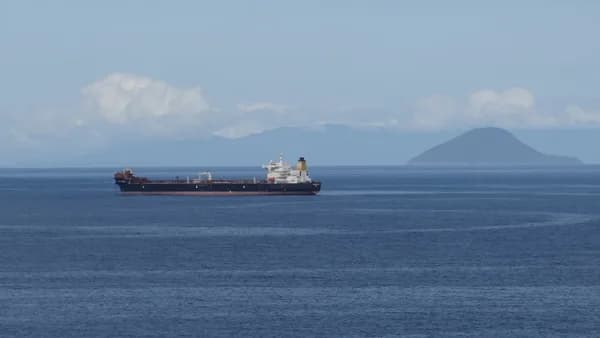
The Strait of Hormuz stands as one of the world’s most vital maritime chokepoints. Located between the Persian Gulf and the Gulf of Oman, this narrow waterway is responsible for the transit of roughly one-fifth of global oil shipments, making it a linchpin in international energy security and economic stability. In recent days, Iran’s shifting policies regarding access to the Strait have generated significant volatility and concern among governments, markets, and maritime operators. The sudden reversals—first announcing the Strait would be opened, then rapidly closing it again—have underscored the fragile balance in the region and heightened uncertainty about future developments. This roundup examines the unfolding events, the underlying political shifts in Tehran, global reactions, and the potential paths forward as tensions rise around the Strait of Hormuz.
Timeline of Events: 24 Hours of Rapid Policy Reversals
The past 24 hours have witnessed a remarkable sequence of developments around the Strait of Hormuz. Initially, Iranian authorities signaled a willingness to open the waterway, potentially easing longstanding tensions and restoring confidence among international shipping and oil markets [Source: Source]. This announcement was met with cautious optimism by industry observers and governments reliant on Persian Gulf energy exports.
However, within hours, Iran reversed course, declaring the Strait closed to foreign vessels. The Iranian Revolutionary Guards Navy—an influential military force in the country—issued stark warnings, stating they would “destroy” any ships attempting to cross the Strait in defiance of Iranian orders [Source: Source]. This escalation was not merely rhetorical; reports soon emerged of two commercial ships being attacked as they attempted to transit the waterway, further intensifying fears of direct confrontation and disruption to global supply chains [Source: Source].
These rapid policy shifts have left international observers scrambling for clarity, as conflicting signals from Tehran raise the specter of unpredictable maritime risks. The Revolutionary Guards’ explicit threats and the reported attacks suggest a willingness to enforce Iran’s closure with force, marking a significant departure from previous periods of tension, where posturing often stopped short of direct military action.
Political Context: Hardliners Ascend in Tehran
The abrupt changes in Iran’s approach to the Strait of Hormuz are closely linked to an internal political shift: hardliners have recently taken the front seat in Tehran’s power structure [Source: Source]. This ascendancy follows months of political maneuvering, with conservative factions consolidating control over key decision-making bodies, including those overseeing national security and foreign policy.
Hardliners in Iran have historically adopted a more confrontational stance in regional disputes, prioritizing the country’s sovereignty and strategic leverage. Their control has translated into a willingness to flex military muscle, especially in areas like the Strait of Hormuz where Iran holds significant tactical advantage. This posture not only influences Iran’s dealings with neighboring Gulf states but also shapes its broader foreign policy—often resulting in heightened tensions with Western powers and increased risk of regional instability. As these factions become more entrenched, Iran’s aggressive approach to maritime security is likely to persist, complicating diplomatic efforts to de-escalate the crisis.
International Reactions and Geopolitical Implications
Iran’s actions in the Strait of Hormuz have prompted swift and serious reactions from the international community. The United States, the United Kingdom, and other global powers have condemned the threats and attacks, calling for respect of international maritime law and urging Iran to reopen the waterway [Source: Source]. Neighboring countries, particularly those reliant on the Strait for oil exports, have expressed deep concern over the potential for escalation and the risk to regional shipping security.
The closure and reported attacks have immediate implications for global oil markets, with prices surging in response to supply uncertainties. Shipping companies are reassessing routes and security protocols, while insurers warn of increased risks and costs for vessels operating in the region. There are broader geopolitical ramifications as well; Iran’s willingness to use the Strait as a bargaining chip could embolden hardliners elsewhere and trigger countermeasures, including the possible deployment of naval forces by Western nations to guarantee freedom of navigation.
At the heart of these reactions is the fear that continued instability could spiral into a larger conflict, threatening not only economic interests but also the safety of civilian crews and the integrity of international maritime commerce. The situation has reignited debates about the effectiveness of current diplomatic frameworks and the need for coordinated international action to prevent escalation [Source: Source].
Ceasefire Expiration and Future Outlook
Complicating matters further is the imminent expiration of a regional ceasefire, which has served as a fragile buffer against broader conflict. As the deadline approaches, the uncertainty surrounding the Strait’s status—open or closed—adds another layer of risk to the already volatile environment [Source: Source]. Should hostilities resume, the Strait of Hormuz could become both a flashpoint and a casualty of renewed fighting, with implications stretching far beyond the immediate region.
Looking ahead, several scenarios are possible. Iran may continue its aggressive enforcement of the Strait’s closure, risking further attacks and international retaliation. Alternatively, diplomatic efforts—likely led by major maritime powers and regional stakeholders—could succeed in persuading Tehran to moderate its stance. The outcome will hinge on the political calculus of Iran’s hardliners, the resolve of the international community, and the ability of negotiators to craft a durable solution that balances security concerns with the imperative of keeping global trade flowing.
Conclusion: Navigating Uncertainty in the Strait of Hormuz
The rapid developments around the Strait of Hormuz highlight the precarious intersection of regional politics, global economics, and maritime security. Iran’s policy reversals and aggressive actions reflect the growing influence of hardliners in Tehran and signal a willingness to challenge international norms. As the ceasefire nears expiration and the risk of conflict rises, the world is reminded of the Strait’s critical importance—and the need for vigilance and engagement.
Monitoring Iran’s evolving stance will be essential for governments, markets, and maritime operators alike. Continued international dialogue and coordinated action are crucial to prevent escalation and ensure the safe passage of vessels through one of the world’s most important waterways. The coming days will test the resilience of diplomatic channels and the capacity of the global community to navigate the uncertainties posed by Iran’s shifting policies [Source: Source].