Introduction: Embedding with IDF Forces in South Lebanon
Against the backdrop of mounting tensions along the Israeli-Lebanese border, a ynet reporter recently embedded with Israeli Defense Forces (IDF) units operating in southern Lebanon. This rare frontline access comes at a critical juncture: although a ceasefire is officially in place, the region remains highly volatile, with sporadic exchanges and ongoing security concerns. The reporter’s experience offers a firsthand look into the realities of military operations and the IDF’s evolving strategic posture in an area where the threat from Hezbollah and other armed groups persists [Source: Source].
The IDF’s presence in southern Lebanon is significant both militarily and politically. After months of conflict, Israel has intensified its operations, focusing on securing a buffer zone and enforcing new lines of control. These activities, including the publication of detailed maps and the establishment of defensive positions, underscore the complexity of the current ceasefire and the challenges in maintaining stability. The embedded reporting sheds light on how Israeli forces are navigating this fraught landscape and the implications for broader regional security.
IDF’s Operational Stance: Viewing Threats as Terrorism
One of the most striking observations from the embedded ynet reporter is the IDF’s uncompromising operational stance: “Every threatening figure here is a terrorist.” This perspective reflects the prevailing mindset among Israeli troops stationed in southern Lebanon, where the distinction between civilians and combatants is often blurred by the realities of asymmetric warfare [Source: Source]. Soldiers are tasked with identifying and neutralizing perceived threats, which raises critical questions about rules of engagement and the potential for misidentification.
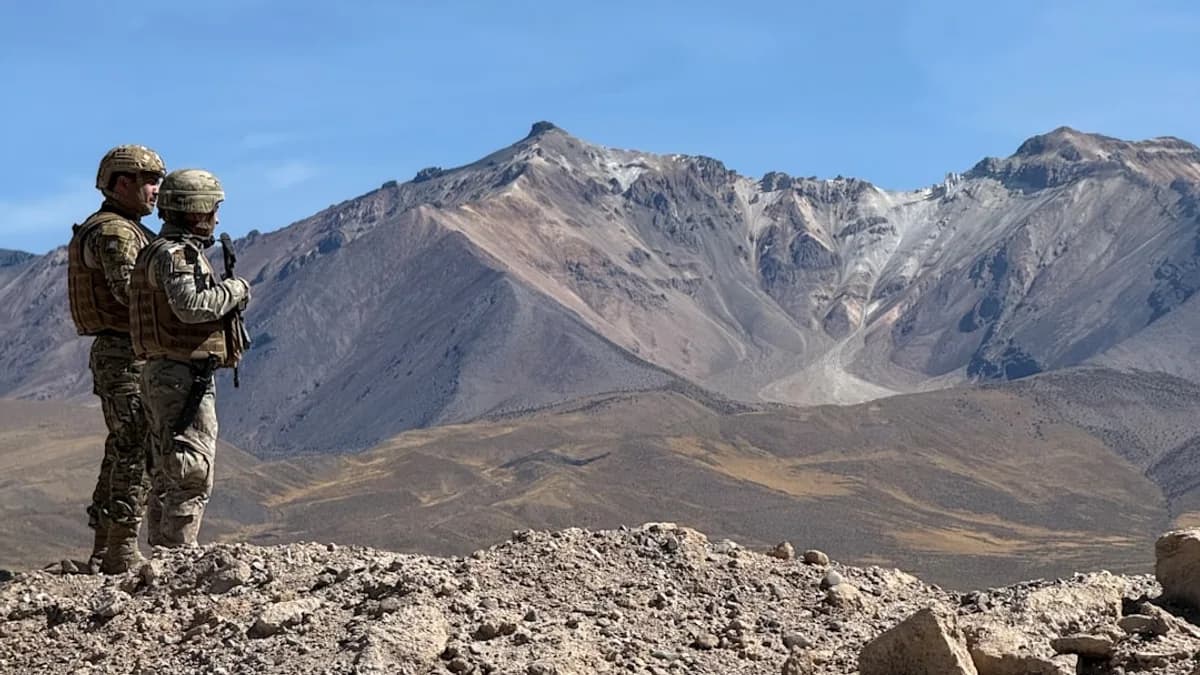
The IDF’s definition of a “threatening figure” is shaped by intelligence assessments and prior experience with Hezbollah’s tactics. In practice, this means any individual spotted near military positions or behaving suspiciously may be treated as a potential hostile. The embedded reporter describes IDF patrols moving through destroyed and abandoned villages, scanning for signs of movement and maintaining a high level of alertness. Commanders emphasize the need for swift, decisive action, citing the risk of surprise attacks or ambushes.
This approach has significant implications for both military effectiveness and civilian safety. While it aims to protect troops and prevent infiltration, it can also heighten tensions with local communities and increase the likelihood of collateral damage. The embedded report highlights the psychological toll on soldiers, who operate under constant threat and must make rapid judgments in a fluid, unpredictable environment. The IDF’s operational doctrine is shaped by a determination to prevent Hezbollah from reestablishing positions close to the border, but it also underscores the ethical dilemmas inherent in conflict zones where civilian and militant identities are intertwined.
Mapping Control: The IDF’s Forward Defense Line and the ‘Yellow Line’
In a move that signals a new phase of its operations, the IDF has published a map detailing the areas of southern Lebanon currently under Israeli control. This map marks the so-called “forward defense line,” a strategic buffer designed to prevent Hezbollah infiltration and protect northern Israeli communities [Source: Source]. The delineation of this line is reminiscent of similar tactics employed in Gaza, where Israel established a “yellow line” to demarcate zones of military presence and restrict access.
The “yellow line” concept serves both military and political purposes. Militarily, it provides a clear boundary for Israeli patrols and surveillance, enabling the IDF to monitor movement and respond quickly to perceived threats. Politically, it signals Israel’s intent to maintain a proactive posture, even during periods of ceasefire. The map’s publication is a message to Hezbollah and other regional actors: Israel is prepared to defend its interests and will not hesitate to enforce its control over disputed territories.
Strategically, these demarcations are designed to limit Hezbollah’s ability to operate close to the border and to create a buffer that reduces the risk of rocket attacks or cross-border raids. The embedded reporter notes that the IDF’s positions are fortified with trenches, observation posts, and rapid response units. The defensive line is not static; it is subject to adjustment based on evolving intelligence and operational needs. This flexibility allows the IDF to adapt to changing circumstances, but it also underscores the uncertainty and fluidity of the situation on the ground.
The establishment of the “yellow line” in Lebanon parallels Israel’s approach in Gaza, where similar measures have been used to control access and deter militant activity. However, the Lebanese context presents unique challenges, including rugged terrain, dense vegetation, and the presence of civilian populations. The IDF’s map is part of a broader strategy to assert control and mitigate risk, but it also raises questions about the long-term viability of such demarcations and their impact on local communities.
Military Actions Amid Ceasefire: Village Demolitions and Comparisons to Gaza
Despite the formal ceasefire, reports indicate that the IDF has razed several villages in southern Lebanon as part of its ongoing security operations [Source: Source]. These actions are reminiscent of tactics employed in Gaza, where the destruction of civilian infrastructure has been used to disrupt militant networks and create buffer zones. The embedded reporter witnessed bulldozers leveling abandoned homes and clearing areas deemed strategically sensitive.
Local sources describe the demolitions as extensive, with some villages reduced to rubble and residents displaced. The IDF justifies these actions as necessary to eliminate cover for Hezbollah operatives and to prevent the reestablishment of firing positions near the border. Commanders argue that the destruction of uninhabited or partially abandoned structures is a preemptive measure, intended to safeguard Israeli troops and civilians.
However, the comparison to Gaza has sparked controversy and concern. Human rights organizations and Lebanese authorities have criticized the demolitions, citing potential violations of international law and the risk of exacerbating humanitarian crises. The embedded report highlights the tension between military necessity and civilian impact: while the IDF seeks to deny Hezbollah operational freedom, the consequences for local populations are severe. Displacement, loss of property, and community disruption are recurring themes.
The actions during the ceasefire raise questions about the durability of peace agreements and the willingness of both sides to adhere to negotiated terms. The embedded perspective provides insight into the operational logic driving these decisions, but it also underscores the broader challenges of balancing security and humanitarian considerations. The destruction of villages may achieve short-term tactical goals, but it risks fueling resentment and undermining efforts to achieve long-term stability.
Regional and International Reactions
The IDF’s activities in southern Lebanon have elicited strong reactions from Lebanese authorities and local communities. Lebanese officials accuse Israel of violating the ceasefire and encroaching on sovereign territory, calling for international intervention and heightened diplomatic pressure [Source: Source]. Local residents, many of whom have been displaced or lost property, express anger and fear over the ongoing military operations. The demolitions and the establishment of the “yellow line” are seen as provocative acts that threaten to destabilize the region further.
Internationally, the response has been mixed. Some governments and organizations have urged restraint, emphasizing the importance of upholding the ceasefire and protecting civilian populations. Others acknowledge Israel’s security concerns but warn against actions that could escalate tensions or undermine future peace negotiations. The publication of the IDF map and reports of village demolitions have drawn scrutiny from global media and human rights groups, who call for transparency and accountability in military operations.
The potential impact on future peace talks is significant. The visible shift in Israeli strategy, marked by the establishment of new defensive lines and the destruction of infrastructure, may complicate negotiations and harden positions on both sides. Regional stability remains fragile, with the risk of renewed conflict looming over diplomatic efforts. The embedded reporting underscores the need for continued dialogue and international engagement to address the underlying causes of the conflict and promote sustainable solutions.
Conclusion: The Complex Dynamics of Security and Conflict in South Lebanon
The embedded ynet report from southern Lebanon illustrates the complex interplay of security, military strategy, and civilian impact in a region marked by persistent instability. The IDF’s current posture—viewing every threatening figure as a terrorist and enforcing new lines of control—reflects a determination to safeguard Israeli interests but also raises critical ethical and humanitarian questions [Source: Source].
Maintaining the ceasefire amid ongoing operations, demolitions, and shifting boundaries is a formidable challenge. The situation on the ground is fluid, with both sides wary of escalation and local communities bearing the brunt of military activity. As Israel and Lebanon grapple with the realities of asymmetric conflict and disputed territory, the outlook remains uncertain. Continued reporting from the front lines is essential to understanding the evolving dynamics and informing efforts to achieve lasting peace and security in the region.