Introduction: The Strategic Importance of the Strait of Hormuz
The Strait of Hormuz, a narrow waterway nestled between Iran and Oman, is one of the world’s most vital maritime chokepoints. Roughly a third of all global oil shipments and a significant portion of liquefied natural gas transit through its 34-kilometer-wide passage, making it indispensable for energy security and international trade [Source: Source]. This strategic corridor links the oil-rich Gulf states with international markets, amplifying its geopolitical importance. In recent days, mounting tensions and a series of alarming incidents have thrust the Strait into the global spotlight. Reports of attacks, gunfire, and new restrictions imposed by Iran have triggered widespread concern about the stability of this crucial shipping lane and the ripple effects on global supply chains.
Recent Incidents: A Breakdown of the Latest Escalations
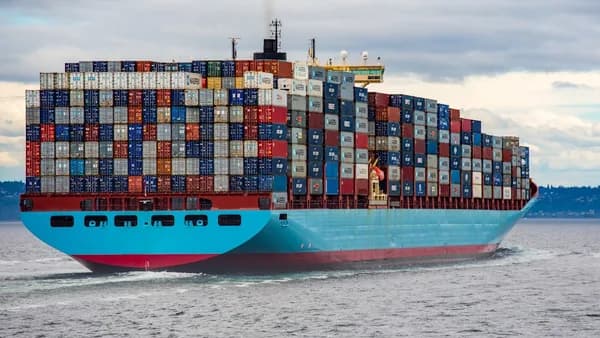
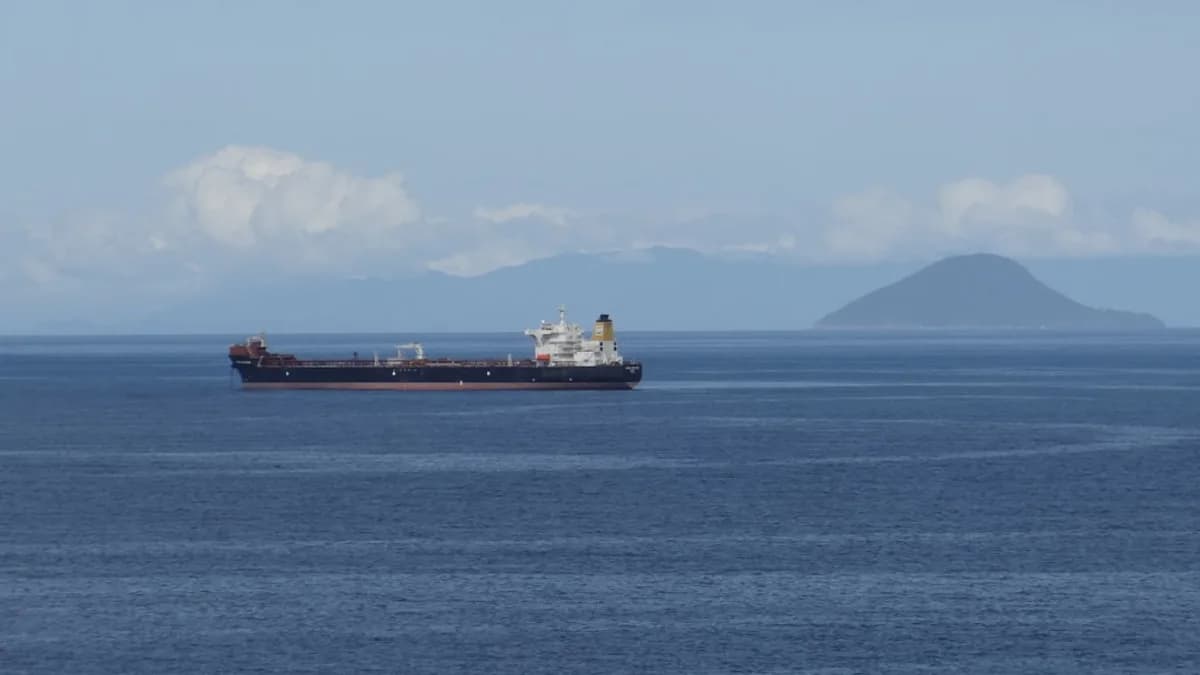
The past weekend saw the Strait of Hormuz embroiled in chaos, with maritime traffic grinding to a halt amid escalating tensions. Iranian forces reportedly fired upon commercial vessels navigating the strait, leading to swift and unpredictable reactions from the ships involved. Some vessels engaged in sudden U-turns, while others reported threats and warnings from Iranian patrol boats [Source: Source]. These incidents were not isolated; they formed part of a broader pattern of Tehran imposing fresh restrictions on passage through the strait, effectively tightening its grip on this critical transit route.
Particularly concerning was the attack on two Indian-flagged ships, which prompted an immediate response from New Delhi. India publicly voiced its “deep concerns” over the safety of its vessels and called for international action to safeguard freedom of navigation [Source: Source]. The attacks have drawn condemnation from several quarters, including the United States and Gulf states, all of whom rely heavily on secure passage through Hormuz. The New York Times described Iran’s actions as a declaration of “strict control” over the strait, underscoring the seriousness of the situation [Source: Source].
These developments have not only disrupted shipping schedules but have also heightened risks for crews and cargoes transiting the region. The threat of gunfire and detention has forced many operators to reconsider their routes or delay voyages, exacerbating bottlenecks and uncertainty in global logistics.
Geopolitical Implications of the Shipping Halt
The abrupt halt in shipping traffic through the Strait of Hormuz is reverberating across global trade and energy markets. The strait’s closure—or even the perception of heightened risk—can significantly impact crude oil prices, given that about 20% of the world’s daily oil consumption passes through its waters [Source: Source]. Already, traders and analysts are warning of potential supply disruptions, with price volatility expected to intensify if tensions persist.
For regional economies, particularly the Gulf states, uninterrupted access to Hormuz is essential for exporting oil and maintaining fiscal stability. Any prolonged disruption could strain budgets, destabilize currency markets, and undermine investor confidence. At the same time, Western powers—most notably the United States and European Union—have reiterated their commitment to safeguarding freedom of navigation, hinting at possible diplomatic or military responses if the situation worsens.
India’s strong reaction to attacks on its vessels reflects broader anxieties among major energy consumers. With substantial imports of Gulf oil, India’s economy is deeply intertwined with the security of Hormuz. The Indian government has called for international coordination to ensure safe passage, underscoring the global nature of the crisis [Source: Source]. Meanwhile, Gulf states such as Saudi Arabia and the United Arab Emirates are exploring contingency plans, including rerouting shipments or ramping up land-based pipelines, to mitigate risks.
Beyond oil, the halt in shipping traffic is affecting other sectors, from containerized goods to LNG exports. Insurance premiums for vessels transiting the strait are rising, and shipping companies are reassessing their risk exposure. The disruption serves as a stark reminder of the fragility of global supply chains and the outsized influence of geopolitical flashpoints on everyday commerce.
Iran’s Strategic Motivations and Regional Power Dynamics
Iran’s decision to assert strict control over the Strait of Hormuz is rooted in a complex web of strategic motivations. For Tehran, the strait represents both a lever and a shield—an instrument to project power, deter adversaries, and extract concessions in broader regional conflicts. By firing on ships and imposing new restrictions, Iran signals its willingness to escalate and challenge the status quo, particularly in the face of mounting pressure from the United States and its allies [Source: Source].
The timing of these actions coincides with ongoing diplomatic tensions, including disputes over nuclear negotiations, sanctions, and regional security arrangements. Iran’s gambit in Hormuz is part of a broader effort to assert its influence in the Gulf and counter what it perceives as US encirclement. This strategy is not new; Iran has periodically threatened to close or disrupt the strait in response to political or economic provocations.
Moreover, Iran’s actions reflect the shifting dynamics of Middle East geopolitics. Tehran is keen to demonstrate its ability to shape outcomes in the Gulf, challenge rival powers, and galvanize domestic support. By targeting international vessels—including those from India—it underscores the global stakes of the crisis and invites international mediation, which may provide leverage in future negotiations.
The broader context includes ongoing proxy conflicts, regional rivalries, and the delicate balance of power between Iran, Saudi Arabia, and other Gulf states. Tehran’s assertive posture in Hormuz is consistent with its long-standing policy of using strategic chokepoints to influence regional and international affairs. The risk for Iran, however, is that overplaying its hand could provoke a unified response from major powers or trigger unintended escalation.
Potential Scenarios and Future Outlook
The unfolding standoff in the Strait of Hormuz presents a range of possible outcomes, each with its own risks and opportunities. In the short term, maritime traffic is likely to remain disrupted, with ship operators exercising caution and governments seeking to de-escalate tensions. If diplomatic efforts succeed, passage could resume with enhanced security measures and renewed commitments to freedom of navigation [Source: Source].
Alternatively, further escalation remains a distinct possibility. Continued attacks or detentions could prompt a military buildup in the region, increase the risk of direct confrontation, and further destabilize global energy markets. The involvement of major stakeholders—India, Gulf states, and Western powers—raises the stakes and the likelihood of coordinated responses, possibly including naval escorts or sanctions.
Long-term, the crisis may accelerate efforts to diversify energy transit routes and reduce dependence on Hormuz. Gulf states could invest in alternative pipelines, while shipping companies may adopt new risk mitigation strategies. The standoff also highlights gaps in international maritime law, particularly regarding the rights and responsibilities of coastal states in strategic chokepoints.
The outcome will hinge on Iran’s willingness to engage in dialogue and the effectiveness of international diplomacy. The risk of miscalculation or accidental escalation remains high, underscoring the need for robust communication channels and crisis management mechanisms.
Conclusion: Navigating Uncertainty in a Vital Maritime Corridor
The Strait of Hormuz stands at the crossroads of global energy security, trade, and geopolitics. Recent tensions have exposed the fragility of this vital corridor and the far-reaching consequences of regional conflict. As shipping traffic grinds to a halt and risks escalate, the need for a coordinated international response has never been greater. Major stakeholders must prioritize diplomatic engagement, uphold freedom of navigation, and work together to prevent further disruption. Navigating uncertainty in Hormuz will require vigilance, flexibility, and a shared commitment to stability—both for the region and for the world at large.