Why Iran’s Suspension of Nuclear Talks Marks a Critical Turning Point in Global Diplomacy
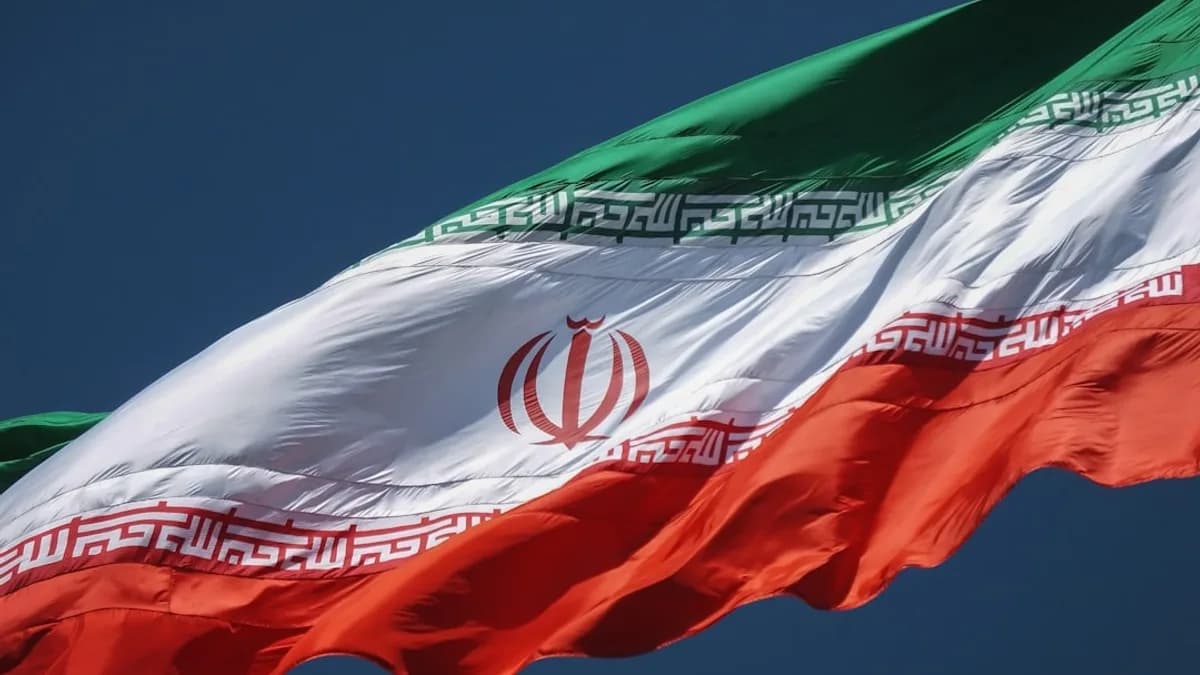
Iran has pulled the plug on nuclear negotiations with the US, virtually erasing hopes for a deal by the May 31 deadline and jolting global diplomacy off course. This isn’t just another diplomatic hiccup—Tehran’s move sends a message: it’s willing to gamble with regional stability and international security to pursue its strategic interests. The timing couldn’t be worse. The Middle East stands on a knife edge, with ongoing Israel-Gaza hostilities and tit-for-tat attacks involving Hezbollah and the Houthis. Every day without dialogue risks edging the region closer to a major conflict.
This diplomatic freeze, reported by CryptoBriefing, comes after months of slow progress and mounting distrust. Tehran has ramped up uranium enrichment, with the IAEA estimating Iran could produce enough fissile material for a nuclear weapon within weeks if it chose to. The stakes are no longer theoretical. The collapse of talks signals to other regional actors—Saudi Arabia, Turkey, Israel—that the rules are changing, and nuclear brinkmanship is back on the table.
If diplomats can’t break the impasse, we’re not just looking at a failed agreement. We’re staring down the possibility of a new nuclear arms race in the world’s most volatile corridor. The need for urgent, creative diplomacy has never been clearer.
How the Breakdown in US-Iran Nuclear Talks Threatens Middle East Security and Global Energy Markets
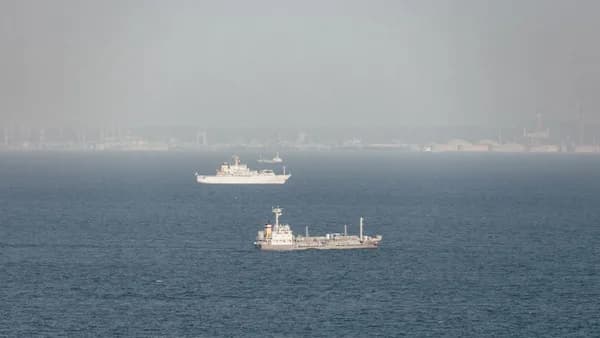
The collapse of negotiations isn’t just a diplomatic black eye—it’s a live threat to Middle East security and the world’s energy supply. Iran’s suspension raises the risk of escalation across multiple flashpoints. In recent months, Iranian-backed groups have stepped up attacks on US bases in Iraq and Syria, while the Houthis have disrupted Red Sea shipping, pushing insurance rates for tankers to record highs. Every breakdown in talks emboldens these proxies and signals to Tehran’s hardliners that confrontation pays.
Oil markets don’t wait for formal declarations. Brent crude prices surged past $90 per barrel in April after the last bout of Middle East tension, and a prolonged diplomatic freeze could easily push them higher. Iran sits on 10% of the world’s proven oil reserves, and its ability to threaten the Strait of Hormuz—a chokepoint for one-fifth of global oil shipments—gives it outsized leverage. The 2019 attacks on Saudi Aramco’s Abqaiq facility, which temporarily knocked out 5% of global oil supply, proved how quickly regional instability can go global.
International stakeholders aren’t insulated. European economies, already battered by Russia’s war in Ukraine, can’t afford another energy shock. China, now Iran’s largest oil customer, faces its own dilemma: balancing stable energy flows with growing pressure to support global nonproliferation norms. The US, meanwhile, risks further alienating Gulf allies, who may see Washington’s inability to restrain Iran as reason to hedge with Moscow or Beijing.
The longer the talks remain frozen, the greater the temptation for unilateral military action—by Israel or even the US itself. History suggests that such moves breed chaos, not security. Just ask anyone who remembers the aftermath of the 2003 Iraq invasion.
The Role of Diplomatic Strategy and International Pressure in Reviving Stalled Iran Nuclear Negotiations
Diplomatic engagement with Iran has always been a high-wire act. The Obama-era JCPOA succeeded not because of trust, but because it offered tangible economic relief in exchange for verifiable restrictions. The Trump administration’s “maximum pressure” campaign—marked by unilateral sanctions and the 2018 JCPOA withdrawal—destroyed what fragile trust existed, pushing Iran to ramp up enrichment from 3.67% to as high as 60% and expel international inspectors.
Recent efforts to restart talks have foundered on both sides’ unwillingness to blink first. Washington wants Iran to roll back its nuclear advances before sanctions relief; Tehran wants guarantees the US won’t walk away again after the next election. Neither side has shown flexibility on these core demands. International actors like the EU and Russia have acted as mediators, but their influence is waning as the stakes rise.
Sanctions remain the West’s bluntest tool, but their effectiveness is eroding. Iran’s oil exports hit a 5-year high in 2023, largely thanks to clandestine shipments to China. The rial has weakened, but Iran’s leadership has shown it can survive economic pain. The more isolated Iran feels, the likelier it is to double down on its nuclear ambitions as a deterrent.
Breaking the stalemate will require more than recycled talking points. Creative options—such as staged, reciprocal steps, third-party guarantees, or regional security dialogues—should be back on the table. Incentivizing compliance without demanding political surrender is the only realistic way forward. The alternative is a negotiation in name only, with both sides locked in a cycle of threats and counter-threats.
Addressing the Argument That Iran’s Nuclear Ambitions Justify a Hardline Approach
Some argue that Iran’s repeated violations and opaque ambitions demand a hardline response—escalating sanctions, covert action, or even military strikes to halt its nuclear program. The logic is seductive: show strength, force compliance, and deter others from following Tehran’s path.
But history undercuts the case for maximum pressure. Sanctions alone rarely force regime change or capitulation—in Iran, they’ve bred defiance and strengthened the hand of hardliners. Military action, far from destroying nuclear know-how, tends to entrench it. Israel’s 1981 strike on Iraq’s Osirak reactor didn’t end Saddam’s ambitions; it just drove them underground.
Escalation risks a regional war that would dwarf the costs of even a flawed deal. Iran has shown it can retaliate—directly or through proxies—in ways that disrupt global commerce and security. The most effective brakes on Iran’s program have always come from incentives tied to verifiable steps, not ultimatums or airstrikes.
Diplomacy is slow and messy, but it remains the only path with a track record of actually freezing and rolling back Iran’s nuclear advances—even if only temporarily. Hardline tactics may produce headlines, but they don’t produce sustainable security.
Why Renewed Engagement and Multilateral Cooperation Are Essential to Prevent a Nuclear Crisis
The world can’t afford diplomatic inertia. Talks must restart—with credible timelines, clear incentives, and enforceable commitments—or we risk stumbling into a crisis that neither side wants but both could trigger. Multilateral engagement is essential. Regional powers like Saudi Arabia and Turkey, as well as global stakeholders in the EU, China, and Russia, need a seat at the table to coordinate carrots and sticks.
Diplomacy’s success depends on public and political will. Political leaders and civil society must press for engagement, not escalation. The alternative is an unchecked nuclear program, a destabilized region, and a global economy one missile strike away from chaos.
The clock is running. The only way forward is back to the negotiating table—before the cost of failure becomes unthinkable.
The Stakes
- Iran's suspension of nuclear talks increases the risk of regional instability and potential conflict in the Middle East.
- The move signals a possible escalation in nuclear capabilities and could trigger a new arms race among neighboring countries.
- Disrupted negotiations threaten global energy markets, with shipping and insurance costs rising due to increased tensions.