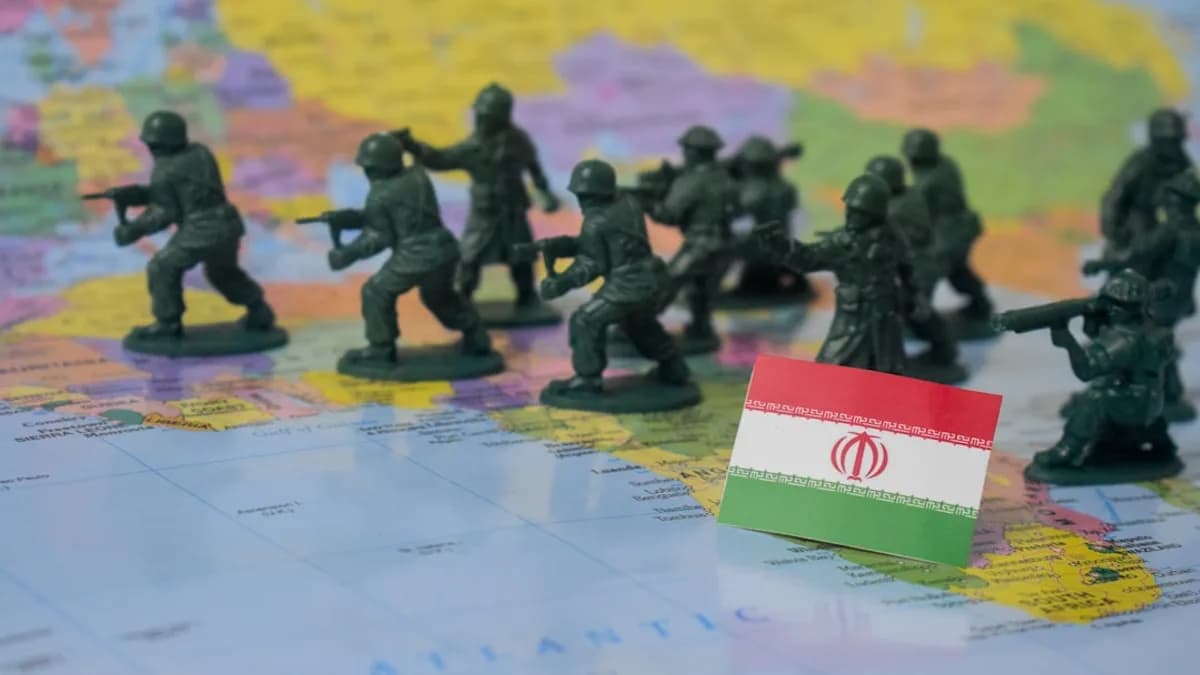
Iran’s Internet Blackout Enters Ninth Week as Military Tensions Escalate
Sixty-five days without reliable internet. That’s the new reality for millions in Iran after authorities extended the country’s sweeping digital blackout, cutting off lifelines to the outside world as US and Israeli military operations intensify across the region. The government has kept silent on the official rationale, but the timing is impossible to ignore: the crackdown coincides with a sharp uptick in cross-border threats and shadow warfare, according to CryptoBriefing.
The blackout, which began in late March, now ranks among the longest in Iran’s recent history. It hits hardest in Kurdish regions such as Sanandaj and Mahabad—hotbeds of anti-government protest—as well as urban centers like Tehran, where students and tech workers rely on VPNs and encrypted messaging apps for work and dissent. Younger Iranians, already accustomed to state censorship, now find even basic access to WhatsApp, Telegram, and Instagram throttled or blocked entirely.
Officials have offered little beyond vague statements about “national security” and “foreign interference.” The Information and Communications Technology Ministry has denied any long-term plans to sever connections, but the reality on the ground tells a different story. State-run ISPs now filter nearly 75% of foreign traffic, and even domestic services sputter during peak hours.
Blackout Deepens Iran’s Internal Volatility and Information Vacuum
Cutting the internet isn’t just about blocking outside news—it’s about controlling the narrative. The current outage, now entering its third month, has crippled communication between reformist groups, journalists, and civil society. Iranian businesses—especially in fintech and e-commerce—report revenue drops of up to 60% since late March, as digital payments fail and logistics grind to a halt. For a country grappling with 40% inflation and a battered rial, the blackout is more than a nuisance; it’s economic self-sabotage.
Public frustration simmers under the surface. In the past, shorter blackouts—like the weeklong shutdown during the 2019 fuel protests—sparked mass demonstrations and left at least 300 dead, according to Amnesty International. This time, the government’s clampdown appears even more preemptive, targeting regions with histories of unrest before protests can metastasize. WhatsApp channels that once organized flash mobs now lie dormant, and VPN usage—once a cat-and-mouse game—has become all but impossible as authorities deploy deep packet inspection to detect and block circumvention tools.
The blackout’s length and intensity are raising questions about the regime’s grip on power. Analysts point to a playbook borrowed from Russia and China: escalate digital censorship as geopolitical pressure mounts, then dial back once the threat subsides. But Iran’s infrastructure is less advanced, and its population younger and more digitally fluent. Every day the blackout drags on, the government risks alienating a generation that has already shown it will take to the streets when pushed too far.
Internationally, watchdogs like Access Now and the UN Human Rights Council have condemned the blackout as collective punishment. But meaningful pressure remains limited, as Iran’s leadership appears willing to absorb the diplomatic costs for the sake of regime survival.
Scenarios Ahead: Internet Restoration, Retrenchment, or Escalation
The days ahead will test how far Iran’s leadership is willing to go. If the blackout extends into Eid al-Adha later this month—a peak period for family communication and business—the risk of backlash increases. Restoration is possible if the government senses that economic pain outweighs security gains, or as a tactical move to ease diplomatic tensions with Europe and neighboring states.
But the calculus could shift if US or Israeli operations inside Syria or Iraq intensify. Iranian hawks often frame connectivity as a national security risk, especially after cyberattacks like Stuxnet and the more recent “Predatory Sparrow” campaign exposed vulnerabilities in critical infrastructure. In that scenario, the blackout could become the new normal—at least in regions flagged as disloyal or strategically sensitive.
International tech firms will be watching for signals from the Iranian government, such as sudden whitelisting of select platforms, or calls for foreign investment in domestic data centers. Sanctions complicate any large-scale restoration, but black market VPNs and satellite internet remain wildcards. Starlink and similar services are not officially available, but anecdotal reports suggest some Iranians are experimenting with smuggled hardware.
Key indicators to watch: abrupt changes in traffic from major ISPs like MCI and Rightel, spikes in VPN demand on global app stores, and any official pronouncements from the Supreme National Security Council. For now, Iran’s digital blackout is both a symptom and a catalyst of escalating regional instability—a reminder that in 2024, information control is as much a weapon as missiles or drones.
Why It Matters
- The prolonged blackout disrupts daily life and business operations for millions across Iran.
- Restricted internet access curtails freedom of expression and communication, especially during heightened military tensions.
- Economic impacts are severe, with fintech and e-commerce sectors reporting up to a 60% revenue drop since the blackout began.