How Trump’s Iran Peace Proposal Could Disrupt Middle East Geopolitics
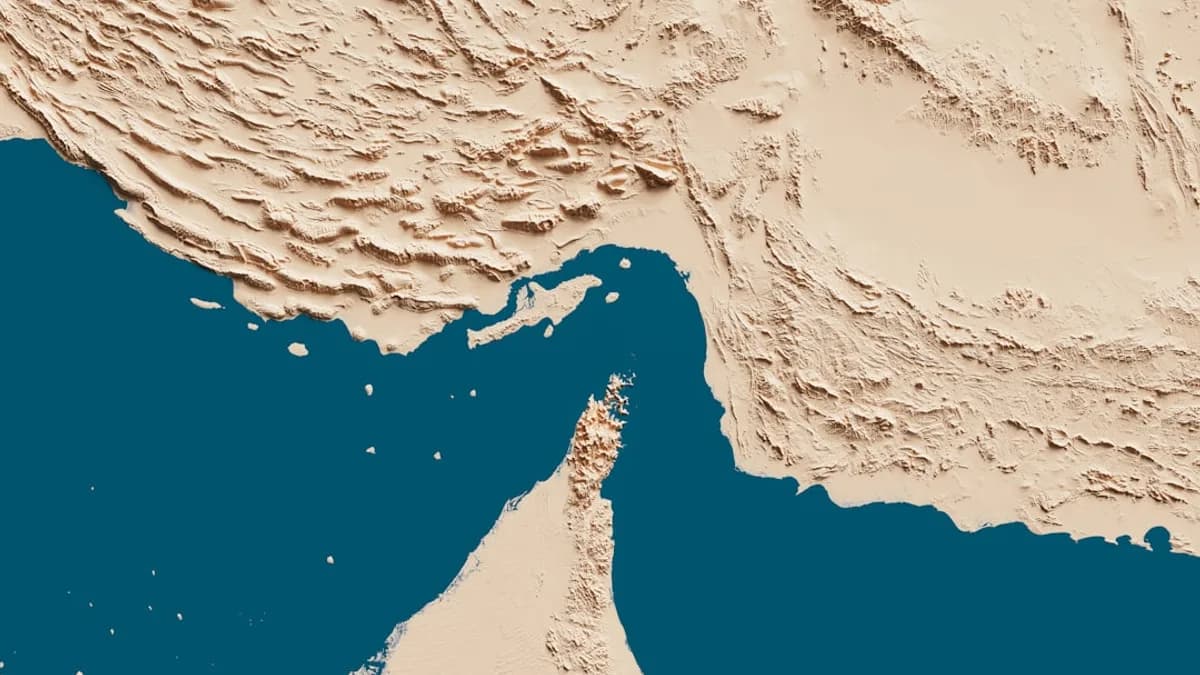
A hard freeze on commercial shipping through the Strait of Hormuz — arguably the world’s most critical oil choke point — coincided with Donald Trump’s surprise consideration of an Iranian peace overture. This isn’t just another round of saber-rattling. For once, both sides are dangling the prospect of direct dialogue while the region holds its breath. According to CryptoBriefing, Trump is weighing a proposal from Tehran that could, if handled deftly, rewrite the script for the Middle East's most volatile flashpoint.
Hormuz is more than a bottleneck; it’s a geopolitical litmus test. Every year, roughly 20% of global oil passes through its narrow channel. When traffic halts — as it did this week, with tankers rerouting or anchoring offshore — the world feels the strain instantly. The stakes run deeper than oil prices: a peace deal could shift the power balance between Iran and its Gulf rivals, especially Saudi Arabia and the UAE, who depend on Hormuz’s open lanes for both energy and strategic leverage.
Trump’s willingness to entertain Iranian terms marks a jarring departure from the maximum-pressure policy that defined his previous term. If the talks materialize, the region’s old alliances and proxy conflicts could come under review. For the first time in years, the possibility of a diplomatic reset is on the table — albeit with enormous risk. The question isn’t just whether Trump and Iran can reach an accord, but how the entire regional chessboard would respond.
Quantifying the Impact: Oil Market Volatility Amid Hormuz Traffic Suspensions
Hormuz isn’t just a regional concern — it’s the beating heart of global energy flows. On an average day, 21 million barrels of crude and refined products are shipped through its waters, representing nearly a fifth of worldwide consumption. When traffic halts, even for hours, the ripple hits futures markets, refiners, and national treasuries across three continents.
This week’s suspension sent Brent crude futures surging 5.8% in a single session, closing above $89 per barrel. West Texas Intermediate saw a parallel spike, jumping 4.9%. Shipping rates for VLCCs (very large crude carriers) in the Gulf doubled overnight, as insurance premiums ballooned and charterers scrambled for alternate routes. Traders found themselves pricing in not just supply disruption, but potential escalation — the kind that could send oil north of $100 if talks fail.
Yet, the market’s reaction to Trump’s peace overture was almost as sharp. As rumors of a diplomatic thaw spread, Brent trimmed back gains, settling near $87. The ICE futures curve flattened, signaling that traders expect any resolution — even a temporary one — to cap volatility. The CME’s oil volatility index (OVX) jumped 18% during the halt, but fell back as headlines signaled negotiations.
Peace talks could calm the waters, literally and figuratively. If Hormuz traffic resumes and a deal looks plausible, analysts project a 10-15% correction in crude prices over the next quarter. But the market’s hair-trigger sensitivity remains: a single tweet or missile could erase those gains in minutes. For energy majors, the short-term calculus is logistical — reroute cargoes, hedge exposures, and watch for signs of detente or escalation.
Diverse Stakeholder Reactions to Trump’s Iran Peace Overture
Iranian officials, accustomed to Washington’s hostility, are treating Trump’s interest as both a vindication and a risk. Foreign Minister Hossein Amir-Abdollahian framed the overture as proof that “maximum resistance” paid off, but warned that any final agreement must include sanctions relief and security guarantees. Hardliners in Tehran, meanwhile, view talks as a potential trap — a way for the U.S. to extract concessions without lifting pressure.
U.S. policymakers are split. Trump’s inner circle sees a peace deal as a legacy project, but Congressional hawks — especially in the Senate — demand ironclad limits on Iran’s nuclear ambitions and regional proxies. Secretary of State Antony Blinken, caught between the White House and Capitol Hill, has signaled cautious optimism but insists verification is non-negotiable.
Regional allies are watching closely, but few are cheering. Saudi Arabia and the UAE, who rely on Hormuz, worry that a U.S.-Iran rapprochement could embolden Tehran and weaken their position. Israel, which has built its Iran strategy around deterrence, is signaling skepticism and preparing for every scenario, from diplomatic stasis to sudden escalation.
Global energy companies are pragmatic. BP, Shell, and TotalEnergies have all issued advisories about shipping risks but also quietly lobbied for a diplomatic solution. Market analysts at Goldman Sachs and JP Morgan warn that volatility will persist until there’s clear evidence of a deal, but admit that even partial progress would be a boon for supply chains and margin forecasts.
Military circles remain divided. Some Pentagon planners see the talks as a chance to wind down costly deployments; others warn that Iran’s naval capabilities, especially its fast boats and mines, remain a wildcard. Skepticism and optimism coexist, but consensus is elusive.
Historical Lessons from Past U.S.-Iran Negotiations and Strait of Hormuz Crises
History offers a cautionary tale. The Obama-era nuclear talks led to the 2015 Joint Comprehensive Plan of Action (JCPOA), which temporarily eased tensions and opened Hormuz, but unravelled under Trump’s administration. The outcome: oil prices whipsawed, Iranian exports plunged 50%, and proxy conflicts in Syria and Yemen deepened.
Strait of Hormuz crises are nothing new. In 1984, during the Iran-Iraq War, both sides targeted tankers — the so-called “Tanker War” — and insurance rates tripled. The U.S. Navy escorted vessels, but the threat of closure sent oil prices up 30% in weeks. In 2011-2012, after new sanctions, Iran threatened to block Hormuz again. Markets panicked, but actual disruption lasted only days, proving that both sides have limits on escalation.
Patterns emerge: negotiations tend to offer short-lived relief, but lasting peace requires more than tactical deals. Each time the Strait’s traffic halts, oil spikes, military assets mobilize, and global markets brace for impact. The lesson is clear — the Hormuz flashpoint doesn’t resolve with rhetoric alone. Durable outcomes depend on sustained verification and regional buy-in.
Implications of a Peace Deal for Global Energy Security and Regional Stability
A successful U.S.-Iran accord could transform energy security overnight. Hormuz would reopen, reducing the risk premium embedded in every barrel shipped from the Gulf. For global markets, that means lower prices, steadier supply chains, and fewer disruptions to GDP growth. The IMF estimates that a 10% drop in oil prices lifts global output by 0.2%, a meaningful gain for economies struggling with inflation and slowdowns.
Regional economies would benefit most. Iran’s oil exports, currently under 1 million barrels per day due to sanctions, could rebound to 2.5 million, restoring government revenues and unlocking investment. Gulf states, while wary of Tehran’s resurgence, would enjoy reduced shipping costs and more predictable cash flows. Even Israel and Egypt, whose energy strategies depend on stability, would see upside.
The broader geopolitical shift would be profound. A deal could force Saudi Arabia and the UAE to recalibrate their security arrangements, potentially reducing arms imports and military spending. Russia, which has used Middle East instability to boost its own energy sales, would lose leverage. China, the largest buyer of Gulf oil, would welcome stability but might press for its own influence in future talks.
The flipside: If the deal collapses, expect a return to brinkmanship, with Hormuz traffic at risk and supply chains vulnerable to sabotage or sanctions. For now, the prospect of peace is enough to shift market expectations and diplomatic calculations — but only if both sides follow through.
Predicting the Future: Scenarios for U.S.-Iran Relations and Strait of Hormuz Traffic
Three scenarios stand out:
Optimistic: Trump and Iran reach a framework deal within weeks, Hormuz traffic resumes, and oil prices correct sharply. Sanctions ease, Iranian exports surge, and Gulf states pivot to diplomatic engagement. Markets stabilize, and military assets stand down. Probability: 25%, given entrenched mistrust and political complexity.
Moderate: Talks drag on, with intermittent Hormuz disruptions but no major escalation. Oil prices remain volatile, trading in the $85-95 range. Sanctions are partially lifted, but verification disputes stall progress. Gulf states hedge, increasing diplomacy but retaining military readiness. Probability: 50% — this is the default if neither side capitulates nor escalates.
Pessimistic: Negotiations collapse, Hormuz closure persists, and oil surges past $100. Iranian proxies ramp up operations, U.S. naval deployments increase, and regional conflict looms. Energy supply chains fracture, and global growth suffers. Probability: 25%, especially if hardliners sabotage talks or external actors intervene.
For policymakers, the prudent move is contingency planning: diversify supply routes, build reserves, and invest in diplomatic channels. Investors should watch tanker rates, futures curves, and political signals; hedging exposure to Gulf assets is wise until talks clarify.
Trump’s Iran overture, paired with the Hormuz halt, is more than a headline — it’s a pivot point for global energy and security. If history is any guide, the next few weeks will determine whether the world gets a reprieve or a reckoning.
Why It Matters
- A halt in Hormuz shipping disrupts the flow of 20% of global oil, affecting energy prices worldwide.
- Trump's openness to Iran's peace proposal signals a major shift from previous U.S. policy, with potential for new regional alliances.
- Any diplomatic breakthrough or failure could reshape power dynamics and security in the Middle East.