Lebanon’s Healthcare System Buckles Under Surge of War Casualties
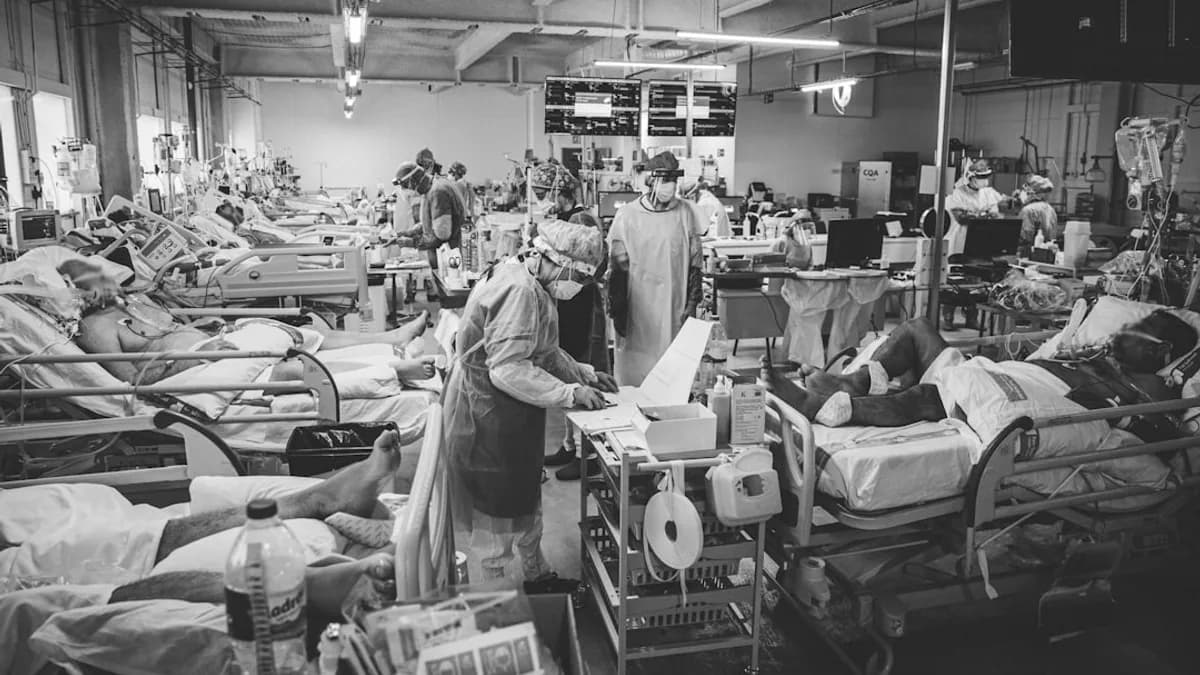
Lebanon’s hospitals are facing their worst overload since the country’s civil war era, as Israeli attacks send waves of injured civilians and combatants into facilities that were already stretched thin. Emergency rooms—many built for routine trauma and chronic care—are now triage zones for shrapnel wounds, burns, and blast injuries. Medical staff are rationing supplies, improvising with outdated equipment, and forced to choose which patients get priority. Surgical teams, according to Al Jazeera, often operate without adequate anesthesia, blood supplies, or even basic antibiotics.
The injuries overwhelming Lebanese hospitals are not just numerous—they’re severe. Doctors report a surge in multi-trauma cases: chest wounds from shelling, limb amputations, and internal bleeding. Many patients arrive after hours of delay, with infection risk compounded by the lack of sterile materials. Intensive care units—already short-staffed—are running at double capacity, and some hospitals have converted hallways into makeshift wards.
Medical personnel are burning out fast. Exhausted nurses work triple shifts, and junior doctors are pressed into roles usually reserved for seasoned surgeons. The Ministry of Health’s stockpiles are nearly depleted: intravenous fluids, painkillers, and surgic
Why It Matters
- Lebanon's hospitals are at risk of collapse due to overwhelming numbers of war casualties from Israeli attacks.
- Critical shortages of medical supplies and staff burnout threaten the survival chances of injured patients.
- The crisis highlights the vulnerability of healthcare systems in conflict zones and the urgent need for international support.