How Inter Milan’s Tactical Mastery Secured Their 21st Serie A Title
Inter Milan didn’t just win the Scudetto; they made it look inevitable. Clinching the title with three games to spare isn’t common in Serie A, especially in a season where Napoli threatened to upend the hierarchy. The decisive 2-0 victory over Parma wasn’t a fluke but the culmination of a campaign defined by ruthlessly efficient tactics and relentless discipline. Simone Inzaghi’s fingerprints were everywhere: from the team’s seamless transitions between a 3-5-2 and 3-4-1-2, to the way they stifled counterattacks and exploited Parma’s defensive frailties.
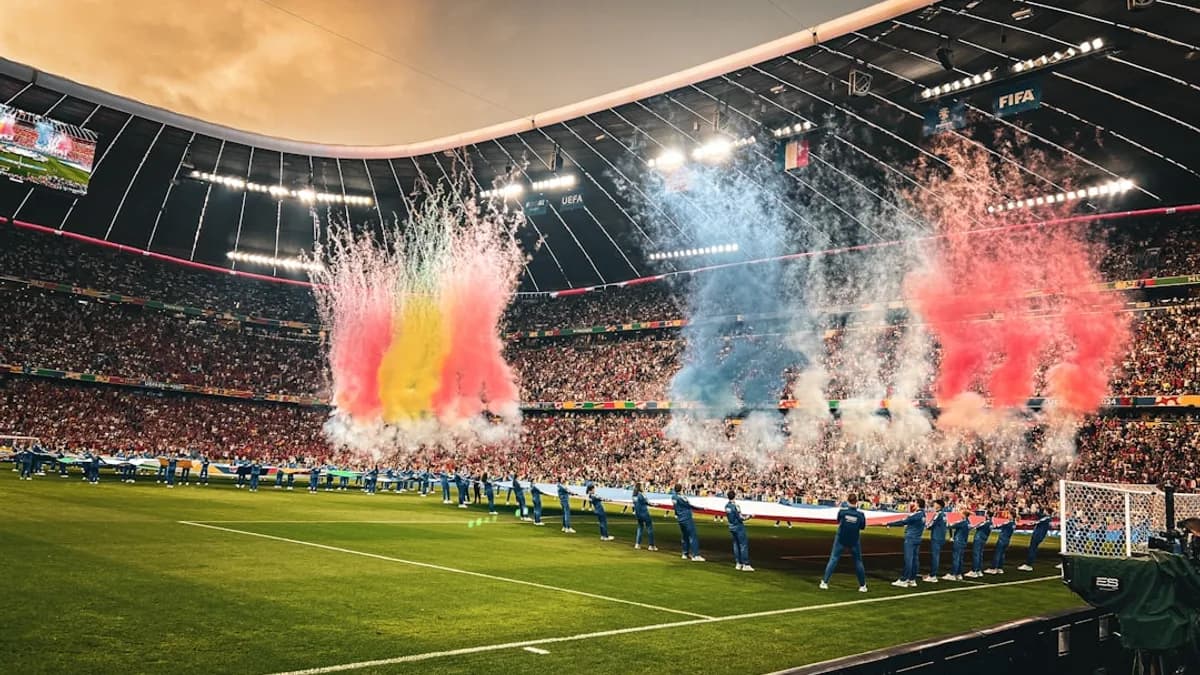
Inzaghi’s insistence on pressing high, while maintaining defensive compactness, forced mistakes from opponents all season. Against Parma, Inter’s midfield outnumbered and outmaneuvered their rivals, suffocating possession and turning turnovers into fast breaks. Nicolo Barella’s relentless energy and Hakan Çalhanoğlu’s vision cut through Parma’s midfield, while Lautaro Martínez remained clinical up front. Unlike previous years where Inter’s focus wavered late in the season, Inzaghi kept the squad locked in, rotating just enough to avoid burnout but never sacrificing tactical cohesion. The result: a team that rarely dropped points in must-win matches. As fireworks blazed above San Siro, Inter’s tactical blueprint was the real spectacle, not just the scoreline according to Al Jazeera.
Crunching the Numbers: Statistical Breakdown of Inter’s Dominant Season
Numbers don’t lie—and Inter’s stats this year are brutal for any rival. The Nerazzurri racked up 82 points after 35 matches, outpacing Napoli by a clear margin. Their goal difference stood at +45, with 74 goals scored and only 29 conceded. Lautaro Martínez led the charge with 23 goals, while Marcus Thuram chipped in with 15. Çalhanoğlu and Barella combined for 18 assists, turning midfield dominance into tangible results.
Defensively, Inter’s back three—Bastoni, Acerbi, and Pavard—delivered the best clean sheet record in the league: 17 shutouts, far above Napoli’s 12. Their average possession hovered around 56%, not an outlier, but their ball recovery rate—averaging 65 per match—set them apart. Napoli’s early season surge saw them win nine of their first ten fixtures, but Inter matched that and then sprinted ahead, dropping only two points in the decisive winter stretch. The consistency wasn’t just a narrative; it was a statistical reality. Inter’s ability to lock down matches and grind out results, especially away from San Siro (where they won 14 out of 17), made the title a foregone conclusion weeks before the fireworks.
Rivalry Renewed: What Inter’s Triumph Means for Napoli and Serie A Dynamics
Napoli didn’t collapse—they were simply outplayed. Their campaign was impressive: 73 points, 68 goals scored, and a rejuvenated Victor Osimhen leading the line with 19 goals. The gap between Inter and Napoli never widened to embarrassment, but every head-to-head clash underscored Inter’s superiority. Napoli’s high-octane attack met its match in Inter’s disciplined defense; their midfield, while creative, couldn’t match Inter’s physicality and tactical discipline.
This razor-thin margin resets the power balance in Serie A. Last year, Napoli clinched the title for the first time since the Maradona era; Inter’s response was to recalibrate, invest in depth, and squeeze more from their stars. For Serie A, Inter’s victory signals that the league is moving beyond the old Juventus monopoly. The competitive intensity is forcing clubs to rethink strategies—scouting smarter, investing in youth, and demanding more tactical flexibility. Expect Napoli to spend aggressively this summer, hunting for upgrades in midfield and defense. The title race is no longer a two-horse show, but Inter’s win makes clear that tactical stability and squad depth trump flashy signings.
Voices from the Pitch and Beyond: Perspectives from Players, Coaches, and Fans
San Siro erupted as fans poured onto the streets—the city hasn’t seen celebration at this scale since Inter’s treble in 2010. Simone Inzaghi called the win “the culmination of discipline and unity,” praising his players for maintaining focus through injuries and fixture congestion. Lautaro Martínez, now tied for the Capocannoniere, credited the team’s “relentless hunger” as the secret ingredient.
Napoli manager Francesco Calzona offered no excuses, admitting, “Inter raised the bar. We have to match it.” Players like Osimhen and Zielinski echoed frustration but vowed to come back stronger. Milan’s fans treated the title as more than sport; banners and chants referenced city pride, economic resurgence, and the club’s return as a European heavyweight. The Scudetto is woven into Milan’s identity—this victory felt like reclaiming both history and future.
Tracing Inter Milan’s Journey: Historical Context of Their 21st Scudetto Win
Inter’s 21st title carries weight beyond the trophy cabinet. Their last three Scudetti came in 2021, 2010, and 2009—each marking a turning point. The 2010 win was part of the historic treble under Mourinho, the club’s most dominant era. This season’s triumph is different: not powered by superstar spending, but by tactical evolution and stability. Inzaghi inherited a squad that was talented but inconsistent; his tweaks—shifting from a rigid 3-5-2 to a more fluid system, integrating youth like Valentin Carboni, and trusting veterans—paid off.
The club’s management, led by Steven Zhang, has learned from past volatility. Instead of chasing quick fixes, they’ve built a sustainable model, cutting wage bills by 15% since 2022 and investing in analytics-driven scouting. Compared to the chaotic title wins of the past, this Scudetto looks more like the foundation for sustained dominance. Italian football has historically cycled through dynasties—Juventus in the 2010s, Inter in the late 2000s. This win could mark the start of a new era, especially as Serie A’s financial health improves and fan engagement surges.
What Inter Milan’s Title Victory Signals for the Future of Serie A
Money follows trophies—and Inter’s title is already attracting renewed sponsor interest. Nike and Pirelli are reportedly renegotiating deals that could boost Inter’s commercial revenue by 20% next season. The club’s Champions League prospects look brighter, with UEFA coefficient points surging thanks to domestic consistency and deeper European runs. Serie A as a whole is reaping the benefits: TV rights negotiations for 2027 are expected to exceed €2.2 billion, up from €1.8 billion in 2024, driven by the league’s newfound unpredictability.
Player transfers are set to spike. Inter’s success is making Milan a magnet for talent—rumors link them to Portuguese midfielder João Neves and Dutch winger Xavi Simons. Other clubs, especially Napoli and Roma, are scrambling to reinforce, knowing that Inter’s tactical discipline won’t disappear overnight. Global appeal is rising: Serie A’s viewership in Asia and North America climbed 12% this season, a direct effect of marquee matches and competitive title races. If Inter can translate domestic dominance into Champions League success, the league’s profile will soar.
Forecasting the Next Season: Predictions Based on Inter Milan’s Current Momentum
Inter’s challenge next season is clear: avoid complacency and navigate a tougher calendar. Champions League ambitions will stretch squad depth—expect targeted signings, especially in midfield. Inzaghi’s contract extension is likely, cementing tactical continuity. Napoli, stung by the near-miss, will overhaul their defense and hunt for a new playmaker. Watch for a possible Osimhen sale, with Chelsea and PSG circling; the funds could trigger a major rebuild.
Emerging threats loom. Roma’s youth revolution, spearheaded by Edoardo Bove and Nicola Zalewski, is gaining traction. AC Milan, after a disappointing campaign, will spend big—rumors swirl around a €50 million bid for Benjamin Šeško. Serie A’s next season won’t be a repeat of this year’s duopoly. Inter’s advantage is tactical stability and financial prudence; their Achilles’ heel is squad depth, especially if injuries hit early. The title race will tighten, but Inter’s blueprint—discipline, flexibility, and squad cohesion—gives them the edge. Expect them to contend for both domestic and European honors, but they’ll need sharper rotation and more attacking options to survive the double grind.
If the numbers and trends hold, Inter Milan enters 2026-27 not just as favorites, but as the club everyone else is chasing. The real question: who adapts fastest, and who cracks first? The fireworks in Milan may just be the opening salvo of a new era in Italian football.
The Bottom Line
- Inter Milan’s tactical discipline sets a new benchmark for Serie A contenders.
- Clinching the title with three games to spare highlights Inter’s dominance this season.
- The team’s statistical superiority underscores their transformation under Simone Inzaghi.