Introduction: Overview of the Incident
Former US President Donald Trump announced that the US Navy has seized an Iranian-flagged container ship attempting to bypass a blockade at the Strait of Hormuz, a strategic waterway linking the Persian Gulf with the Arabian Sea [Source: Source]. The incident, confirmed by multiple media outlets, reportedly involved US forces firing upon and boarding the vessel before detaining it. The Strait of Hormuz, often described as the world’s most crucial oil transit chokepoint, has been a flashpoint in US-Iran tensions for decades.
Immediate reactions have been swift. Iran has denied agreeing to any talks related to the incident, while US officials have maintained that the operation was carried out to enforce maritime security in the region [Source: Source]. The seizure has prompted global attention, with experts and governments closely watching for potential repercussions on regional stability and international shipping.
Details of the Seizure Operation
According to Trump’s public statements, the US Navy intercepted the Iranian-flagged container ship after it attempted to navigate around the Hormuz blockade, which was established in response to ongoing regional tensions [Source: Source]. The operation reportedly involved warning shots before US forces boarded and secured the vessel. CNN and The Guardian have confirmed that the US Navy fired upon the ship, though specifics about the engagement—such as the nature of the resistance or the number of crew members detained—remain unclear [Source: Source].
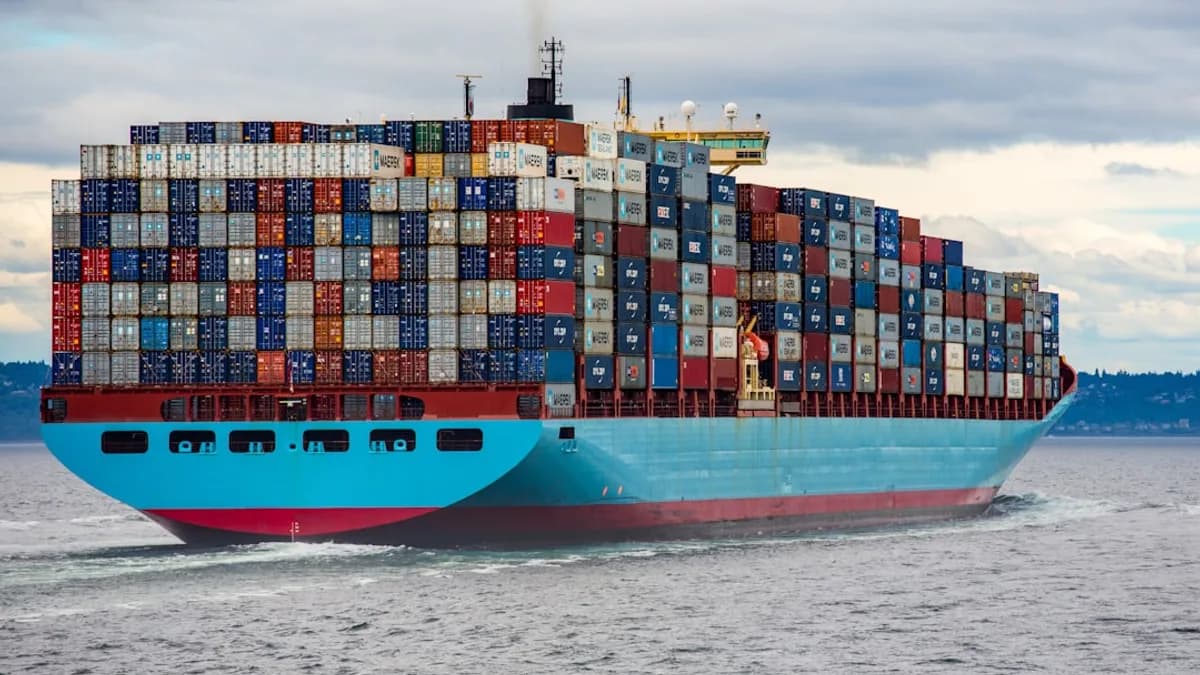
The seized ship was identified as a cargo vessel flying the Iranian flag, believed to be transporting commercial goods. The incident occurred in international waters near the Strait of Hormuz, a narrow passage that handles roughly a third of global seaborne oil shipments. The timing of the operation was not disclosed in detail but is believed to have taken place within the past 24 hours, based on the rapid succession of official statements and media reports.
US military officials stated that the seizure was executed to enforce existing maritime security protocols and prevent unauthorized passage through the blockade. The operation was reportedly coordinated with regional allies, though no other countries have claimed direct involvement in the mission so far. The vessel is now in US custody pending further investigation, and the crew’s status is being assessed by authorities.
Geopolitical Context and Significance
The Strait of Hormuz has long been a battleground for geopolitical influence, with both the US and Iran asserting their presence in the region. The current blockade, which US officials say is meant to deter illicit shipping and safeguard energy supplies, has heightened tensions and increased the risk of confrontation [Source: Source]. For decades, incidents in the Strait have threatened to disrupt global oil markets and inflame regional rivalries.
Historically, the US and Iran have clashed over maritime activity in the Persian Gulf, with periodic seizures, confrontations, and threats to close the Strait. Iran has repeatedly threatened to block the passage in response to sanctions and military pressure, while the US and its allies have conducted frequent patrols to ensure freedom of navigation. The latest seizure represents a significant escalation, as it involves direct action against an Iranian vessel and the potential for diplomatic fallout.
The impact of this incident could reverberate beyond the immediate region. International shipping companies may reconsider routes or increase security measures, while oil prices could be affected by fears of supply disruption. US-Iran relations, already strained by nuclear negotiations and sanctions, face further uncertainty. Analysts warn that the incident could either prompt renewed diplomatic engagement or trigger a cycle of retaliation, depending on the responses from Tehran and Washington.
Reactions from Iran and International Community
Iranian officials have strongly denied agreeing to any talks related to the seizure and have condemned the US action as an act of aggression [Source: Source]. Tehran maintains that the ship was operating within international law and has demanded its immediate release. Iranian state media has characterized the incident as a provocation, warning that it could destabilize the region and undermine ongoing diplomatic efforts.
Globally, the international community has called for restraint. Some governments have urged both sides to de-escalate and resolve the dispute through dialogue. The European Union, which has played a mediating role in previous US-Iran tensions, expressed concern over the potential impact on energy security and maritime safety. The United Nations has not yet issued a formal response but is reportedly monitoring the situation closely.
Diplomatic analysts suggest that the seizure could complicate efforts to restart talks on Iran’s nuclear program or broader regional issues. With both sides entrenched, the risk of escalation remains high. Regional allies, including Saudi Arabia and the United Arab Emirates, are likely to support US actions, while Iran’s partners, such as Russia and China, may call for restraint and negotiation.
Conclusion: Implications and Next Steps
The seizure of the Iranian-flagged ship at the Strait of Hormuz marks a new flashpoint in US-Iran relations and underscores the volatility of the region [Source: Source]. With both sides issuing strong statements and the international community watching closely, the situation remains fluid and potentially dangerous. The immediate focus will be on the fate of the detained vessel and crew, as well as diplomatic efforts to prevent further escalation.
Possible scenarios include intensified US-Iran confrontations, renewed diplomatic talks under international mediation, or increased military deployments in the Persian Gulf. The importance of the Strait of Hormuz for global energy supplies makes the outcome highly consequential. As developments unfold, monitoring official statements and regional responses will be essential to understanding the broader implications for international security and stability.