Introduction: Overview of Trump's Current Approval Ratings
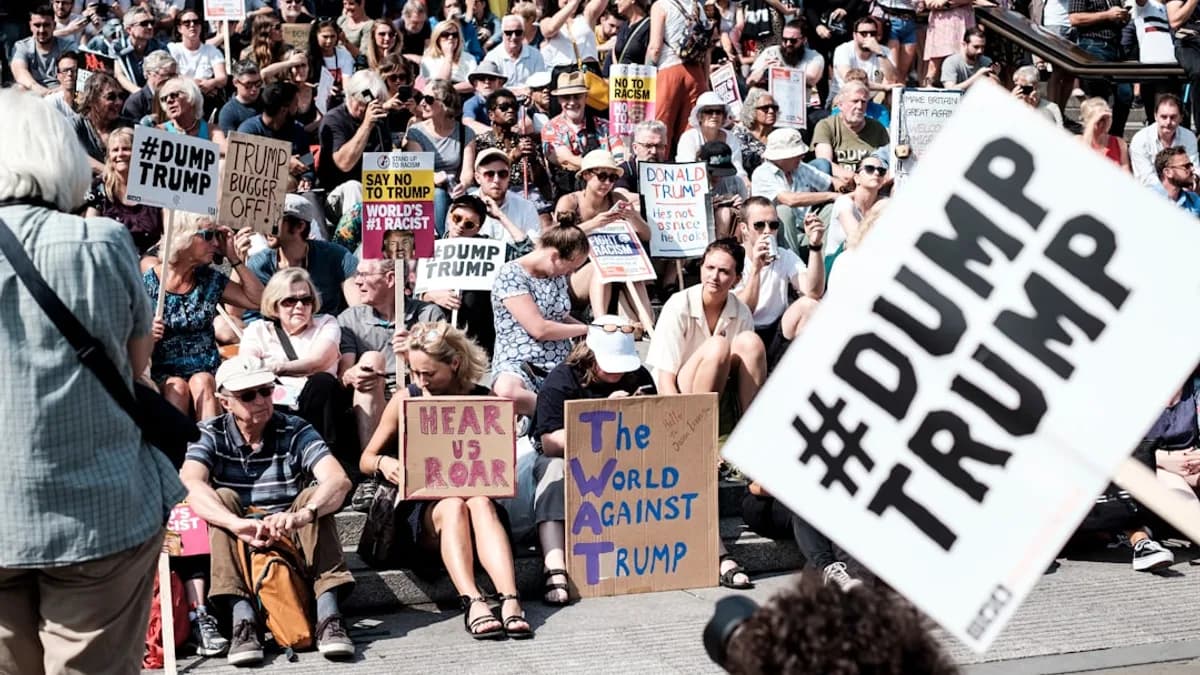
Recent polling data reveals a notable shift in public sentiment toward former President Donald Trump, with his disapproval ratings climbing to a second-term high. Multiple national surveys, including those cited by Forbes and NBC News, indicate that Trump’s approval rating has dropped significantly, largely due to widespread dissatisfaction with his handling of economic issues and the ongoing Iran war [Source: Source]. This decline is particularly significant, as it marks the lowest point in Trump’s approval ratings since the start of his second term, underscoring a growing divide between his administration and the broader American public. As concerns about inflation, high gas prices, and foreign policy controversies persist, these factors are shaping a more negative outlook among voters and fueling debate about Trump’s political prospects.
Understanding the Polls: Sources and Methodologies
The data underpinning Trump’s declining approval ratings comes from a range of reputable sources. Forbes highlights the latest polling trends, while NBC News and USA Today provide additional context through their own national surveys. MS NOW and azcentral.com further contribute to the conversation, offering snapshots of Trump’s standing across various demographics and regions [Source: Source].
Polling methodologies play a critical role in interpreting these results. Most of these polls rely on randomized telephone and online surveys, targeting a representative sample of American adults. The sample sizes typically range from 1,000 to 2,000 respondents, with margins of error around 2-4%. Questions are designed to gauge approval or disapproval of Trump’s job performance, as well as specific attitudes toward issues like the economy and foreign policy.
It’s important to note the timing of these polls. Most were conducted in the wake of recent escalations in the Iran conflict and as Americans have been grappling with inflation and rising gas prices. This temporal proximity means the poll results reflect immediate public reactions to current events, rather than long-term trends. While all the referenced polls show Trump’s approval rating trending downward, slight variations exist due to differences in methodology, question phrasing, and sample composition. Nevertheless, the consensus is clear: Trump’s popularity has suffered in light of recent developments.
The Impact of the Iran War on Trump's Approval
The Iran war remains a deeply unpopular issue among American voters, significantly impacting Trump’s approval ratings. Public sentiment, as captured in the polls referenced by Forbes and NBC News, reveals widespread skepticism toward the U.S. involvement in Iran, with many respondents expressing concern over the potential for prolonged conflict and its ramifications [Source: Source].
The war’s unpopularity stems from several factors. Many Americans are wary of foreign entanglements, especially those perceived as costly or lacking clear objectives. The escalation in Iran has raised fears about the possibility of broader regional instability, increased military spending, and the risk of American casualties. These anxieties are reflected in poll responses, where a majority of participants cited dissatisfaction with Trump’s handling of the situation.
Demographic and political group differences further illuminate the issue. Younger voters and those identifying as politically independent are particularly critical of the Iran war, with approval ratings among these groups dropping more sharply than among older or conservative respondents. Women and minority groups also tend to disapprove of Trump’s approach, citing concerns about humanitarian impacts and the prioritization of domestic issues over international conflicts.
For Trump, the Iran war has become a liability in the court of public opinion. Polls consistently show that Americans are looking for a de-escalation and diplomatic solutions, rather than continued military engagement. This sentiment is contributing to the erosion of support not only among traditional critics but also among segments of his base that previously favored a more isolationist foreign policy.
Economic Factors Driving Disapproval
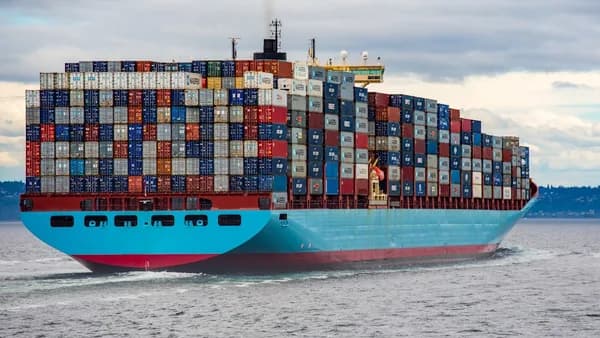
Alongside foreign policy, economic conditions have emerged as a major driver of Trump’s declining approval ratings. Inflation, particularly the surge in gas prices, has become a focal point of voter dissatisfaction [Source: Source]. According to surveys from USA Today and MS NOW, a majority of Americans now view Trump’s economic management unfavorably, linking their personal financial struggles to his administration’s policies.
High gas prices are especially salient, as they directly impact household budgets and daily life. Many respondents in recent polls report feeling less confident about the economy, with inflation outpacing wage growth and eroding purchasing power. The polls indicate that economic anxiety is widespread, cutting across age, gender, and regional lines. In battleground states, where economic issues often sway electoral outcomes, Trump’s approval ratings have fallen even further.
Other economic indicators contributing to disapproval include concerns about job security, stagnating wages, and the rising cost of living. While some respondents acknowledge improvements in certain sectors, the overwhelming sentiment is one of frustration and uncertainty. The combination of high inflation and an unpopular war has created a perfect storm for Trump’s public image, with many voters increasingly associating their economic woes with his leadership.
Notably, even among Republican-leaning voters, economic dissatisfaction has led to a drop in approval. While core supporters may still back Trump on ideological grounds, polls show that economic concerns are making it harder for him to maintain broad-based support. This dynamic underscores the importance of economic issues in shaping political fortunes and highlights the challenge Trump faces in reversing the current trend.
Comparing Current Ratings to Previous Terms and Historical Context
Trump’s current approval ratings are not only lower than earlier points in his presidency but also stand out when compared to other presidents facing similar challenges. During his first term, Trump’s approval ratings fluctuated but rarely dipped to the levels seen in recent polls. Historical comparisons reveal that presidents confronted with unpopular wars and economic troubles often see sharp declines in public support. For example, both George W. Bush and Jimmy Carter experienced significant drops in approval during periods of foreign conflict and economic instability.
These historical patterns suggest that Trump’s current predicament is not unique, but the convergence of war and economic issues amplifies the impact. The second-term low is particularly concerning for Trump’s political future, as it may affect his ability to rally support ahead of upcoming elections. Polling trends indicate that if the Iran war continues and economic conditions do not improve, Trump could face growing resistance within his own party and among independent voters [Source: Source].
This context underscores the importance of addressing both foreign and domestic concerns. Political analysts warn that prolonged disapproval ratings could limit Trump’s influence and complicate efforts to unify the Republican base. As history shows, presidents who fail to win back public trust during times of crisis often struggle to advance their agendas or secure re-election.
Conclusion: What These Polls Mean for Trump and the Broader Political Landscape
In summary, the latest polls highlight a growing disapproval of Donald Trump, driven by widespread dissatisfaction with the Iran war and persistent economic challenges [Source: Source]. The convergence of unpopular foreign policy decisions and rising inflation has created a significant hurdle for Trump, pushing his approval ratings to a second-term low and raising questions about his political future.
These trends are likely to continue shaping public opinion, with voters demanding solutions to both international conflicts and domestic economic woes. As the election season approaches, Trump and his allies will need to address the underlying causes of discontent if they hope to regain support. For the broader political landscape, the polls signal a shift toward greater scrutiny of leadership during times of crisis and underscore the importance of responsive, effective governance in winning voter confidence.