


Introduction: The Renewed Tensions in the Strait of Hormuz
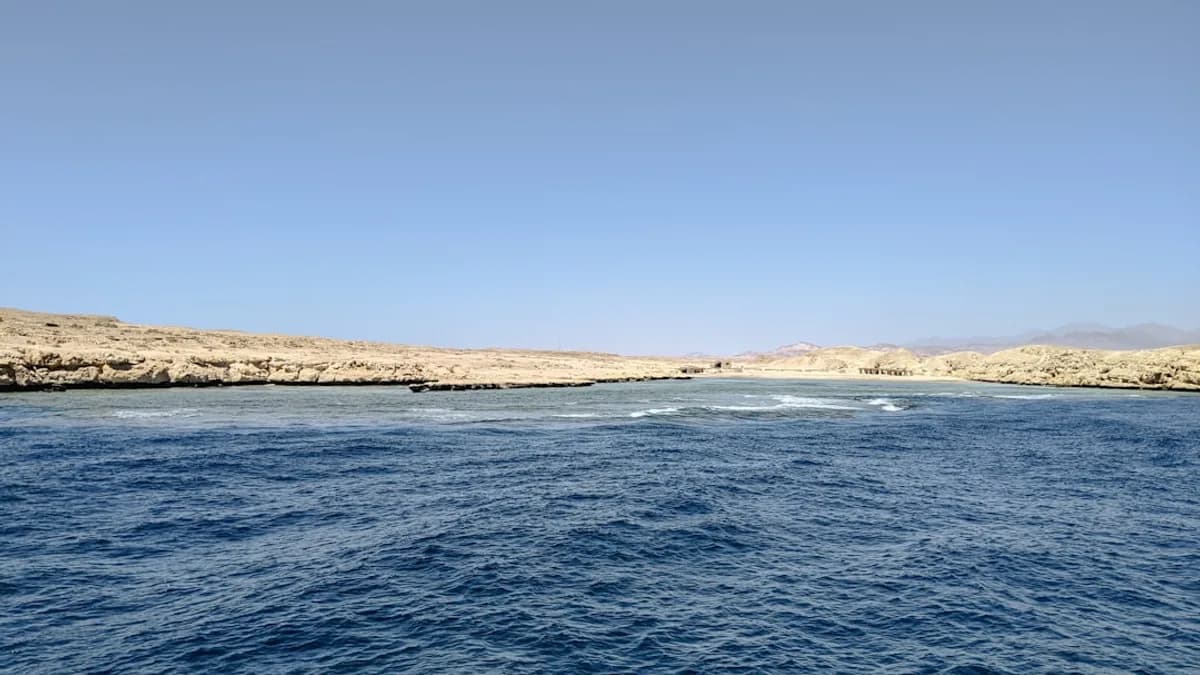
The Strait of Hormuz, a slender waterway linking the Persian Gulf with the Arabian Sea, once again finds itself at the epicenter of global anxiety. Over the past 24 hours, tensions have sharply escalated as Iran’s Revolutionary Guards Navy issued stern warnings, threatening to “destroy” vessels attempting to traverse the strait [Source: Source]. This renewed standoff has rattled energy markets and prompted urgent diplomatic efforts, with high-stakes talks now set for Monday in Pakistan to prevent further escalation. The strategic significance of the Strait—through which roughly a fifth of the world’s oil supply passes—cannot be overstated. Any disruption here has far-reaching consequences, not just for regional players but for the entire global economy. As the international community watches with apprehension, the upcoming dialogue in Islamabad offers a glimmer of hope amid growing uncertainty.
Historical Context and Strategic Importance of the Strait
The Strait of Hormuz has long been recognized as one of the world’s most critical maritime chokepoints. Historically, it has served as both a lifeline and a flashpoint. Incidents such as the “Tanker War” during the Iran-Iraq conflict in the 1980s, when both sides targeted oil shipments, underscored the vulnerability of this narrow passage to geopolitical tensions. Periodic confrontations involving the U.S. Navy and Iranian forces—most notably the 1988 downing of Iran Air Flight 655 and more recent seizures of foreign tankers—have kept the region on edge.
The strait's strategic value is tied directly to its geography. At its narrowest, it is just 33 kilometers wide, funnelling nearly 20 million barrels of oil daily—a figure representing about 20 percent of global consumption [Source: Source]. This makes it a tempting lever for regional powers, particularly Iran, to exert influence not only over its neighbors but also over the global economy. Tehran has, on multiple occasions, threatened to close the Strait in response to sanctions or military actions, signaling its willingness to use this vital corridor as a bargaining chip. By projecting the specter of disruption, Iran amplifies its geopolitical clout, leveraging the world’s dependence on secure energy flows.
While the international community has traditionally maintained freedom of navigation through the Strait via naval patrols and diplomatic pressure, the reality remains fragile. Any hint of instability here reverberates instantly through energy markets, driving up prices and triggering contingency planning worldwide. The current crisis is merely the latest chapter in a decades-long saga that underscores the enduring fragility of this essential maritime artery.
Analysis of Iran’s Recent Actions and Rhetoric
Iran’s latest threats to close the Strait of Hormuz and the Revolutionary Guards Navy’s explicit warning to “destroy” vessels attempting passage mark a significant escalation in rhetoric and posture [Source: Source]. This aggressive stance comes at a delicate moment, as a ceasefire in the region nears expiration and diplomatic efforts to maintain stability appear increasingly strained.
By doubling down on its threats, Iran is sending a clear message: it is prepared to leverage its control over the strait as a tool of coercion. This is not mere bluster; Iran has previously demonstrated its capacity to disrupt shipping, whether through the seizure of vessels or the mining of waterways. The timing is crucial—by raising the stakes as a ceasefire winds down, Tehran is likely seeking to strengthen its negotiating position both regionally and internationally.
Several motivations may underpin Iran’s posture. Domestically, hardline factions may view a show of strength as a means to bolster their standing amidst internal challenges. Regionally, Iran seeks to deter adversaries and assert its influence over Gulf neighbors, particularly those aligned with Western powers. On the global stage, Tehran is acutely aware of the leverage it holds over energy markets; even the threat of disruption can send shockwaves through global oil prices and insurance rates for shipping.
However, such brinkmanship is fraught with risks. Miscalculations—whether intentional or accidental—could quickly spiral into open conflict, drawing in regional and international actors. The Revolutionary Guards’ warnings are not issued in a vacuum; they are closely monitored by the U.S. Fifth Fleet and allied naval forces stationed nearby. Any escalation could trigger a rapid military response, with unpredictable and potentially catastrophic consequences for regional security and the global economy.
Iran’s rhetoric, while calculated, reflects a persistent strategy: use the threat to the Strait as both shield and sword. By keeping the world guessing, Tehran amplifies its bargaining power, but also courts the danger of unintended escalation.
International Responses and the Call for Open Access
The international response to the renewed tensions has been swift and unequivocal. U.S. Senator Tim Kaine has articulated what many around the world believe: the Strait of Hormuz “should be open to all” [Source: Source]. This sentiment is echoed by numerous governments and international bodies, who recognize that the freedom of navigation through this corridor is not merely a regional issue but a global imperative.
Global powers—including the United States, European Union, and China—have long advocated for the unimpeded flow of commerce and energy through the strait. Their navies regularly patrol the waters, both as a deterrent and a reassurance to markets. Regional actors, too, are acutely aware that any disruption would first and foremost harm their own economies, with the Gulf states particularly vulnerable to supply shocks and price volatility.
Yet, ensuring open access is easier said than done. The risks of military escalation are ever-present; a misstep by any party could ignite broader conflict. Diplomatic efforts are often hampered by mistrust, competing interests, and the presence of hardline elements unwilling to compromise. The region’s complex web of alliances and rivalries means that any incident in the strait has the potential to draw in actors far beyond its immediate shores.
The challenge, therefore, lies in balancing deterrence with dialogue—maintaining a credible security posture while keeping diplomatic channels open. The world’s stake in the Strait of Hormuz is too great for any other approach.
The Upcoming Talks in Pakistan: Opportunities and Risks
Against this volatile backdrop, the talks scheduled in Pakistan on Monday represent a crucial opportunity for de-escalation [Source: Source]. Islamabad’s role as host underscores its unique position as a regional actor with ties to both Iran and the Gulf Arab states. The immediate goal will be to lower the temperature, establish communication channels, and seek concrete commitments to avoid military confrontation in the strait.
Such dialogue is essential. Direct engagement can help clarify intentions, provide off-ramps for de-escalation, and build confidence among parties who might otherwise misinterpret actions or rhetoric. Past episodes have shown that even limited dialogue can buy time and prevent miscalculations.
Nevertheless, the risks are substantial. If the talks fail or are derailed by hardliners—whether in Tehran, Riyadh, or elsewhere—the prospects for a peaceful resolution diminish. In such a scenario, the region could slide further toward confrontation, with dire consequences for global energy supplies and security. The stakes could hardly be higher.
Opinion: Why Maintaining Open Access to the Strait is Imperative
The case for keeping the Strait of Hormuz open to all is not just a matter of legal principle; it is an economic and humanitarian necessity. The world relies on this narrow channel for the steady flow of energy that powers industries, heats homes, and supports livelihoods from Asia to Europe and beyond. Any attempt by a single actor to control—or worse, close—the strait would amount to holding the global economy hostage.
Allowing the Strait to become a pawn in geopolitical struggles sets a dangerous precedent. History has shown that even the threat of disruption can cause price spikes, fuel inflation, and undermine recovery efforts worldwide. In an era already marked by economic uncertainty and fragile supply chains, the world cannot afford another shock emanating from this vital artery.
Sustained diplomatic engagement is the only viable path forward. Multilateral cooperation—bringing together global and regional powers—is essential to ensuring the security of the strait. Naval patrols and deterrent measures have their place, but they must be complemented by dialogue that addresses underlying grievances and builds trust among adversaries.
The international community must make clear that freedom of navigation is not negotiable. By working together—through diplomacy, confidence-building, and, where necessary, collective security measures—the world can safeguard the Strait of Hormuz for the benefit of all. Anything less would be a dangerous abdication of responsibility.
Conclusion: Navigating a Path Forward Amidst Uncertainty
The renewed standoff in the Strait of Hormuz is a stark reminder of the fragility of global security and the interconnectedness of our economies. With so much at stake, the world must approach the coming days with vigilance, unity, and resolve. The talks in Pakistan offer a much-needed chance to ease tensions and chart a path toward stability. But success will require more than words; it will demand sustained commitment, creative diplomacy, and a shared recognition of our collective interests. As the world watches and waits, the imperative is clear: keep the strait open, keep the peace, and keep working—for the sake of all who depend on these crucial waters.