Introduction: Honoring George Ariyoshi, a Trailblazer in American Politics
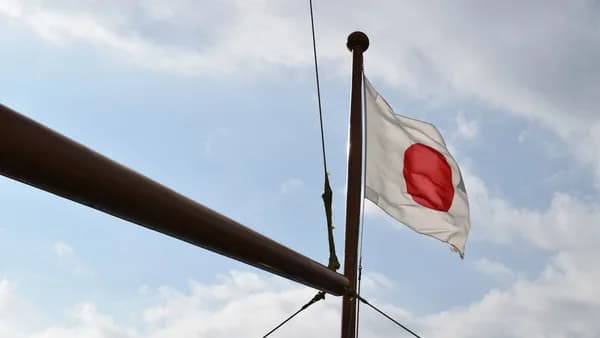
George Ariyoshi, who broke barriers as the first Asian American governor in the United States, died at age 100 this week [Source: Google News]. Ariyoshi’s story isn’t just Hawaii’s story—it’s America’s. He served as Hawaii’s third governor, leading the state for more than a decade. Ariyoshi showed that people from all backgrounds can shape the country’s future. His leadership opened doors for Asian Americans and other minorities in politics. As flags in Hawaii fly at half-staff, people remember a man who proved that diversity and hard work can change history. Ariyoshi’s legacy still matters, not just in Hawaii, but across the nation.
George Ariyoshi’s Political Journey and Historic Governorship
George Ariyoshi was born in Honolulu in 1926, before Hawaii became a state. His parents were immigrants from Japan, working hard to give their family a better life. Ariyoshi grew up during World War II, a time when people of Japanese descent faced suspicion and prejudice. He joined the U.S. Army, then studied law, showing early on that he wanted to help his community.
Ariyoshi started his political journey in the Hawaii State Legislature. He moved up fast, becoming lieutenant governor in 1970. In 1974, he became governor, stepping into a role that no Asian American had ever held in any state. He held the office for twelve years, longer than any other Hawaii governor.
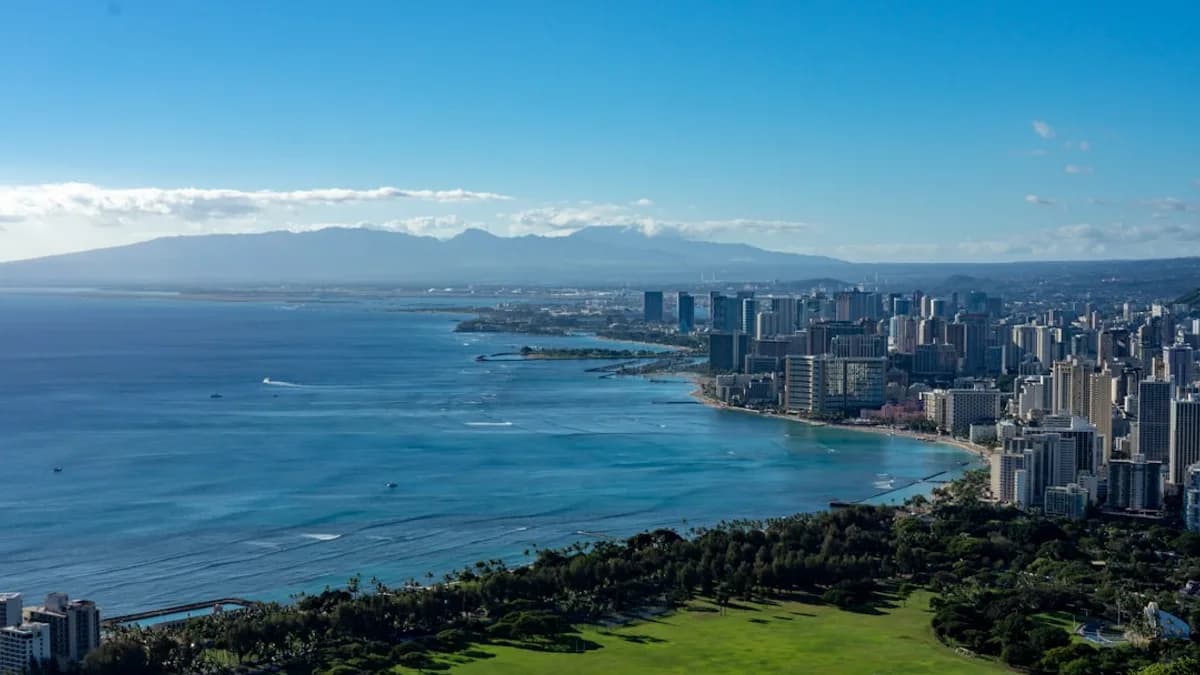
During his time as governor, Ariyoshi helped Hawaii grow while keeping its culture strong. He pushed for smart land use, making sure development didn’t destroy natural beauty. He supported tourism, but wanted to protect the environment too. Ariyoshi helped build more affordable housing, improved schools, and encouraged new kinds of business besides tourism.
He faced tough challenges, like a slow economy in the 1970s and 1980s. Ariyoshi made hard choices, cutting spending and asking for patience. His calm, steady style earned him respect, even from critics. He believed in listening more than talking, and his careful planning became known as the “Ariyoshi style” in Hawaii politics.
Ariyoshi’s long leadership shaped Hawaii’s government. He set up rules for land use that still guide decisions today. He pushed for more voices in politics, making sure everyone—no matter their background—had a chance to speak up. Ariyoshi saw Hawaii as a place where many cultures come together. He wanted the government to reflect that.
Breaking Barriers: The Impact of Ariyoshi’s Asian American Heritage in U.S. Politics
When Ariyoshi became governor, it sent a strong message across the country. He was the first person of Asian descent to lead a U.S. state. This was more than just a personal win—it was a milestone for Asian Americans everywhere [Source: Google News]. At the time, Asian Americans were rarely seen in top political jobs. Many faced prejudice, and some were still dealing with the effects of wartime discrimination.
Ariyoshi showed that Asian Americans could lead, make tough decisions, and earn trust. His election happened during a time when the country was starting to talk more about civil rights and fair treatment. But Asian Americans were often left out of those conversations. Ariyoshi’s win brought new hope. He inspired young people in Hawaii and across the U.S., showing them that government could be open to everyone.
His story fits with other big moments for minority leaders in America. For example, Douglas Wilder became the first Black governor in Virginia in 1990. Susana Martinez became the first Latina governor in New Mexico in 2011. Ariyoshi’s success came first, making him a pioneer for all who followed.
Ariyoshi didn’t just open doors for Asian Americans. He helped show the value of letting different voices lead. He made it easier for people of all backgrounds to see themselves in government. Today, more Asian Americans are running for office than ever before. Ariyoshi’s story is part of why that change is happening.
Legacy and Lasting Influence on Hawaii and National Politics
Ariyoshi’s decisions still shape Hawaii today. He pushed for careful planning, protecting the islands from too much growth. His land use policies helped keep beaches, forests, and open spaces safe. Hawaii’s leaders still use his rules to guide new projects.
He promoted multiculturalism, both in government and daily life. Ariyoshi wanted people from all backgrounds to feel at home in Hawaii. He encouraged schools to teach about many cultures. He hired people from different backgrounds for government jobs. Ariyoshi’s focus on inclusivity helped Hawaii become one of the most diverse states in the country.
After leaving office, Ariyoshi kept working. He wrote books, shared advice, and stayed involved in local issues. He earned many honors, including awards from community groups and universities. Leaders often called him to ask for help, and he always made time to listen.
His impact goes beyond Hawaii. Political leaders across the U.S. point to Ariyoshi as proof that diversity improves leadership. He showed that calm, steady planning can solve tough problems. His style—listening, thinking ahead, and including everyone—became a model for others.
Today, as more Asian Americans and other minorities run for office, Ariyoshi’s story is a reminder that barriers can be broken. His legacy lives on in every leader who believes in fairness, inclusion, and careful decision-making.
Analysis: What George Ariyoshi’s Life Teaches About Diversity and Leadership in America
George Ariyoshi’s life shows that having leaders from many backgrounds helps everyone. He broke stereotypes about what a governor should look like. People once thought only certain groups could lead. Ariyoshi proved them wrong.
His success challenges old ideas and helps set new standards. When more people see leaders who look like them, they feel encouraged to step up. This is true in politics, schools, and businesses. Ariyoshi’s story gives hope to young people facing barriers because of their race or heritage.
Diverse leadership also brings new ideas. Ariyoshi understood Hawaii’s mix of cultures because he lived it. He knew what different communities needed. He made policies that helped everyone, not just a few. This made Hawaii stronger and more united.
Today, America is more diverse than ever. But many places still struggle with fair representation. Ariyoshi’s story teaches that change is possible, but it takes courage and patience. Policymakers can learn from his careful planning and open-minded style. Communities can see his life as proof that inclusion is more than a slogan—it’s a way to build a better future.
Looking ahead, diversity in leadership will matter even more. As America faces new challenges, leaders like Ariyoshi remind us to listen, plan, and include everyone. His life is a guide for anyone working to make government, schools, or businesses fairer and more welcoming.
Conclusion: Celebrating a Century of Leadership and Progress
George Ariyoshi’s long life showed that courage and hard work can change history. He became the first Asian American governor, helped Hawaii grow wisely, and pushed for fairness in government [Source: Google News]. His legacy lives on in every leader who values diversity and steady planning.
As people in Hawaii and across the U.S. remember Ariyoshi, they celebrate more than just a man—they celebrate progress. His story reminds us to keep opening doors, to keep pushing for fair representation, and to keep building communities where everyone belongs. Honoring Ariyoshi means working for a country where all voices matter and every person has a chance to lead.
Why It Matters
- George Ariyoshi broke barriers as the first Asian American governor in US history, inspiring greater diversity in political leadership.
- His policies balanced economic growth with environmental protection, shaping Hawaii's development in a lasting way.
- Ariyoshi's legacy encourages minority participation and representation in American politics.