Introduction: Overview of Recent Developments in Iran-U.S. Tensions
The U.S. seized an Iranian-flagged ship suspected of carrying equipment that can be used for both civilian and military purposes, a move that has sparked fresh anger from Iran [Source: Google News]. Iran said it will fight back and warned that it has not agreed to new peace talks yet. Meanwhile, U.S. diplomat Vance is set to leave for Pakistan to try and restart talks with Iran. Tensions between the U.S. and Iran have jumped this week, with threats and tough words on both sides. The seizure, along with Iran’s harsh reaction, shows how fragile relations are. As events unfold, the world is watching for signs of calm or escalation.
Details of the Seized Iranian-Flagged Ship and Its Cargo
The ship taken by the U.S. is an Iranian-flagged vessel. American officials say it was carrying equipment that could be used in both commercial and military settings, known as "dual-use" gear [Source: Google News]. This type of cargo is often watched closely because it can help build weapons or nuclear programs. The ship was part of a fleet that often visits China, which raises questions about Iran’s trade links and how goods move across borders.
Dual-use equipment is tricky. Some items, like advanced electronics or industrial parts, are needed for factories or power plants. But those same items can help build missiles or other weapons. The U.S. has rules to stop Iran from getting these materials, especially since Iran’s nuclear program remains a concern.
The seizure may be tied to these rules. U.S. officials say stopping the ship was legal under international sanctions. They claim it was meant to slow Iran’s military growth and enforce export controls [Source: Google News]. Iran’s trade with China is also under scrutiny. China has been Iran’s biggest oil buyer, and some Chinese ports see regular Iranian ship visits. This makes it harder for the U.S. to track and block shipments.
The ship seizure is not just about one boat. It’s a sign that the U.S. is watching Iran’s sea trade more closely. The move could make Iran rethink how it ships goods, or push it to find new routes and partners. It also sends a warning to other countries that the U.S. is serious about enforcing its sanctions.
Iran’s Response and Threats of Retaliation Following the Ship Seizure
Iran quickly condemned the U.S. for taking its ship. Officials called the action illegal and said it hurt Iran’s rights. Iranian leaders promised to strike back, but they did not say exactly how or when [Source: Google News]. Iran also said that it has not decided yet about new peace talks, signaling that it may refuse to meet unless the ship is returned.
Iran’s threats add to worries in the region. In the past, Iran has reacted to similar events by seizing foreign ships, closing parts of the Persian Gulf, or attacking oil tankers. Its leaders often use strong words, but sometimes follow up with action. That means oil prices and military alerts can go up fast after such statements.
Iran’s refusal to agree to peace talks shows how deep the mistrust runs. The country says the U.S. must respect its rights before any talks can start. This stance makes it harder for diplomats to find common ground. The world is watching to see if Iran will make good on its threats, or if both sides will step back from the brink.
Vance’s Peace Talks in Pakistan: Goals and Challenges
Vance, a top U.S. diplomat, is getting ready to travel to Pakistan. His goal is to start peace talks with Iran and lower tensions after the ship seizure [Source: Google News]. The mission is risky. Vance wants Iran to agree to new rules for sea trade and to talk about its nuclear plans.
Pakistan was picked for the talks because it has ties to both the U.S. and Iran. It shares a long border with Iran and often acts as a bridge in tough times. Pakistan’s leaders have hosted peace talks before, like those between the U.S. and Afghanistan’s Taliban in 2019. Their role is to help both sides meet in a neutral place.
But the challenges are big. Iran is angry about the ship and may refuse to join talks unless the U.S. gives something back. The U.S. wants Iran to stop exporting banned items and agree to more checks. Both sides have a history of breakdowns—like the failed nuclear talks in Vienna in 2022.
Vance faces hurdles. He must win trust, set clear goals, and keep talks from falling apart. He also has to deal with other players, like China and Russia, who have their own interests in Iran. If talks work, they could slow the cycle of threats and make trade safer. If they fail, tensions may get worse.
Broader Implications for U.S.-Iran Relations and Regional Security
The ship seizure and upcoming peace talks are part of a bigger story. U.S.-Iran relations have been tense for years, mostly due to Iran’s nuclear program and its support for groups seen as threats by the West. Sanctions have hit Iran’s economy hard, cutting oil sales and making trade tough.
This week’s events could shift the balance. By stopping the Iranian ship, the U.S. shows it is serious about keeping banned items out of Iran. This could scare other countries and companies away from trading with Iran. It may also push Iran to find new ways to get what it needs, including secret routes or partners.
On the other hand, peace talks in Pakistan could offer a way out. If Vance and Iran’s leaders can agree on some terms, it could start a slow thaw. This might lead to fewer threats, safer sea routes, or even a new deal on Iran’s nuclear program. Past talks, like the 2015 nuclear deal, brought some calm and allowed Iran to sell more oil. But those gains vanished when talks fell apart.
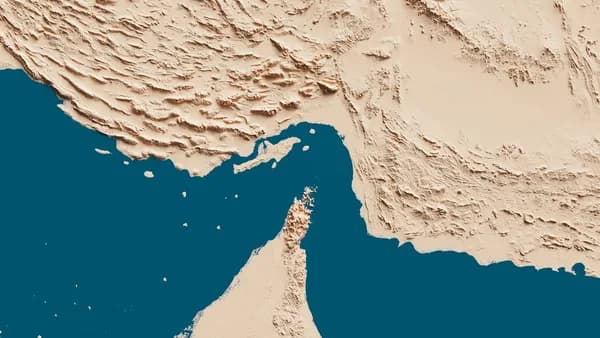
Regional security hangs in the balance. The Persian Gulf is a key route for oil and goods. If Iran tries to strike back, it could block ships or attack tankers, which would send oil prices soaring. U.S. allies like Saudi Arabia and Israel are watching closely, worried that any fight could spill over.
Military posturing is also a risk. The U.S. has ships and troops in the region, ready to respond if needed. Iran has its own forces and often shows off new missiles or drones. Both sides want to look strong, but that can lead to mistakes or clashes.
Trade and sanctions are key too. The U.S. wants to keep pressure on Iran, but some countries—like China and Russia—may ignore the rules. This makes it harder to enforce bans and keep dual-use goods out of Iran’s hands.
The next weeks will tell if the ship seizure sparks new fights or opens the door for talks. History shows that small steps, like swapping ships or agreeing to checks, can lead to bigger deals. But the risks are high, and the stakes are global.
Conclusion: What to Watch Next in the Iran-U.S. Conflict and Diplomacy
The U.S. seizure of an Iranian ship and Iran’s angry response have pushed relations to a new low. Vance’s trip to Pakistan could be a turning point—if talks start, there is hope for easing tensions. If not, the risk of conflict grows.
Watch for signs that Iran will take action, like closing sea routes or blocking oil shipments. Also track what happens in Pakistan, where diplomats may try to start talks. Oil prices, military moves, and new sanctions will show if peace or more conflict is coming.
For now, both sides are dug in. But global pressure and the need for stable trade might force leaders to the table. The world is waiting to see if calm or chaos wins out in the weeks ahead.
Why It Matters
- The U.S. seizure of an Iranian ship highlights rising tensions and the risk of military escalation in the region.
- Efforts to restart peace talks through diplomatic channels like Vance's trip to Pakistan could impact stability in the Middle East.
- The incident draws attention to international concerns over dual-use technology and the enforcement of sanctions on Iran.