Introduction: Historical Conflicts Between Popes and World Leaders
Popes and world leaders have clashed for centuries, shaping both religion and politics. These battles often changed history. Sometimes, the church pushed back against kings, emperors, and presidents. Other times, rulers challenged the church’s power. Today, these fights are still happening. The latest is between Pope Leo XIV and Donald J. Trump. This article looks at famous clashes from the past, how they matter now, and what the current feud means for Catholics and politics [Source: Google News].
Historical Examples of Popes Challenging World Leaders
Popes have stood up to powerful rulers since ancient times. Take Pope Leo I and Attila the Hun. In 452, Attila’s army marched toward Rome. Pope Leo I met Attila outside the city. He asked him to spare Rome, and Attila agreed. No one knows exactly why Attila turned back, but many believe Leo’s words helped save the city. This moment showed the pope could act as a peacemaker, even with a feared warlord.
Later, popes fought with European kings. Pope Gregory VII argued with Holy Roman Emperor Henry IV in the 11th century. The pope wanted to pick church leaders himself. Henry disagreed and got excommunicated. This showdown was called the “Investiture Controversy.” It helped split power between church and state.
In the 16th century, Pope Clement VII faced King Henry VIII. Henry wanted to divorce his wife, but the pope said no. Henry broke away from the Catholic Church and started the Church of England. This changed religion in England forever.
Napoleon Bonaparte also crossed paths with the pope. In 1809, Napoleon jailed Pope Pius VII. Napoleon wanted to control the church’s power in Europe. The pope resisted, and many Catholics saw him as a hero for standing up to Napoleon.
These fights were about more than religion. They shaped countries, laws, and even wars. They showed how popes could influence politics, not just faith. The balance of power between church and state was always shifting. Sometimes, the church won. Other times, rulers got their way. But the pope’s voice was always strong.
Modern Papal Engagements with Political Figures
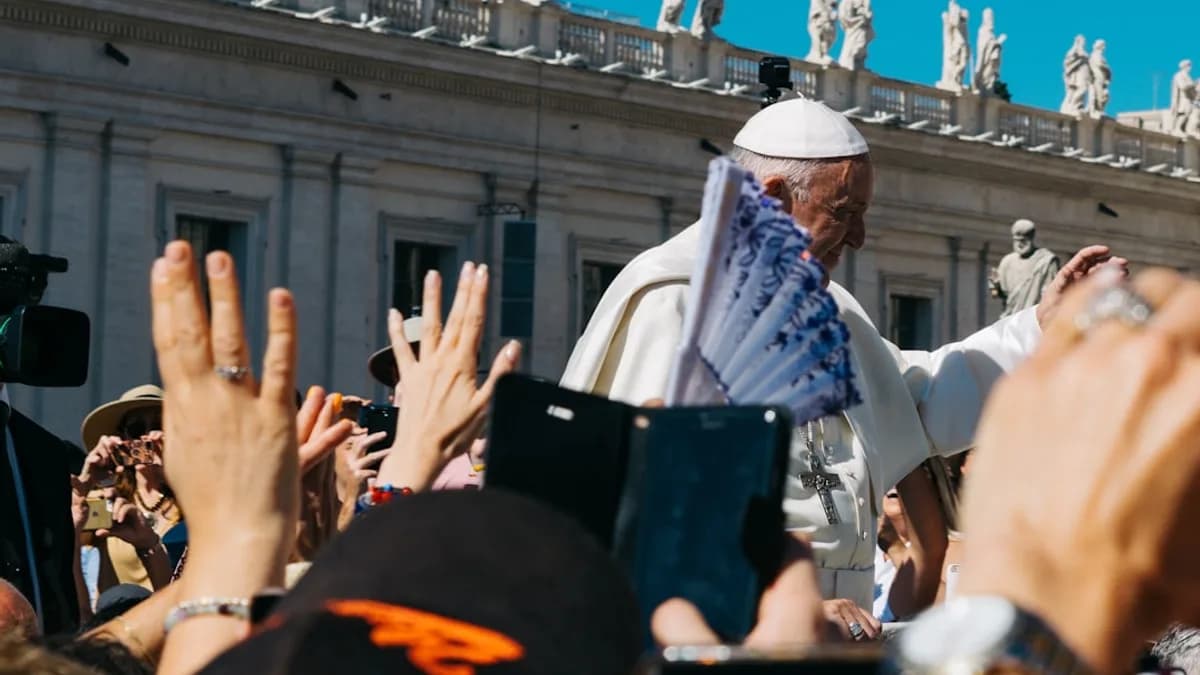
The role of popes in politics has changed in the last century. Instead of direct fights, popes now speak out on big issues. They meet leaders, call for peace, and weigh in on human rights. Pope John Paul II was famous for this. He spoke against communism and helped inspire change in Eastern Europe. He met with world leaders and pushed for freedom and justice.
Pope Francis has also made headlines. He talks about climate change, poverty, and migration. He has met presidents and prime ministers, urging them to help the poor and protect the planet. Francis sometimes criticizes leaders, but he focuses on dialogue and peace. His tone is softer than popes from the past.
Unlike old clashes, today’s popes rarely threaten leaders or use harsh words. Instead, they use speeches and media to get their message out. They meet with people from all religions and backgrounds. But their words still make a big impact. When a pope speaks, millions listen.
Recent popes have faced tough issues like war, inequality, and abuse scandals. Their role is global now. They don’t just guide Catholics—they speak to the whole world. This is a big shift from the days of kings and emperors. The church still has power, but it uses its voice more than its might.
The Recent Feud Between Pope Leo XIV and Donald J. Trump
Pope Leo XIV and Donald J. Trump have been locked in a public feud. Trump, a former president and current political figure, has criticized the pope’s views on immigration, climate, and social issues. Pope Leo XIV has answered by sticking to his message of peace and unity. He has said, “It is not in my interest at all to debate Trump, but I will keep preaching peace” [Source: Google News].
This standoff has stirred up Catholic communities in the U.S. Many Catholics who back Trump feel torn. Some agree with Trump’s politics but respect the pope’s teachings. Others worry about the church being used in political fights. Polls show that Catholic voters are split, with some supporting Trump and others siding with the pope [Source: CNN].
Church leaders have tried to calm things down. They remind people that the pope’s job is to guide on moral issues, not get into political brawls. But the feud has sparked debates in churches and schools. Some priests talk about it from the pulpit. Catholic newspapers run opinion pieces, asking if the church should speak out or stay silent.
Trump has called the pope “out of touch” on American issues. He says the church should focus on faith, not politics. Pope Leo XIV disagrees. He believes the church must help people and stand up for what’s right. He refuses to get into a shouting match with Trump, saying his mission is to promote peace.
The media has played a big role. News outlets report every statement and tweet. Social media spreads the feud fast. This makes it hard for Catholics to ignore. Even those who don’t follow politics hear about the fight. The pope’s words reach not just Catholics, but people all over the world.
Analysis: Implications of Papal and Political Leader Conflicts in Today’s World
When popes and politicians clash, it shapes how people see both the church and their leaders. These fights can make the church look strong or divided. Some Catholics feel proud when the pope stands up to power. Others worry it will hurt the church’s image.
The media is key. It decides which quotes to share and how to frame the story. Sometimes, coverage makes the feud look bigger than it is. Social media lets everyone join in—sharing opinions, memes, and arguments. This can make things more heated, but it also keeps the church in the public eye.
For Catholic voters, these clashes can be tough. Some want the church to stay out of politics. Others want it to speak up on issues like immigration and poverty. Polls show that Catholics often split along political lines. This affects elections. Politicians try to win Catholic votes by quoting the pope or pushing church-friendly policies.
But the church’s influence is changing. In Europe and America, fewer people go to church. The pope’s words may not sway as many voters as before. Still, the church is a moral voice. When it speaks, leaders listen—even if they disagree.
These disputes can also change political debate. They make people talk about ethics, justice, and caring for others. They remind leaders that some issues are bigger than politics. The pope’s voice brings attention to problems like climate change and migration.
Some experts say these fights are a sign of healthy democracy. They show that church and state are separate, but both matter. Others warn that too much fighting can turn people off faith or politics. The challenge is finding balance—letting the church speak up, but not letting politics divide it.
Conclusion: The Enduring Legacy of Papal Leadership in Political Arenas
The history of popes challenging world leaders is long and rich. From Attila the Hun to Donald J. Trump, popes have shaped big moments in both faith and politics. These clashes show the church’s role in public life—sometimes as a peacemaker, sometimes as a challenger.
Today, dialogue and peace matter more than ever. Popes still speak out, but they try to unite, not divide. The feud between Pope Leo XIV and Trump is just the latest chapter. It shows that church-state relations are still complex, but also that people want leaders who talk about values.
Going forward, the church’s voice will remain important. The real test is whether popes and politicians can disagree without turning their followers against each other. For Catholics and everyone else, these conflicts are a reminder: faith and politics can mix, but only if leaders aim for peace and understanding.
Why It Matters
- Historical conflicts between popes and leaders shaped both religious and political landscapes.
- Current tensions between Pope Leo XIV and Donald J. Trump echo past power struggles.
- Understanding these battles helps explain the ongoing influence of the Catholic Church in global politics.