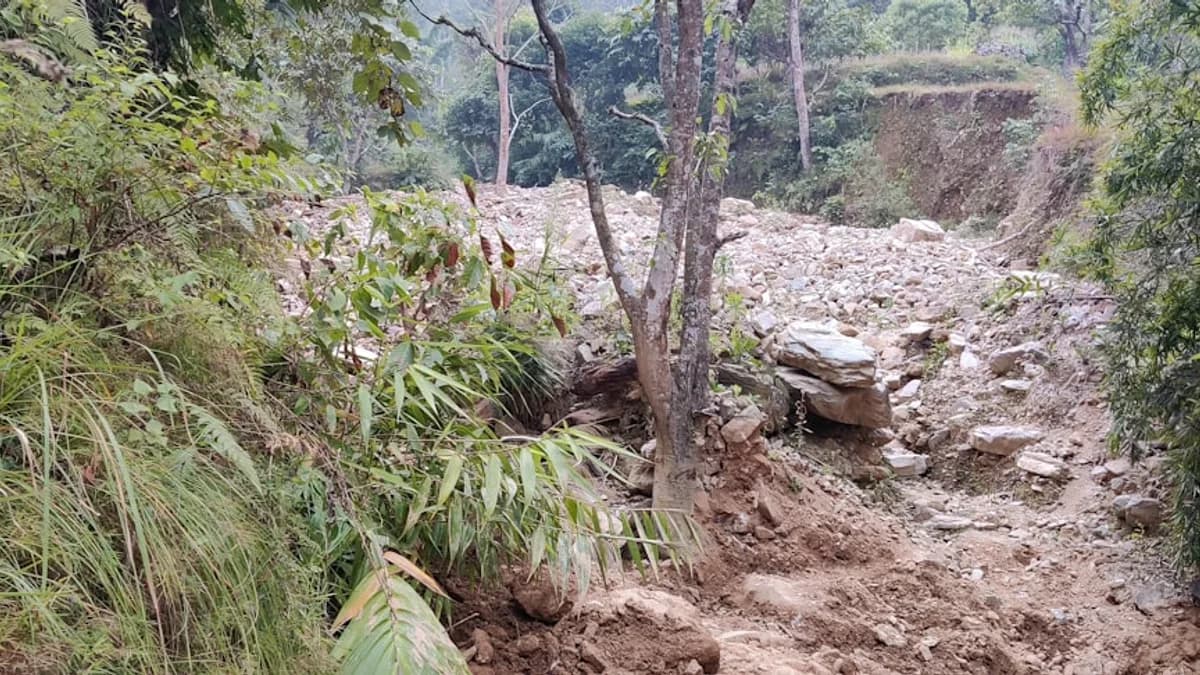
Severe Floods and Landslides Claim 18 Lives in Kenya Amid Heavy Rains
At least 18 people have been killed as relentless rains pummel Kenya, triggering deadly floods and landslides across multiple counties. The death toll climbed on Friday as emergency teams recovered more bodies from collapsed homes and swept-away vehicles, according to Al Jazeera. The hardest-hit regions include West Pokot and Elgeyo Marakwet, where entire villages have been cut off and roads obliterated.
Landslides struck just before dawn, flattening houses as families slept. Rescue teams scrambled to reach survivors, often wading through chest-high water or dodging unstable slopes. The Kenya Red Cross reported dozens missing and hundreds displaced, with the numbers climbing as rains continue.
Local authorities declared states of emergency in several counties by midday Friday. Military units were deployed to assist in evacuations and distribute food, while hospitals braced for a surge in trauma patients. In Nairobi, officials warned residents in low-lying neighborhoods to prepare for possible evacuation as the forecast showed no relief in sight.
How Continuous Rainfall is Worsening Flood Risks and Disrupting Communities in Kenya
Weeks of unbroken rainfall—fueled by the Indian Ocean Dipole—have left soil saturated and rivers swollen, turning minor streams into torrents. Meteorologists say the current wet season has already dumped 40% more rain than the five-year average for April and May. That much water, so quickly, overwhelms Kenya’s patchwork flood defenses.
Infrastructure is buckling under the strain. Washed-out bridges and impassable roads have stranded entire towns in the Rift Valley and Western regions. In Kisumu, local officials estimate at least 5,000 homes have been flooded, forcing families to camp in schools and churches. Crops are submerged, raising the specter of food shortages in the coming weeks.
Rescue efforts are slowed by landslides blocking access to remote villages. “We can hear people calling for help, but we cannot reach them because the road is gone,” a Red Cross worker said by phone. Eyewitnesses described mudslides burying homes in minutes, giving residents no chance to escape. The government has scrambled to airlift supplies, but with visibility low and runways flooded, deliveries are sporadic.
Kenya’s Next Steps: Emergency Measures and Long-Term Strategies to Mitigate Flood Damage
The government is rushing to provide emergency aid: tents, food rations, and medical supplies are moving into the worst-hit regions by convoy and helicopter. President William Ruto pledged rapid compensation for families of the deceased and funds for rebuilding destroyed homes. National police have set up checkpoints to prevent looting in evacuated areas.
Meteorologists expect heavy rains to persist for another week. Flash flood warnings remain in effect across the Rift Valley, Nyanza, and parts of central Kenya. The Ministry of Water is monitoring river levels hourly, warning businesses and residents downstream of the Tana and Athi to move to higher ground.
Longer-term, Kenya’s vulnerability to extreme weather is only rising. The government faces pressure to accelerate infrastructure projects stalled for years—like the stalled Itare Dam and delayed urban drainage upgrades in Nairobi. Disaster planners are pushing for new zoning laws to restrict construction in high-risk floodplains and expand community early warning systems.
For now, businesses with supply chains through western Kenya should brace for continued disruption, as major highways remain closed and cargo delayed. Residents in flood-prone areas should prepare for evacuation orders and monitor official updates. With climate scientists warning that wetter wet seasons are the new normal for East Africa, Kenya’s next moves will have to go beyond emergency patchwork—building resilience before the next deluge strikes.
Impact Analysis
- Extreme weather is causing deadly floods and landslides, disrupting daily life across Kenya.
- Infrastructure failures and mass evacuations highlight the urgent need for improved disaster response.
- Above-average rainfall threatens food security and increases risk for vulnerable communities.