Why Iran’s Formal Control of Hormuz Threatens Global Oil Security
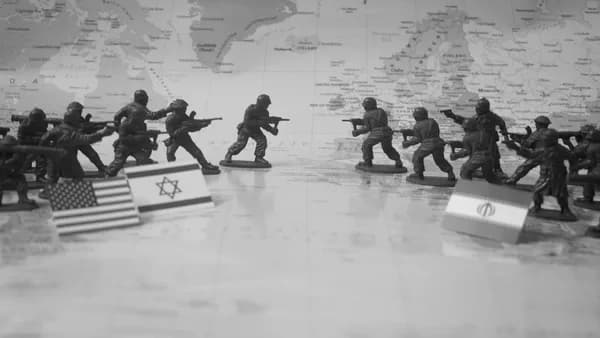
Iran didn’t just flex its muscles in the Strait of Hormuz—it formalized control over the world’s most critical oil chokepoint, directly challenging decades of US naval dominance. This isn’t symbolic. The Strait, barely 21 miles wide at its narrowest, channels nearly a third of all seaborne oil. By codifying its authority, Iran signals it’s prepared to turn the dial from posturing to enforcement, with the legal and military backing to match.
Tehran’s motivations are layered: First, it’s a direct response to US sanctions and the ongoing blockade, a move to regain leverage in negotiations. Second, it’s a warning shot to regional rivals, especially Saudi Arabia and the UAE, who rely on this passage for their energy lifeline. With formal control, Iran gains a diplomatic trump card—it can threaten, regulate, or even halt shipments under the banner of sovereignty rather than rogue action.
Immediate risks spike for every oil-importing country. If Iran decides to enforce inspection protocols or restrict passage, the likelihood of military confrontations between Iranian forces and US or allied navies jumps. Even the threat of stricter controls rattles markets: insurance premiums surge, shipping companies reroute, and traders price in new volatility. As CryptoBriefing reports, this escalation isn’t business as usual—it’s a structural shift with global consequences.
Quantifying Hormuz’s Role: Oil Flow, Market Impact, and Economic Stakes
The Strait of Hormuz isn’t just a geopolitical flashpoint—it’s the artery for 20% of the world’s daily oil supply. According to the US Energy Information Administration, an average of 21 million barrels per day passed through Hormuz in 2022. That’s more than the combined output of the US and Russia, and it feeds the economies of Asia, Europe, and North America.
Disruptions here aren’t hypothetical. In 2019, when Iran seized tankers and threatened closure, Brent crude spiked 11% in a week. During the 1980s “Tanker War,” insurance costs and shipping rates tripled overnight. Every time the Strait faces real or perceived threats, the oil futures market reacts instantly: a one-day closure could send prices past $150/barrel, dwarfing the $120 spikes seen during the Arab Spring or the 2022 Russia-Ukraine invasion.
Economic stakes extend far beyond oil exporters. Japan, South Korea, and India import 80-90% of their crude via Hormuz. For these economies, a prolonged disruption isn’t just about higher prices—it’s about outright supply shortages, inflation, and industrial slowdowns. The ripple effect hits everything from petrochemical production to aviation fuel and consumer goods. Energy firms, meanwhile, see their risk management costs balloon as they scramble for alternative routes and insurance. In the past, even rumors of restrictions here have wiped billions off the market caps of oil majors and triggered selloffs in broader equity indices.
Diverse Stakeholder Reactions: US, Iran, Regional Powers, and Global Markets
Washington isn’t treating Iran’s formalization as a bluff. The Pentagon has already increased patrols, deployed additional naval assets, and signaled willingness to “ensure freedom of navigation,” a phrase that’s code for potential confrontation. Diplomatically, the US is rallying allies for coordinated responses, but cracks are showing: some European states, heavily dependent on Gulf oil, urge restraint to avoid escalation.
GCC countries, especially Saudi Arabia and the UAE, are anxious. Their economies hinge on stable Hormuz passage, and they’re quietly lobbying for increased US naval protection while exploring diplomatic channels with Tehran. Oman and Qatar, traditionally more neutral, are positioning as mediators, fearing that any conflict will spill into their territorial waters and disrupt LNG exports.
Global oil consumers—China, India, Japan—are pressing for immediate de-escalation. Energy firms from BP to Sinopec are revising risk assessments and hedging futures positions in anticipation of supply disruptions. Asian refiners, in particular, are stockpiling reserves and negotiating alternative contracts, while European companies are recalibrating their shipping insurance portfolios. Markets aren’t waiting for shots to be fired: futures volatility has jumped, and options pricing reflects a growing risk premium.
Historical Patterns of Control and Conflict in the Strait of Hormuz
Iran’s formal control marks a departure from past tactics, which relied on proxy actions and deniable threats. In the 1980s, Tehran used the IRGC Navy and mines to disrupt traffic, sparking the US-led “Operation Earnest Will” to escort tankers. Outcomes were mixed: while oil still flowed, costs soared and several ships were damaged or sunk.
The 2011-2012 sanctions era saw Iran threaten outright closure, but it never moved beyond rhetoric, mainly due to US deterrence and internal economic pressures. In 2019, the seizure of British and other flagged vessels triggered a brief, sharp oil spike but didn’t lead to sustained disruption. Each time, the threat of Hormuz closure proved enough to move markets, even when the Strait remained technically open.
What sets today’s move apart is the legal foundation. Iran is embedding control into its national framework, not just relying on military posturing or deniable actors. This increases the risk of escalation—any enforcement action now carries the weight of state policy, not just rogue maneuvering. Historical precedent suggests the market is hypersensitive to even minor incidents, and formalization magnifies the risk: if Iran acts, it won’t be a one-off, but the start of a new operating environment.
Implications for Energy Security and Oil Price Stability in a Volatile Region
Iran’s move forces a rethink of global energy security frameworks. US and EU strategies have long assumed Hormuz’s openness, backed by military deterrence and diplomatic pressure. Now, those assumptions are crumbling. Supply chain resilience is exposed: even diversified routes like the SUMED pipeline in Egypt or Saudi Arabia’s East-West pipeline can’t fully offset a Hormuz disruption, which would cut off nearly half of Asia’s oil imports.
Oil pricing dynamics are already shifting. Futures contracts for Brent and WTI are pricing in higher volatility, with risk premiums up by 20% since Iran’s announcement. Investor confidence in energy equities is shaky—fund managers are trimming exposure to Gulf producers and doubling down on US shale, Canadian sands, and African suppliers. Insurance and shipping costs are rising, particularly for vessels transiting the Strait, as underwriters factor in new geopolitical risk.
Alternative energy routes and diversification strategies are getting renewed attention. China is accelerating investments in its westward pipelines and strategic reserves; India is seeking longer-term contracts with Russia and Brazil. EU states are pushing for faster renewable adoption—not just for climate reasons but for geopolitical hedging. The message is clear: Hormuz is now a single point of failure that can no longer be ignored.
Forecasting the Future: Potential Scenarios for Hormuz Control and Global Oil Markets
Best-case scenario: Iran uses formal control as a bargaining chip, extracting concessions in sanctions relief or regional negotiations without disrupting flows. US and GCC navies maintain deterrence, and oil prices stabilize after an initial spike. Markets adjust, but the threat recedes into the background.
Worst-case scenario: Iran enforces inspections or restricts passage, triggering skirmishes with US or allied ships. Oil shipments drop by 30% or more, prices soar past $150/barrel, and global supply chains seize up. The US is forced to choose between escalation and negotiation, while China and India scramble for alternative suppliers. Investors dump energy equities and rotate to safe havens, triggering broader financial volatility.
The most likely outcome sits somewhere in between. Prolonged tensions force the US to recalibrate its Gulf presence, potentially shifting toward risk-sharing with regional allies and greater reliance on remote deterrence. International alliances—especially between Asian importers and Gulf states—tighten as energy security becomes a top diplomatic priority.
Emerging trends: Energy geopolitics is entering a new phase where chokepoints like Hormuz are not just military flashpoints but legal battlegrounds. Market responses will hinge on the interplay between state policy, naval posturing, and the ability of energy firms to adapt supply chains. Traders will keep pricing in higher volatility until a new equilibrium emerges.
For industry players and governments, the actionable takeaway: diversify your supply, reinforce shipping insurance, and monitor Tehran’s next moves. Iran’s formal control isn’t a headline—it’s a new operating reality for global energy markets.
Impact Analysis
- Iran’s formal control raises the risk of shipping disruptions and price volatility for global oil markets.
- US and allied naval dominance is directly challenged, increasing chances of geopolitical confrontation.
- Countries dependent on Hormuz oil face heightened economic and energy security risks.