US Air Force Cargo Planes Arrive in Beijing Signaling High-Stakes Trump-Xi Summit
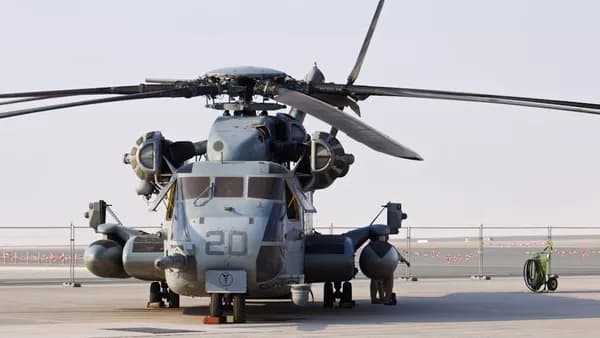
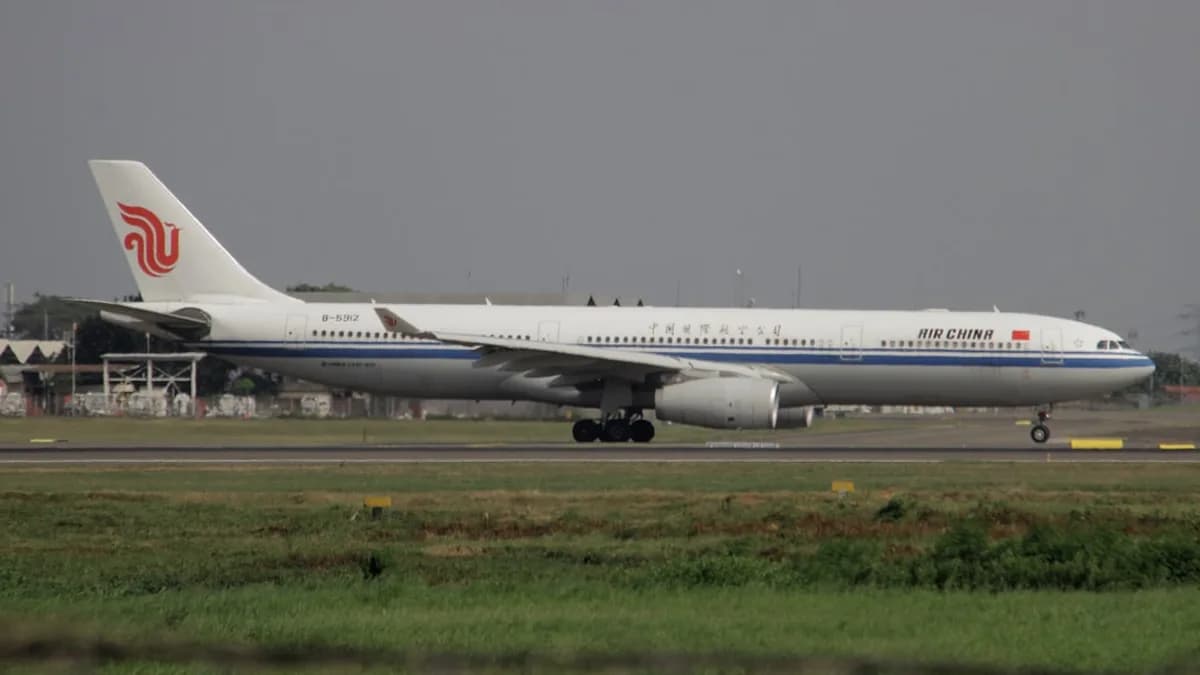
Two US Air Force C-17 Globemasters landed at Beijing Capital International Airport on Thursday, marking the most visible prelude yet to the upcoming summit between former President Donald Trump and Chinese leader Xi Jinping. The arrival, confirmed by multiple flight-tracking sources, signals the U.S. is not leaving logistics—or security—to chance as both sides brace for the most consequential bilateral talks since the height of the trade war, according to CryptoBriefing.
The C-17s, typically used for rapid deployment of personnel and sensitive equipment, touched down in the pre-dawn hours. Local authorities ringed the tarmac with armed police and military vehicles, underscoring the summit’s high security profile. U.S. diplomatic staff and Secret Service agents were seen coordinating with their Chinese counterparts, while Chinese state media offered only terse confirmation of the arrivals—signaling official wariness around any show of American military presence.
White House sources describe the logistics as “routine but essential,” while Chinese Foreign Ministry officials called for both sides to “create a constructive atmosphere.” That’s a marked shift from last year’s public sparring over spy balloons and Taiwan, suggesting both governments are intent on projecting stability ahead of the summit.
Strategic Implications of Military Logistics Amid Rising US-China Tensions
The rare visibility of US Air Force cargo planes on the ground in Beijing sends a pointed message: Washington is treating this summit as a matter of national interest, not just political theater. In diplomatic circles, the size and type of military aircraft dispatched are read as signals—C-17s are not just for show; they can carry everything from armored vehicles to encrypted communications suites.
This strategic footprint comes as US-China relations sit at their most brittle since normalization in 1979. The past year alone has seen tariffs snap back into focus, Chinese fighter jets buzz US ships in the South China Sea, and the US Congress advance a raft of tech export controls. The Biden administration’s attempts at detente—Secretary of State Blinken’s visit last summer, Treasury Secretary Yellen’s repeated overtures—have yielded little more than photo ops and press releases.
The latest military logistics underscore that Washington expects the unexpected. Flashpoints like Taiwan, cyber intrusions, and semiconductor access are all on the summit agenda. For Beijing, allowing visible US military transport on its soil is a calculated risk—one that could backfire domestically if painted as acquiescence, but signals externally that China is willing to engage at the highest levels.
The choreography also matters for third parties. European and Asian markets, already jittery from the ongoing chip war and tit-for-tat sanctions, are watching for any hint of escalation or breakthrough. In past summits, such as Trump’s 2017 Beijing visit, the US brought a similarly heavy security and logistical presence, but the political backdrop was less volatile. Now, even the movement of cargo planes is scrutinized for diplomatic intent.
The US military’s arrival is also a signal to domestic audiences on both sides. For Trump, known for his transactional approach, projecting strength ahead of negotiations is part of the brand. For Xi, the willingness to host under such conditions suggests confidence in managing both optics and substance—a key consideration as he consolidates power post-Party Congress.
What to Expect Next: Key Issues and Potential Outcomes from the Trump-Xi Summit
With the world’s two largest economies squaring off, the summit agenda is crowded: trade tariffs, fentanyl shipments, Taiwan’s status, and the ongoing battle for AI and semiconductor supremacy. US officials have flagged tech access and intellectual property as non-negotiables. Chinese negotiators are expected to push for tariff relief and guarantees against new export bans.
A breakthrough could see tariffs rolled back or new guardrails established for tech investment—moves that would ripple through global supply chains and markets overnight. Conversely, a breakdown would likely trigger fresh sanctions, with Wall Street bracing for heightened volatility. The last time the two leaders met, the 2018 handshake truce lasted mere months before relations soured and the S&P 500 shed nearly 10% on renewed trade war fears.
Analysts warn that any agreement will be scrutinized for enforcement mechanisms, not just intent. The US Chamber of Commerce and major tech firms are already lobbying for clear timelines and dispute resolution tools, wary of past deals that fizzled in implementation.
The summit’s aftermath will set the tone for follow-on meetings—possibly at the G20 or APEC—and shape the regulatory risk environment for years. Expect immediate readouts from both sides, but the real test will be whether working groups are empowered to hammer out details or whether the summit serves as little more than a reset button.
Investors, diplomats, and CEOs should be watching not just the communiqués, but the schedule of follow-up talks and the tone of official leaks. The world’s largest bilateral relationship is at an inflection point—and the runway for compromise is shorter than ever.
Impact Analysis
- The arrival of US Air Force cargo planes highlights the heightened security and logistical stakes of the Trump-Xi summit.
- Visible military coordination signals a shift toward stability and constructive engagement between the US and China after recent tensions.
- The event underscores how international diplomacy increasingly relies on strategic military assets to project seriousness and safeguard negotiations.