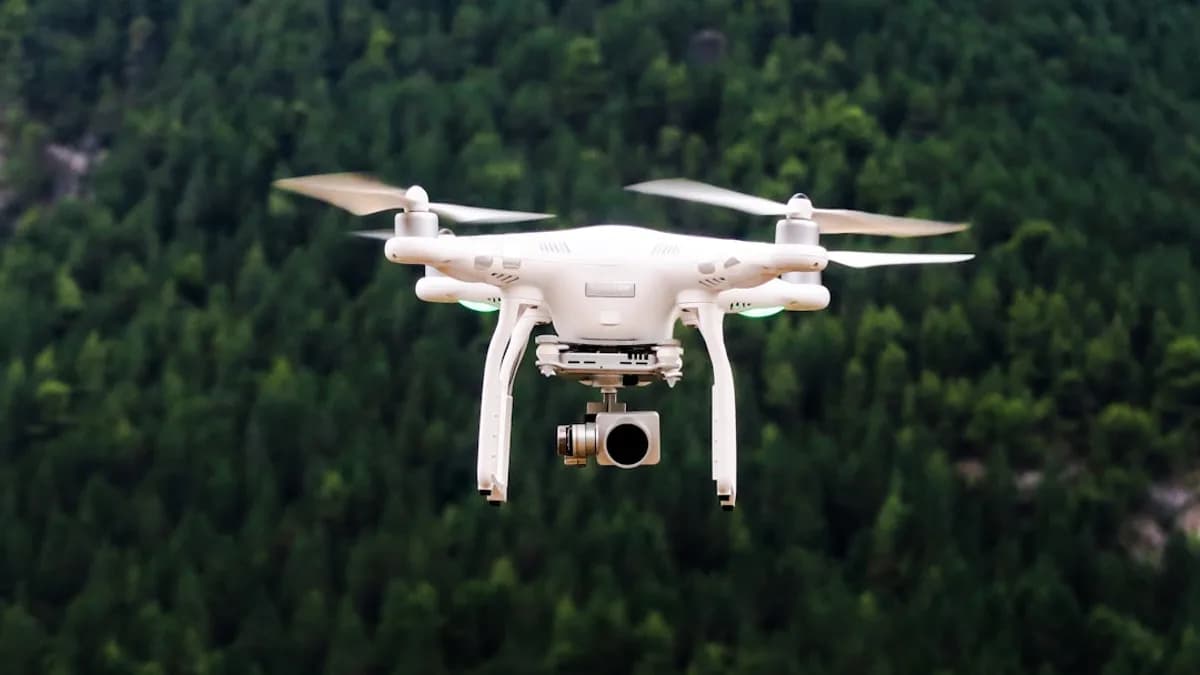
Surge in Drone Threats Raises Alarm in Baltic States and Finland
A spike in drone sightings over military sites and critical infrastructure in Estonia, Latvia, Lithuania, and Finland has set off security alarms across the region. Reports of unauthorized drones began surfacing in early May, with the pace accelerating through June, according to CryptoBriefing. Incidents include low-flying drones near airbases outside Tallinn and Riga, as well as close passes over Finnish energy facilities near the Russian border.
Authorities haven’t named suspects, but defense officials in all four countries have pointed to possible Russian involvement. The timing tracks with recent Kremlin threats against NATO infrastructure and follows a year of hybrid attacks—sabotage, cyber incursions, and GPS jamming—blamed on Moscow. The drones’ primary targets: military depots, radar stations, and energy assets that would be critical in any regional conflict.
Immediate responses have been sharp. Latvia scrambled fighter jets twice in the last week after drone incursions near Siauliai Air Base. Finland deployed electronic countermeasures around its Vyborg border region, while Estonia has placed air defense units on alert for low-altitude threats. NATO’s Baltic Air Policing mission has added drone detection to its standard sorties.
Heightened Regional Tensions Amplify Risks of NATO-Russia Confrontation
The surge in drone activity doesn’t just rattle local nerves; it directly heightens the risk of a military miscalculation between NATO and Russia. The Baltic states and Finland represent NATO’s most exposed flank, a 1,340-kilometer stretch bordering Russia where any incident can escalate fast.
Recent drone events add a layer of ambiguity that traditional airspace violations lacked. Drones are harder to attribute and easier to deny. That’s a dangerous mix in a region where Russian Su-27s have already breached NATO airspace six times this year, per Estonian defense data. Baltic capitals warn that repeated drone incursions could force a shootdown—an act that risks direct confrontation if Moscow claims sovereignty.
NATO has responded with public warnings. Secretary General Jens Stoltenberg called the drone threats “unacceptable provocations” after a meeting in Vilnius last week. Russian officials, meanwhile, dismissed allegations as “hysteria” and accused NATO of stoking tensions with forward deployments.
The strategic stakes are high. Energy corridors, troop logistics, and air defense radars in the Baltics and Finland underpin NATO’s ability to reinforce the region in a crisis. Disrupting or surveilling these with drones hints at war-gaming—testing response times and electronic defenses before a potential conflict. Analysts at the International Institute for Strategic Studies note that the pattern mirrors Russia’s hybrid tactics in Ukraine’s Donbas before the 2022 invasion: drones, sabotage, and plausibly deniable incursions.
Monitoring Developments and Preparing for Potential NATO-Russia Escalation
NATO and Baltic defense ministries are racing to close the drone gap. Estonia has fast-tracked procurement of anti-drone systems from Israel’s Rafael and Germany’s Hensoldt, with deliveries expected by fall. Latvia and Lithuania are integrating commercial drone jammers into border patrols, while Finland has begun joint exercises with UK and US units focused on drone swarm scenarios.
The next weeks will be crucial. A major NATO exercise—BALTOPS 24—runs through late June, drawing 50 ships and 90 aircraft to the Baltic Sea. Both Western and Russian intelligence will be watching for any “accidents” or escalations involving drones. A shootdown, crash, or sabotage event could trigger Article 4 consultations, or worse, if attribution points to state actors.
Key indicators to monitor include: further increases in drone overflights near military or energy infrastructure, public statements ratcheting up blame or threats, and any shift in Russian or NATO force posture. Satellite activity and electronic warfare signals in the region are also under close watch by open-source analysts.
This spike in drone threats forces Europe to confront the next frontier of hybrid warfare. Ambiguity is a weapon, and the margin for error in the Baltic region just got thinner. Investors in defense tech, energy infrastructure, and insurers covering cross-border assets should recalibrate risk models—these incidents are no longer theoretical.
Why It Matters
- Drone incursions near military and energy sites increase the risk of accidental NATO-Russia escalation.
- Baltic states and Finland are rapidly enhancing regional defenses amid rising hybrid threats.
- Difficulty in attributing drone incidents makes diplomatic and military responses more complicated.