Introduction: The Epic Battle Between Curtis Blaydes and Josh Hokit at UFC 327
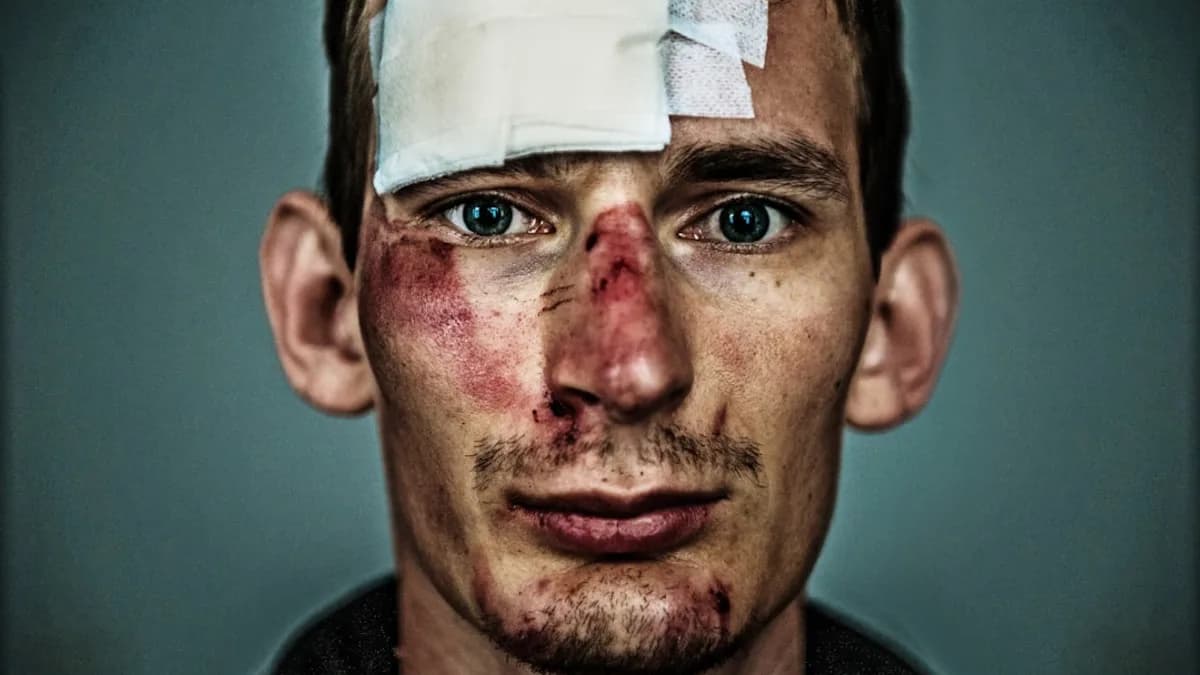
UFC 327 delivered one of the most unforgettable heavyweight clashes in recent memory. Curtis Blaydes and Josh Hokit entered the octagon with everything on the line, battling not just for victory but for the future of the division itself. The fight was marked by extraordinary intensity, with both men enduring punishing blows and ultimately leaving the arena for the hospital. Blaydes, in particular, fought through two significant injuries—a fractured orbital bone and a broken nose—while Hokit managed to push him to his limits, breathing new life into the heavyweight scene [Source: Source]. Their war showcased the raw courage and resilience that defines mixed martial arts at its highest level. For fighters and fans alike, the bout offered a masterclass in perseverance, and it sets a perfect stage for exploring how professionals fight through injuries when the stakes could not be higher.
Understanding Common Injuries in MMA: Lessons from Blaydes vs. Hokit
Curtis Blaydes’ battle with Josh Hokit at UFC 327 was not just a test of skill but of sheer physical endurance. Blaydes suffered a fractured orbital—a break in the bone surrounding the eye socket—and a broken nose, both of which are high-risk injuries in the world of MMA [Source: Source]. These injuries can severely impact vision, breathing, and overall performance, making every moment in the cage a struggle against both the opponent and the body’s own limitations.
Heavyweight fighters, due to their size and power, are especially prone to severe injuries. Common ailments in this division include facial fractures, concussions, hand breaks, and rib injuries. The sheer force behind punches and kicks means that even the toughest athletes can find themselves compromised mid-fight.
Beyond the physical pain, fighters face mental challenges. The agony of a fractured orbital can cause blurred vision, dizziness, and a heightened risk of further damage. A broken nose makes breathing difficult, disrupts focus, and increases vulnerability to follow-up strikes. During a high-stakes bout, the mental battle becomes just as important as the physical one. Fighters must manage adrenaline, fear, and the temptation to quit, all while making split-second decisions that could determine the outcome of the fight.
The Blaydes-Hokit war was a vivid illustration of what heavyweight MMA athletes endure. It’s a reminder that every punch thrown and absorbed has consequences, demanding a unique blend of toughness, preparation, and strategic adaptation.
How to Prepare Mentally and Physically to Fight Through Injuries
The ability to fight through injuries like Curtis Blaydes did at UFC 327 isn’t just about physical strength—it’s rooted in mental preparation and resilience. Mental toughness is a cornerstone of elite MMA. Fighters must cultivate unwavering focus and a refusal to succumb to pain, even when injuries threaten to derail performance [Source: Source].
Training for resilience starts long before fight night. Fighters often use simulated adversity in their camps, such as sparring with minor injuries or under fatigue, to prepare their minds for the unpredictability of a real bout. Pain tolerance is built through repeated exposure to discomfort, teaching athletes to compartmentalize pain and stay locked on their strategy.
Visualization techniques are also key. Fighters mentally rehearse scenarios where they are hurt, imagining how they would respond and adapt. This mental rehearsal helps reduce panic and maintains clarity when adversity strikes.
Physical preparation is equally critical. Conditioning programs strengthen vulnerable areas of the body, and technical training focuses on defensive maneuvers to protect against common injuries. Fighters are also educated about injury risks and symptoms, empowering them to recognize when an injury may be too severe to continue.
Medical assessments play an essential role. Before a fight, athletes undergo rigorous checks to ensure they’re fit to compete. During training, they learn to listen to their bodies and differentiate between pain that can be managed and pain that signals danger. Coaches and medical staff help fighters understand when to push through and when to prioritize long-term health.
Ultimately, preparing to fight through injuries is about balance. It’s the interplay of grit, strategic awareness, and medical prudence—qualities that Blaydes exhibited under the brightest lights.
In-Fight Strategies for Managing Injuries Like Blaydes Did
When injuries strike during a bout, fighters must quickly adjust their tactics to survive and compete. Curtis Blaydes showcased several critical strategies at UFC 327, demonstrating how to manage injuries without sacrificing offensive potential [Source: Source].
Protecting Injured Areas: The first priority is defense. A fractured orbital or broken nose demands heightened awareness. Fighters will often keep their hands higher to shield vulnerable spots, minimize exposure, and avoid further damage. They may shift their stance or angle away from their opponent’s power side, reducing the chance of direct hits.
Tactical Adjustments: Maintaining offense is crucial, but fighters must be selective. For example, Blaydes likely altered his striking to avoid opening himself to counterattacks that could target his injuries. Grappling becomes a useful tool—clinching or wrestling allows fighters to control the pace and limit exchanges that expose injured areas.
Breathing and Movement Techniques: With a broken nose, breathing through the mouth becomes necessary. Fighters are trained to regulate their breath, keeping calm to prevent hyperventilation or fatigue. Movement is also modified; instead of darting in and out, a hurt fighter may stay at range or engage in close quarters, depending on the injury and opponent.
Communication with Corner and Referees: Open dialogue with the corner is vital. Fighters signal their status, ensuring coaches can adjust game plans or advise caution. Referees are trained to monitor injuries, and fighters must communicate if they’re in distress or if vision is impaired—this transparency protects athletes from catastrophic damage.
Psychological Strategies: Finally, the mental game continues inside the cage. Fighters use positive self-talk and focus on immediate goals, such as surviving the round or executing a specific technique. This approach helps block out pain and maintain competitive spirit.
Blaydes’ ability to adapt and manage his injuries on the fly is a testament to the depth of skill and preparation required at the elite level.
Post-Fight Recovery and Injury Management
Surviving a brutal bout with severe injuries is only the beginning—the real challenge often comes after the final bell. Following UFC 327, both Curtis Blaydes and Josh Hokit were sent directly to the hospital, a testament to the seriousness of their wounds [Source: Source]. Immediate medical attention is essential for facial fractures and other major injuries. Doctors use imaging to assess damage, and surgical intervention may be needed to repair bones and restore function.
Rehabilitation is a multi-step process. Physical therapy helps fighters regain mobility and strength, while careful monitoring prevents complications like infection or recurring injuries. Rest and gradual return to training are crucial to ensure a full recovery.
Mental health is equally important. Fighting through pain and adversity can leave emotional scars. Many athletes work with sports psychologists to process trauma, rebuild confidence, and manage anxiety about future injuries. Support from coaches, teammates, and family is vital during this phase.
The recovery journey is a reminder that heroes in the cage are also humans, deserving of care and respect as they heal.
Conclusion: What Fighters and Fans Can Learn from the Blaydes-Hokit War
The Curtis Blaydes vs. Josh Hokit battle at UFC 327 was more than a fight—it was a showcase of resilience, adaptability, and respect for the dangers of MMA. Fighters can draw lessons in preparing for adversity, managing injuries intelligently, and prioritizing recovery to ensure longevity in the sport. Fans witnessed a revival in the heavyweight division, sparked by the courage and determination of two athletes fighting through pain [Source: Source]. Above all, the bout underscores the importance of respecting fighters’ sacrifices, understanding the risks they accept, and championing proper injury management both inside and outside the cage. The legacy of Blaydes-Hokit will inspire fighters and fans for years to come.