Introduction to the Fatal Incident Involving CIA Officers in Mexico
Two CIA officers died in a car crash in Chihuahua, Mexico after finishing a counternarcotics operation. The accident happened just hours after the team wrapped up work with Mexican authorities. The US government confirmed the deaths but kept details about the mission and the officers private. Mexico’s president, Andrés Manuel López Obrador, and Mexico City Mayor Claudia Sheinbaum quickly demanded answers. They want to know what the Americans were doing and why they were in the country. The crash has sparked questions about US intelligence work in Mexico and what comes next for both countries [Source: Google News].
Details of the Counternarcotics Operation and the Accident in Chihuahua
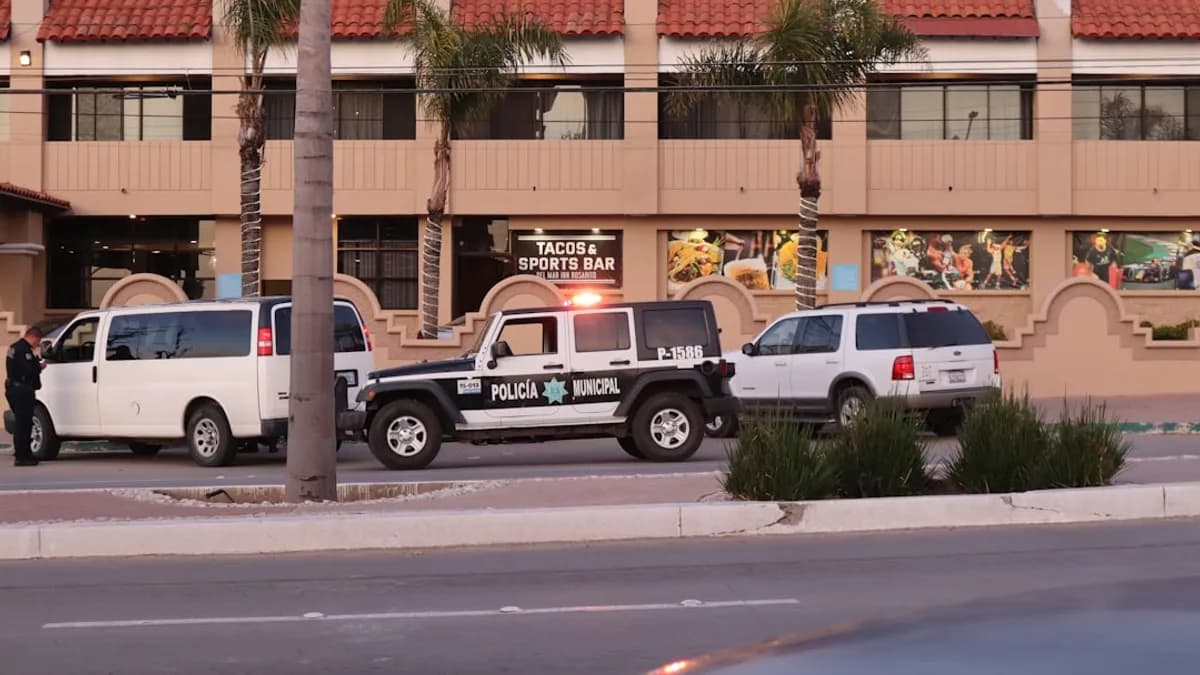
The two CIA officers were part of a group working with Mexican officials to fight drug trafficking in Chihuahua, a state known for cartel violence and border crossings. Their mission focused on stopping the flow of drugs, weapons, and money between Mexico and the US. The crash happened as the officers traveled back from the operation. Reports say their vehicle lost control on a mountain road, leading to a deadly accident that also injured others on board.
US officials have not released the names of the officers, citing security reasons. Both worked at the US Embassy and were trained for missions in high-risk areas. The CIA often sends teams to Mexico to help local police track cartel leaders and gather information on trafficking networks. These operations are sensitive and usually kept quiet to protect the people involved.
After the crash, US and Mexican authorities moved quickly to secure the scene and begin investigations. Mexican officials say the crash was an accident, but some local politicians question whether there might be more to the story. The sudden deaths of the officers have shined a light on the risks faced by Americans working in Mexico’s dangerous border regions [Source: Google News].
Reactions from Mexican Government and Calls for Transparency
Mexico’s president wants a full explanation from the US about the officers’ mission and their presence in Chihuahua. Claudia Sheinbaum, the mayor of Mexico City and now president-elect, echoed those demands. Both leaders say Mexico needs to know how foreign intelligence agents operate on its soil. They worry about sovereignty and whether US officials are following Mexican law.
The deaths come at a tough time for US-Mexico relations. Drug violence is rising, and both sides need each other to fight crime. But some Mexican politicians and media outlets have started asking hard questions. They wonder if the US is overstepping by sending spies and agents without telling Mexico everything. Stories in local newspapers point out past cases where US agents got into trouble or caused tension.
The public reaction in Mexico is mixed. Some people want US help to fight cartels, but others are upset about secret missions. The crash has pushed these feelings to the front, and social media is full of debates about whether Mexico should allow foreign spies. Calls for transparency are growing, and the pressure is on both governments to explain what happened and why [Source: Google News].
Analysis of the Role and Risks of US Intelligence Operations in Mexico
The CIA plays a big part in counternarcotics missions in Mexico. The agency collects information on drug cartels, helps train local police, and sometimes even supports raids on cartel hideouts. But these jobs are dangerous. Mexico’s northern states, like Chihuahua, are home to powerful gangs that fight over drug routes. US agents face real threats, from ambushes to kidnappings.
Sending American spies and officers into Mexico is nothing new. In the 1980s, the kidnapping and murder of DEA agent Enrique "Kiki" Camarena showed how risky these missions can be. Since then, the US has tried to work more closely with Mexico, but trust is always an issue. Some Mexican officials worry that US agents might act without permission or share too little information.
The crash in Chihuahua highlights how quickly things can go wrong. Even routine trips can be deadly when roads are rough and criminals are nearby. Unlike military operations, intelligence missions are often secret and small. That means fewer backup options if things go wrong. The CIA has rules to protect its people, but accidents and violence still happen.
This incident could change how the US and Mexico work together. Both sides want to stop drugs, but they don’t always agree on how. Mexico’s leaders are pushing for more openness and control over foreign agents. The US may need to rethink how it shares information and plans missions. Security experts say that better communication and joint training could help, but trust must grow first.
From a practical angle, this tragedy may force the CIA to tighten its procedures. More safety checks, clearer permission from Mexican officials, and better support for agents in the field could become standard. US agencies might also start using more technology—like drones and remote sensors—to cut down on risks. But the need for human intelligence won’t go away. Cartels change tactics often, and only people on the ground can spot those shifts.
Implications for US-Mexico Security Collaboration and Policy Adjustments
This crash could shift how the US and Mexico share intelligence. Right now, both sides work together but keep some secrets. After the deaths, Mexico may demand more control and oversight of US missions. The US could face stricter rules about where its agents go and what they do.
Operational protocols might change. The US may require all missions to be cleared by Mexican officials ahead of time. Mexican police could join more operations directly, instead of just sharing information. Both governments might set up new teams to review missions and handle accidents or emergencies.
Diplomats will likely meet soon to talk about the crash and its fallout. They will have to balance fighting cartels with respecting each other’s laws. If talks go well, the result could be stronger cooperation and safer missions. If not, the US may pull back its agents, and Mexico could limit American involvement.
This crash also affects bigger counternarcotics plans across Central America. The US supports programs in Guatemala, Honduras, and other countries to stop drugs before they reach the border. If Mexico changes the rules, other nations might follow. That could slow down efforts to fight trafficking and make it harder to catch cartel leaders.
For now, both sides need to review what happened and look for ways to prevent future accidents. Safety, trust, and clear rules will help. But drug violence is not going away, so the pressure to keep working together will remain.
Conclusion: Navigating the Complexities of International Intelligence Operations
The deaths of two CIA officers in Mexico show how hard and risky international intelligence work can be. Both the US and Mexico want to stop drug trafficking, but they need to find a balance between secrecy and honesty. Leaders in Mexico are asking for more transparency, while US officials try to protect their agents and missions.
This tragedy may lead to new ways of working together. Clearer rules, safer missions, and better communication could help. But trust takes time, and mistakes can have big costs. As both countries look for answers, they must also plan for the future. The fight against drug cartels depends on teamwork, careful planning, and a willingness to learn from tough lessons like this one. Readers should expect to see changes in how US agents operate abroad, with more focus on safety and openness. The story is still unfolding, and both governments will need to make choices that keep their people safe and their partnership strong.
Why It Matters
- The deaths highlight the dangers faced by US personnel working in Mexico’s high-risk regions.
- The incident raises questions about the scope and transparency of US intelligence operations in Mexico.
- It could impact future US-Mexico cooperation on counternarcotics efforts and cross-border security.