


Introduction: Japan’s Historic Shift in Arms Export Policy
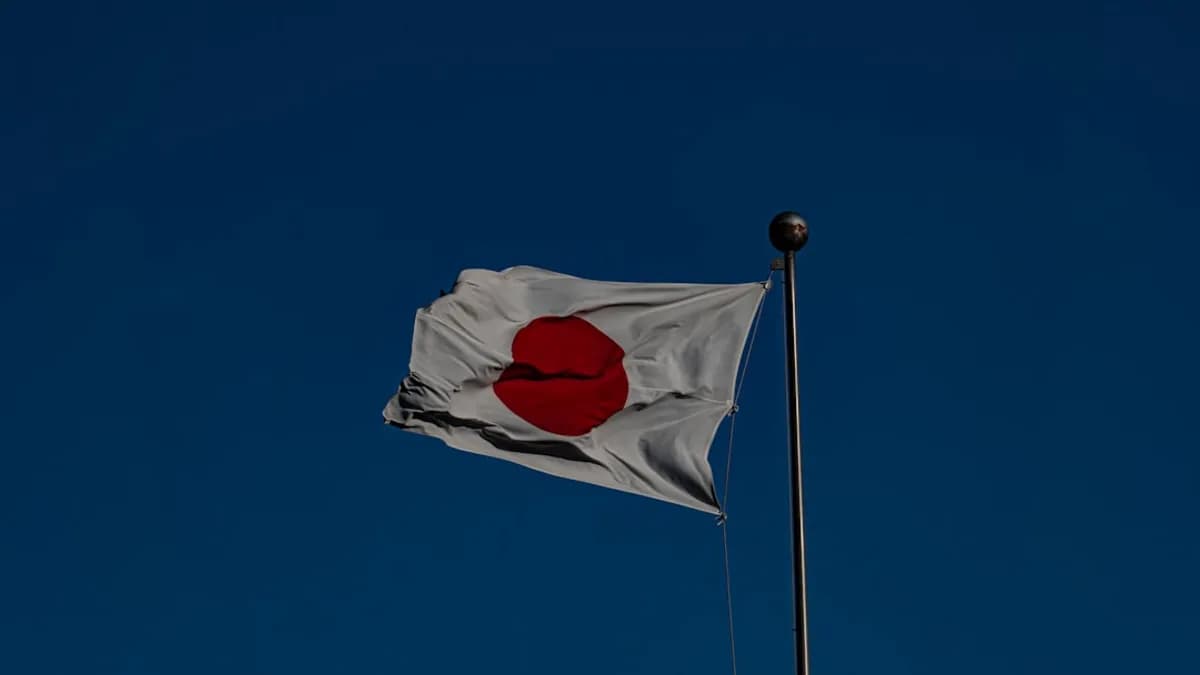
Japan just ended a ban that stopped it from selling lethal weapons to other countries. This ban started after World War II, when Japan promised to be peaceful and only defend itself. The government’s new decision lets Japanese companies sell weapons abroad, breaking with nearly 80 years of strict rules [Source: Google News]. The move marks a big change in Japan’s stance. It’s tied to worries about security in Asia, especially with China becoming stronger. Japan’s constitution, especially Article 9, has kept the country out of wars and limited its military. Now, Japan is stepping away from that old promise. This shift could change how Japan deals with threats, works with allies, and runs its economy.
Background: Japan’s Postwar Pacifism and Arms Export Restrictions
After World War II, Japan rewrote its constitution. Article 9 said Japan would not start wars or use force to solve conflicts. This became the heart of Japan’s pacifist policy. For decades, Japan’s leaders argued that selling weapons could pull the country into foreign wars. So, in 1967, Japan set up strict rules to stop exports of arms and military technology to any country involved in conflict or under sanctions.
There were small exceptions. Japan allowed exports of non-lethal equipment, like radar or transport vehicles. Sometimes, it sent defense gear to trusted partners for joint projects, but never lethal weapons. Even when Japan made advanced fighter jets or tanks, these stayed at home. The rules kept Japanese companies from joining the global arms market. Japan’s defense budget stayed low compared to neighbors like China and South Korea.
Recently, Japan loosened its restrictions a bit. In 2014, the government allowed exports for joint development projects with allies. Still, lethal weapons were off the table. The ban was seen as a symbol of Japan’s commitment to peace. Now, that symbol is changing.
Details of the New Policy: What the Lifting of the Ban Entails
The government’s new policy lets Japan export lethal weapons like missiles, fighter jets, and tanks. This means Japanese defense companies can now sell products to countries with which Japan has strong ties, such as the United States, Australia, and some European nations [Source: Google News]. Japan says it will only export to countries that are considered “friendly” and not involved in conflict.
The government explained the change by pointing to growing security threats. China’s military is getting bigger. North Korea keeps testing missiles. Russia’s war in Ukraine is making leaders nervous. Japan wants to help allies defend themselves and boost its own security by working together.
Economically, Japan also wants to help its defense industry. Until now, companies like Mitsubishi Heavy Industries and Kawasaki have missed chances to sell globally. By lifting the ban, Japan hopes to grow its defense sector and make new jobs. The policy includes rules to approve each export deal, so Japan says it will keep control and avoid risky sales.
Strategic Implications: Japan’s Role in Regional and Global Security
Japan’s new policy fits its changing security strategy. For years, Japan relied on the U.S. military for protection, but now it wants to play a bigger role. China’s navy and air force are growing fast. North Korea keeps launching missiles. Russia’s invasion of Ukraine has made Japan rethink how safe it really is.
By exporting weapons, Japan can strengthen ties with allies. For example, Japan could supply missile systems to Australia or work with the U.S. on fighter jets. This helps build stronger defense networks. It also lets Japan join joint projects and share technology, making its military more advanced.
Neighboring countries are watching closely. China worries that Japan may use its new power to shape the region. South Korea is concerned about an arms race. Both countries have their own histories with Japan, so the shift could cause tension.
Globally, Japan’s move shakes up the arms market. Japanese technology is known for being reliable and high-quality. Countries looking for alternatives to Russian or Chinese weapons may now turn to Japan. That could change how arms deals are made and who gets the most advanced gear.
Japan’s relationship with the U.S. is especially important. The U.S. has pushed Japan to take more responsibility for its own defense. By exporting weapons, Japan shows it’s serious about helping its allies. This could lead to more joint projects, like missile defense systems or aircraft. Japan may also work closer with NATO countries, especially as Europe faces new threats.
Still, Japan promises to keep its exports under control. It says the new rules will not let weapons go to countries at war or to groups that might use them for crime or terrorism. Japan’s leaders want to avoid fueling conflicts or hurting its reputation as a peaceful nation.
Economic and Industrial Impact: Boosting Japan’s Defense Sector
Opening up arms exports could help Japan’s defense industry grow fast. Companies like Mitsubishi, Kawasaki, and NEC make advanced technology, but they’ve been stuck selling only to Japan’s military. Now, they can reach bigger markets.
Japan’s defense exports are tiny compared to the U.S., Russia, or France. In 2022, Japan’s arms exports were less than $1 billion, while the U.S. sold over $100 billion [Source: Google News]. The new policy could push Japanese sales higher, creating jobs and helping the economy.
Selling weapons abroad also encourages companies to invest in new technology. They can make better products, compete globally, and lower costs by selling to more customers. This could help Japan stay ahead in fields like robotics, cyber defense, and missile systems.
But there are risks. The global arms market is crowded and competitive. Big players like the U.S., Russia, and China already have strong ties and long histories. Japan will need to prove its products are better and build trust. Some countries may worry about buying from Japan because of its history or because they don’t want to upset China.
Japan’s leaders also need to watch for challenges at home. Defense projects can be expensive and slow. The industry will need skilled workers, new factories, and strong research. If sales don’t grow as hoped, companies may struggle.
Domestic and International Reactions to the Policy Change
The decision to lift the ban has sparked debate in Japan. Many older people remember the horrors of war and worry about moving away from pacifism. Polls suggest that public opinion is split. Some groups, like the Japan Peace Committee, say the move breaks a promise made after WWII. They fear Japan could be dragged into foreign conflicts.
Other voices argue that Japan needs to protect itself and help allies. Defense advocates say the world is changing, and Japan must change too. Some politicians support the new policy, especially as threats from China and North Korea grow.
Political parties are divided. The ruling Liberal Democratic Party says the change is needed for security and the economy. Opposition parties warn that Japan could lose its peaceful reputation and make enemies.
International reactions are mixed. U.S. officials welcome Japan’s move, saying it helps build stronger alliances. European countries may see Japan as a new partner for defense projects. China and South Korea have raised concerns about an arms race and stability in Asia. Some countries in Southeast Asia are cautious, but interested in Japan’s technology.
Japan’s leaders say they will keep strict controls. Each export deal needs approval, and weapons won’t go to countries at war. They promise to protect Japan’s values and reputation.
Conclusion: Long-Term Consequences of Japan’s Shift Away from Pacifism
Japan’s choice to lift the ban on lethal weapons exports is a turning point. It ends decades of strict rules and changes how Japan deals with threats and its allies. The move could make Japan a bigger player in the global arms market and boost its economy. But it also raises tough questions about Japan’s identity and future.
Japan will need to balance its new role with its old promise of peace. The country faces risks—at home and abroad—as it steps into a new era. Over time, Japan may shape alliances, help defend partners, and develop new technology. But it must watch for challenges like public backlash, regional tension, and fierce competition.
For now, Japan has started a journey away from the pacifism that shaped its postwar history. How far it will go depends on its leaders, its people, and the world around it.
Why It Matters
- Japan's policy shift signals a major change in its postwar pacifist stance, affecting regional security dynamics.
- Allowing lethal arms exports opens new economic opportunities for Japanese defense companies in the global market.
- The move may strengthen Japan's alliances and reshape its role in international military cooperation.