U.S. Military Ends Mandatory Annual Flu Vaccination
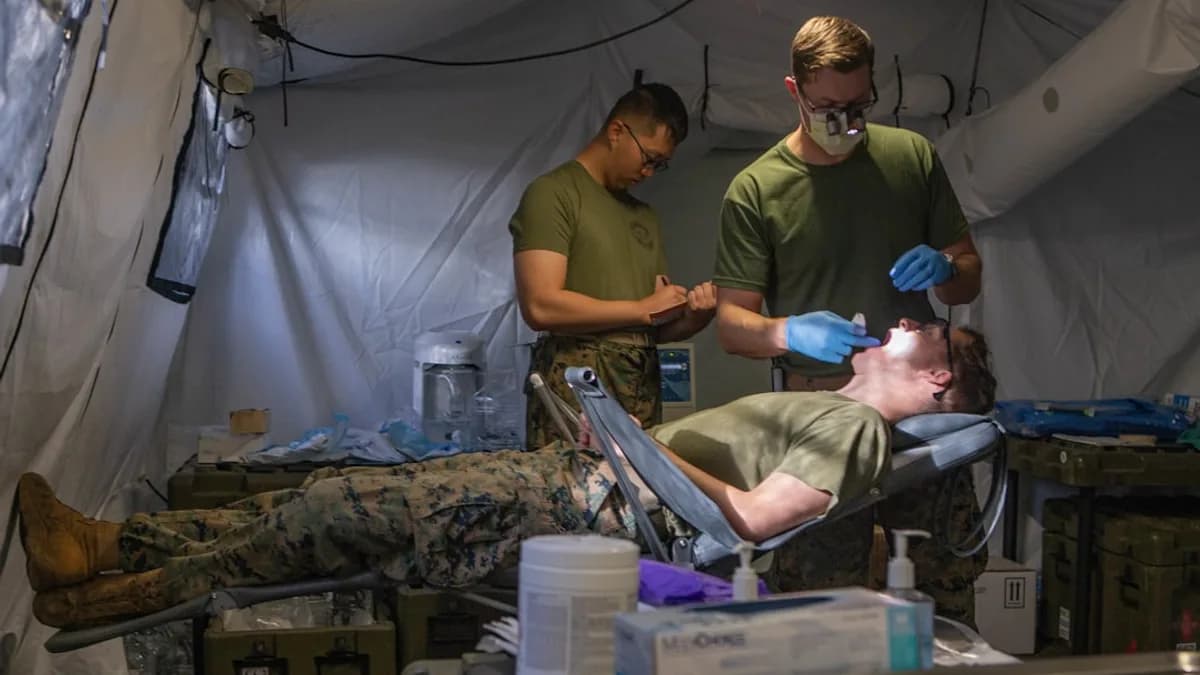
The U.S. military will no longer force service members to get a flu shot every year. Pentagon official Peter Hegseth announced the change, saying the policy takes effect right away [Source: Google News]. For decades, troops had to get the annual flu vaccine as part of standard health checks. Commanders enforced the rule strictly, and skipping the shot could mean trouble, including warnings and limits on assignments.
Now, the Department of Defense says the flu vaccine is optional. The move marks a big shift in how the military handles routine health protection. Soldiers, sailors, airmen, and marines used to line up for shots every fall. The new policy means those days are over—at least for the flu vaccine.
Details of the New Policy on Flu Vaccination in the Military
Under the new rules, service members can choose if they want the flu shot or not. Pentagon leaders say this gives troops more control over their own health [Source: Google News]. Hegseth called the old policy “absurd,” saying it treated grown adults like kids and wasted time. “We trust our people to make smart choices,” he said in a statement to reporters.
Branches like the Army, Navy, Air Force, Marine Corps, and Coast Guard will all follow the revised policy. Each branch will update its guidance so commanders can adjust health checks. Medical staff will still offer the flu vaccine at bases and clinics, but nobody will be forced to get it. Troops can ask for the shot if they want it, or skip it without penalty.
Pentagon officials say they looked at data and listened to feedback before making the change. Many service members complained that the flu shot felt unnecessary, especially if they had no history of bad flu seasons. Some argued that mandatory vaccines should be reserved for diseases that spread faster or pose more risk, like COVID-19 or measles.
The Pentagon says it will keep tracking flu cases and outbreaks. If a base or unit has a spike in flu cases, commanders can suggest—but not require—vaccinations. The Defense Health Agency will keep its flu education programs running, and troops can get advice from doctors about whether the shot is right for them.
Reactions from Military Leadership and Public Health Experts
Military leaders have mixed feelings about the new policy. Some commanders say it gives troops more freedom and respects their choices. “Our people know their bodies best,” one Army colonel told MLXIO. “We trust them to look out for themselves and their teammates.”
Others worry that skipping flu shots could put units at risk. The Air Force Surgeon General said, “If too many people skip the vaccine, we could see more sick days and less readiness.” Public health experts also warn that flu spreads quickly in close quarters, like barracks and ships. Dr. Sandra Lee, an infectious disease specialist, said, “The flu can knock out a whole unit for a week. Vaccines help keep troops healthy and missions on track.”
Some veterans support the change, saying they hated the “one-size-fits-all” rule. “I got the shot every year, and I never got sick,” said retired Marine Joe Briggs. “But I know plenty of folks who had bad reactions and didn’t want it.” Current service members are split. Some welcome the new freedom, while others plan to keep getting the shot for peace of mind.
The Centers for Disease Control and Prevention (CDC) still recommends annual flu shots for most adults [Source: Google News]. But the military isn’t alone in relaxing rules. Some police and fire departments have made flu shots optional, especially after the COVID-19 pandemic shifted focus to other health risks.
Context: Historical Overview of Flu Vaccination Requirements in the U.S. Military
The military started requiring flu shots in the 1940s, after World War II. Back then, the flu killed thousands of soldiers every year. The vaccine helped cut deaths and kept units ready for action. The policy was strict: every active-duty troop had to get the shot, unless they had medical reasons not to.
Commanders enforced the rule because the flu spreads fast in crowded places. Barracks, mess halls, ships, and training camps are perfect breeding grounds for viruses. The military saw annual flu shots as a way to protect both troops and missions.
Other government agencies, like the Department of Homeland Security, often recommend flu shots but don’t require them. In civilian life, most companies leave the choice up to workers, except for hospitals and nursing homes. The military has always been stricter, with more rules about health and fitness.
Analysis: Implications of Ending the Mandatory Flu Shot for Military Readiness and Public Health
Letting troops skip the flu shot could change how the military handles disease outbreaks. On one hand, giving people a choice may boost morale and trust. Service members often say they want more say in their health decisions. The policy could help the military recruit and keep people who dislike strict medical rules.
On the other hand, flu can hit hard. Every year, the CDC estimates up to 20% of Americans get the flu. For the military, even a small outbreak can mean lost training days, canceled missions, and extra costs for medical care [Source: Google News]. Troops often live and work close together, making them more likely to spread the flu without vaccines.
The risk grows during flu season, which runs from October to March. If fewer troops get vaccinated, base doctors may see more sick calls and hospital visits. Units could lose key members for days or weeks, slowing down operations. In past years, the flu has sidelined entire platoons, especially in basic training and on ships.
Making the vaccine optional could also affect how the military handles other diseases. Some experts worry that relaxing rules for the flu may lead to calls for dropping mandates for other shots, like tetanus or hepatitis. The Pentagon says it will keep required vaccines for diseases that pose bigger risks, especially those that can cause outbreaks or threaten missions.
The change comes just a few years after the military faced tough debates over COVID-19 vaccine mandates. Some troops refused the shot, leading to legal fights and policy tweaks. By making the flu shot optional, the Pentagon may be signaling a shift toward more flexible health rules.
Still, the military says it will watch for any rise in flu cases. If outbreaks grow, the policy could be revisited. Commanders will have tools to encourage vaccination, like education, but not force. The Defense Health Agency plans to track data and report trends to top leaders.
Conclusion: What the Policy Change Means for the Future of Military Health Protocols
The Pentagon’s decision to end the annual flu shot mandate is a big step. It gives troops more control over their health, but also raises new questions about keeping units safe and ready. The move might lead to more flexible rules for other vaccines and health checks.
Military leaders and health experts will watch closely to see if flu cases rise or units lose readiness. If problems appear, the policy could change again. For now, troops can choose the flu shot—and commanders will focus on education, not enforcement.
The big takeaway: military health rules are changing. The flu shot is now a choice, not a command. Future policies may follow this path, giving service members more say, but also more responsibility for their own health.
Why It Matters
- The new policy gives service members greater autonomy over their health decisions.
- It reflects changing attitudes about which vaccines should be mandatory for military readiness.
- Potential impacts on flu outbreak management and military public health will be closely monitored.