

Introduction to UK Inflation Surge in March 2024
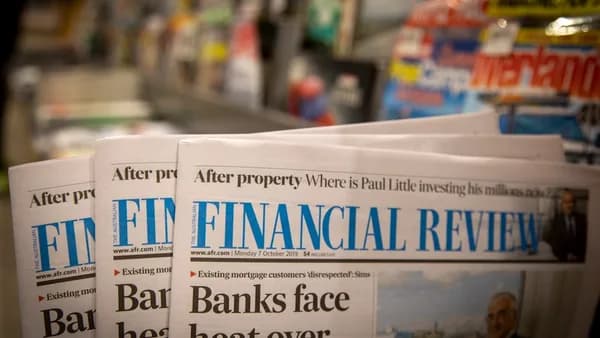
UK inflation shot up to 3.3% in March 2024, marking a big change for families and businesses. The main reason? Fuel prices jumped the most in over three years. This spike is closely tied to the war involving Iran, which is shaking up oil supplies and pushing up costs for petrol and diesel in the UK [Source: Google News]. When fuel costs rise, it touches almost everything—from groceries to bus tickets. The Iran war has rattled global energy markets, making it harder and more expensive for countries like the UK to get the oil they need. As a result, many people are feeling the pinch at the pump and in their daily lives. This isn’t just about numbers on a chart—it’s about real-world prices, paychecks, and economic uncertainty.
Understanding Inflation: What Does a 3.3% Rate Mean for the UK Economy?
Inflation measures how much prices go up over time. In the UK, it’s tracked using the Consumer Price Index (CPI), which checks the cost of things like food, fuel, clothes, and housing each month. When inflation is 3.3%, it means that, on average, prices are 3.3% higher than they were a year ago. This is a big jump compared to earlier months. Before March, inflation had stayed lower, often around 2% or less, which is the level the Bank of England aims for to keep the economy stable.
A 3.3% inflation rate is high for the UK. It’s the biggest number in more than a year and well above the Bank of England’s target. When inflation gets this high, everyday items cost more. For example, a loaf of bread or a litre of petrol is pricier, so paychecks don’t stretch as far. Businesses face higher costs for things like deliveries and supplies. This might lead them to raise their own prices or cut back on hiring. Over time, high inflation can make it harder for people to save money and plan for the future. It can also hurt those with fixed incomes, like pensioners, because their payments don’t go up with prices.
How the Iran War Has Triggered a Surge in Fuel Prices
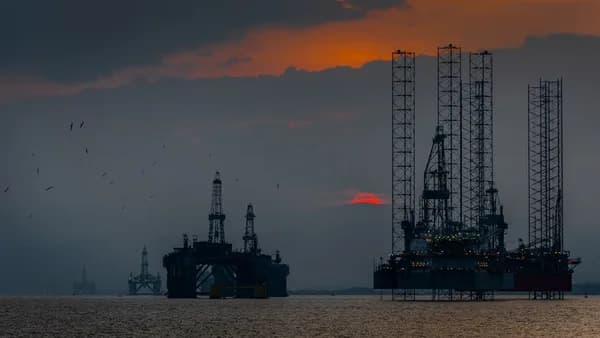
The war involving Iran has shaken the Middle East, one of the world’s main oil suppliers. Conflict in this region often means trouble for oil shipping routes, especially those that run through the Persian Gulf. When ships can’t move oil safely, the world gets less oil, and prices surge.
Crude oil is the raw material used to make petrol and diesel. When crude oil prices climb, so do costs at petrol stations. The Iran war has made markets nervous. Traders worry about a smaller supply, so they bid up prices. In March, oil prices hit levels not seen since 2022, when Russia invaded Ukraine and caused similar shocks.
For the UK, this means higher fuel prices almost overnight. Petrol and diesel cost more because refineries pay more for crude, and those costs get passed down to the consumer. For example, if oil goes from $80 to $100 a barrel, drivers can expect to pay more per litre at the pump. Businesses that rely on transport, like delivery services and supermarkets, also see costs rise. These increases then ripple through the economy, affecting the price of food, goods, and even services like taxis.
The Iran war isn’t just a local problem. It affects global oil supply and pricing, which means countries everywhere—including the UK—feel the impact. History shows that wars and unrest in oil-rich regions can lead to price spikes. The 1970s oil crisis, for example, drove up costs and led to inflation across Europe and the US. Today’s surge isn’t as dramatic, but it’s the biggest jump in years and reminds us how connected the world’s economies are.
Fuel Prices as the Main Driver Behind the Inflation Increase
Fuel prices rose faster in March 2024 than at any time in the past three years [Source: Google News]. This sharp jump wasn’t just a blip—it was the main reason inflation went up. When petrol and diesel prices rise, it costs more to transport goods. Delivery trucks, trains, and even planes all use fuel. Higher transport costs make groceries, clothes, and electronics more expensive.
For consumers, this means paying more at the checkout. For example, a family’s weekly shop might cost a few pounds more, mostly because it’s pricier to bring food from farms to stores. For businesses, each step in making and moving products costs more. Some companies might raise prices to cover these new costs, while others might cut back on new projects or hiring.
Fuel costs also hit public services. Buses and trains might raise fares, making travel more expensive for commuters. The ripple effect is wide. Even services that don’t use much fuel, like schools or hospitals, may see costs go up because their suppliers and staff are affected. When fuel prices surge, inflation follows, touching almost every corner of the economy.
Broader Economic Implications of Rising Inflation and Fuel Costs
Higher inflation and fuel prices mean tighter household budgets. People have to spend more just to keep up. For families, this might mean cutting back on treats, delaying big purchases, or worrying about making ends meet. The cost of living rises, but wages often don’t catch up as quickly.
Businesses face tough choices. When fuel is expensive, they pay more to run vans, heat buildings, and ship products. Some may pass those costs onto customers, leading to even higher prices. Others may try to absorb the increase, but that can squeeze profits and slow growth. Smaller businesses, like local shops and delivery firms, often feel the pain first.
The Bank of England watches inflation closely. If prices keep rising, it might raise interest rates to slow things down. Higher rates make loans and mortgages more expensive, which can help cool inflation but also make it harder for people and businesses to borrow money. The Bank faces a balancing act—too high rates can hurt growth, but too low rates can let inflation run wild.
Long-term, if inflation stays high, people may lose confidence in the pound. Savings are worth less, and investors might look elsewhere. The UK has seen inflation spikes before, like in the 1970s and early 1990s, but today’s economy is more global. Changes in oil prices or wars far away can have a big effect at home. Policymakers will need to watch for signs of trouble and act quickly if needed.
What Consumers Can Expect Moving Forward Amid Inflation Pressures
Fuel prices could stay high if the Iran war drags on. That means inflation may not come down soon. Experts say drivers should expect petrol and diesel costs to remain elevated for the next few months. Other prices may also rise, especially for goods and services linked to transport.
To manage these costs, consumers can shop around for the best fuel deals, use public transport more often, or look for discounts when buying groceries. Using less energy at home can also help cut bills. Some people may switch to online shopping or buy in bulk to save money.
The government may step in if things get worse. They could cut taxes on fuel, offer support to low-income families, or ask the Bank of England to adjust rates. In the past, officials have used these tools to help when prices surged. Keep an eye out for new measures or advice from regulators.
Conclusion: Navigating Inflation in a Geopolitically Uncertain Era
UK inflation jumped in March 2024, driven mainly by the largest fuel price surge in years as the Iran war shook global oil markets. Rising costs are hitting wallets and businesses, showing how events far away can change daily life at home. In times like this, it pays to stay alert, make smart choices, and watch for new government actions. Inflation may stay unpredictable until the conflict ends and oil supplies settle. For now, understanding what’s happening—and planning ahead—can help families and firms weather the storm.
⚠️ Disclaimer: This article is for informational purposes only and does not constitute financial advice. Always do your own research before making investment decisions.
Why It Matters
- Higher inflation means UK consumers face rising costs for essentials like fuel and food.
- Businesses struggle with increased expenses, which can lead to higher prices and reduced hiring.
- Global events, such as the Iran war, directly impact everyday life in the UK through fuel price surges.