
Introduction: Understanding the Impact of US-Iran Peace Talks on Oil Prices
Oil prices have jumped up and down as the future of US-Iran peace talks stays uncertain. Even small news about these talks can move prices by dollars in just hours [Source: Google News]. The reason is simple: Iran is a big oil producer, and the US is a major player in global politics. If the two countries make peace, oil could flow more easily. If talks fail, oil supplies might get cut or delayed.
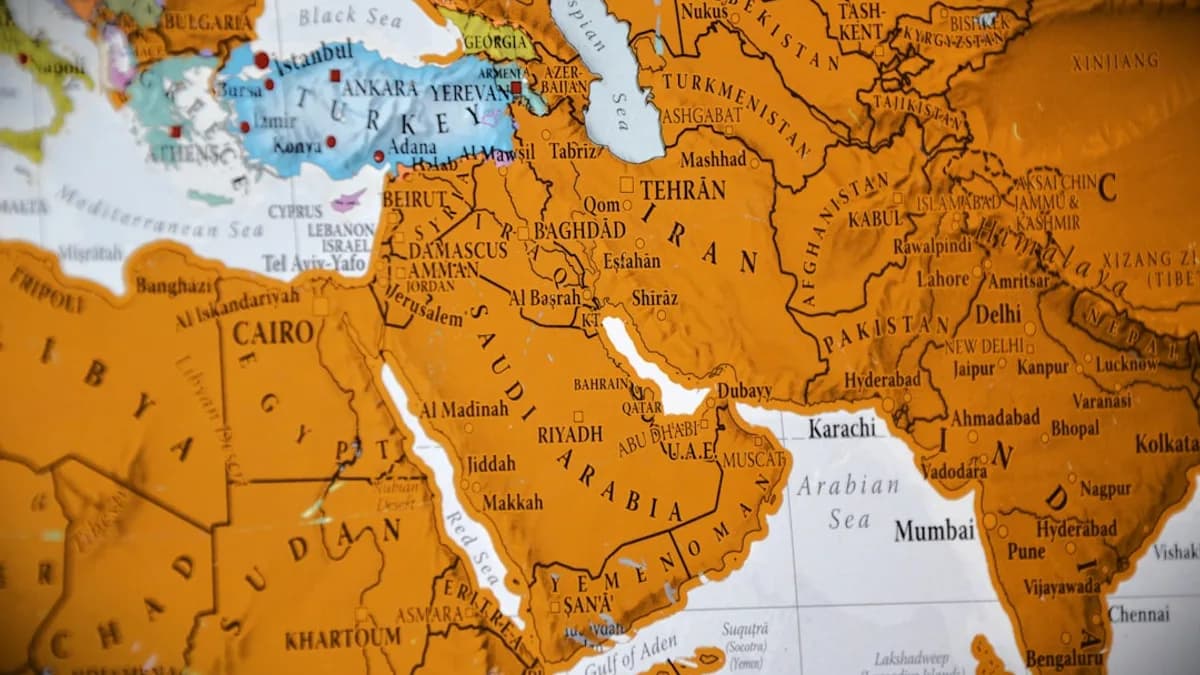
Most oil shipped from the Middle East travels through the Strait of Hormuz. This narrow waterway is like a busy highway for tankers. If something blocks it, oil prices can surge fast. That’s why investors, traders, and regular folks who buy gasoline pay close attention to news from the region.
This article will help you understand what moves oil prices when US-Iran talks are in the news. We’ll look at how to track key events, spot risks and opportunities, plan for different possible outcomes, and make smart choices even when the market feels wild.
How to Monitor Key Indicators Affecting Oil Prices During US-Iran Negotiations
Keeping an eye on oil prices starts with knowing what news matters most. When US and Iran officials meet, make statements, or clash, oil traders react. For example, when the US seized an Iranian ship, prices jumped as people worried the talks might break down [Source: Google News]. Sometimes, even rumors or tweets from leaders can make the market swing.
To follow these changes, use real-time platforms like Bloomberg, Reuters, or CNBC. These sites show oil futures and spot prices minute by minute. Futures prices tell you what traders think oil will cost in the coming weeks or months. Spot prices show how much a barrel costs right now.
The Strait of Hormuz is a key place to watch. About one-fifth of the world’s oil passes through this tiny channel. If violence or blockades happen, oil could become harder to get. Citi, a big bank, shared three possible scenarios: 1) the strait stays open, prices stay steady; 2) minor disruptions, prices rise moderately; 3) major blockages, prices could spike to levels not seen since the early 2000s [Source: CNBC].
Look for expert scenario analyses to help you guess where prices might go next. Read reports from banks, energy agencies, and trade groups. Compare how different experts see the same events. This way, you can spot trends before they become headlines.
How to Assess the Risks and Opportunities in Oil Trading Amid Geopolitical Uncertainty
When something big happens—like the US seizing an Iranian ship—oil supply can get tight fast. If Iran reacts by blocking exports or closing the Strait of Hormuz, prices could surge. But if talks make progress, prices may drop as traders expect more oil to flow [Source: Google News].
Watch how the market responds to both good and bad news. After a successful meeting, oil prices might dip as traders relax. If talks stall, prices tend to rise as buyers rush to lock in supply. Compare these reactions to past events. For example, in 2019, attacks on oil tankers pushed prices up more than 10% in a day.
Think about your investment goals. Are you looking for quick wins, or do you want steady returns over months or years? Short-term traders may buy and sell fast, hoping to profit from sudden swings. Long-term investors may wait out the noise, betting that prices will settle over time.
Use risk management tools to protect yourself. Set stop-loss orders to sell if prices drop too far. Diversify your portfolio by holding other assets, not just oil. Consider hedging with options or futures so you don’t lose big if the market turns against you. Always ask yourself: How much can I afford to lose if things go wrong?
How to Use Scenario Planning to Prepare for Different Outcomes of US-Iran Peace Talks
Scenario planning means thinking ahead about what might happen. Citi’s three scenarios for the Strait of Hormuz give a clear example [Source: CNBC]:
- Scenario 1: The strait stays safe and open. Oil prices stay mostly stable.
- Scenario 2: Small disruptions—like brief blockades or threats. Prices rise, but not too much.
- Scenario 3: Major conflict or closure. Prices could jump sharply, like they did during past wars in the region.
Build a plan for each scenario. If the strait stays open, you might buy oil stocks or ETFs, expecting steady gains. If there’s minor trouble, look for companies with strong supply chains or those that can pass higher costs to customers. If there’s a major disruption, consider safe-haven assets like gold or cash until things settle.
Stay flexible. Adjust your portfolio as new information comes in. If peace talks make progress, shift toward riskier assets. If tensions grow, move to safer bets. Use alerts and news trackers so you can update your plans quickly.
Remember, scenario planning doesn’t mean trying to guess the future perfectly. It means preparing for what you can control and being ready to act when the facts change.
How to Stay Informed and Make Timely Decisions During Volatile Oil Markets
The oil market moves fast, so you need good information. Follow several news sources—like Reuters, Bloomberg, and BBC—to get a full picture [Source: Google News]. Don’t rely on just one outlet, since each might miss parts of the story.
Set up alerts and notifications for breaking news about US-Iran talks, Strait of Hormuz incidents, or OPEC meetings. Use apps that track oil prices and send you updates when prices change a lot.
Listen to expert commentary and read market forecasts. Analysts often spot trends before they become clear to everyone else. Use their views to test your own thinking. But remember, no one is right all the time.
Keep a cool head. Don’t panic if prices surge or drop suddenly. Make decisions based on your plan, not your emotions. Review your trading or investment strategy often, and stay disciplined.
Conclusion: Navigating Oil Price Volatility Amid US-Iran Peace Talks with Confidence
Oil prices will keep swinging as US-Iran talks go on. You can handle these changes by watching key news, tracking market moves, and using scenario planning. Make sure you have a risk management plan and use good information from trusted sources.
Stay ready to change your strategy if new facts come up. The most successful investors and traders are the ones who stay informed, act calmly, and adapt quickly. As the peace talks evolve, keep your eyes open and your plans updated. That way, you’ll be ready for whatever comes next—and turn uncertainty into opportunity.
⚠️ Disclaimer: This article is for informational purposes only and does not constitute financial advice. Always do your own research before making investment decisions.
Why It Matters
- Oil price volatility affects consumer costs for gasoline and energy worldwide.
- Uncertainty in US-Iran talks introduces risks for global oil supply and economic stability.
- Understanding these dynamics helps investors and policymakers respond to sudden market changes.