Introduction: Overview of the Recent US-Iran Standoff in the Strait of Hormuz
A renewed standoff between the United States and Iran in the Strait of Hormuz has sent shockwaves through global energy markets this week. The incident, which involved restricted access for oil tankers and heightened military tensions, led to immediate disruptions in shipping lanes, stranding several vessels and raising concerns about the region's stability. Markets responded quickly: oil prices surged, reflecting fears over supply constraints, while stock futures fell as investors grappled with uncertainty and risk aversion [Source: Source]. The standoff comes at a sensitive time, as a temporary ceasefire between the two countries nears expiration and diplomatic efforts falter. The Strait of Hormuz, a vital artery for global oil shipments, has once again proven to be a flashpoint with significant repercussions for energy markets and international diplomacy.
Geopolitical Significance of the Strait of Hormuz
The Strait of Hormuz is arguably the most critical chokepoint in the global oil supply chain. Located between Oman and Iran, this narrow waterway sees about one-fifth of the world’s oil transit through its passage daily, making it indispensable for energy security and economic stability worldwide [Source: Source]. Its strategic importance is underscored by the sheer volume of crude oil and liquefied natural gas shipped from major producers such as Saudi Arabia, Iraq, and the United Arab Emirates.
Historically, the Strait of Hormuz has been the epicenter of numerous geopolitical tensions, particularly between Iran and Western powers. Episodes such as the 1980s “Tanker War,” when Iran targeted commercial vessels during the Iran-Iraq conflict, and more recent confrontations—including the 2019 seizure of British and US-linked tankers—have repeatedly underscored the vulnerability of global energy flows to regional instability [Source: Source]. Each flare-up has triggered volatility in oil prices, with market participants scrambling to assess the risk of supply disruptions and military escalation.
The recurring pattern is clear: whenever tensions in the Strait escalate, oil prices spike, insurers raise premiums for shipping, and governments rethink their strategic reserves and policies. These events highlight how intertwined geopolitical risk and energy markets remain, with even short-lived disruptions capable of reverberating across the global economy.
Analysis of the Current Standoff and Its Causes
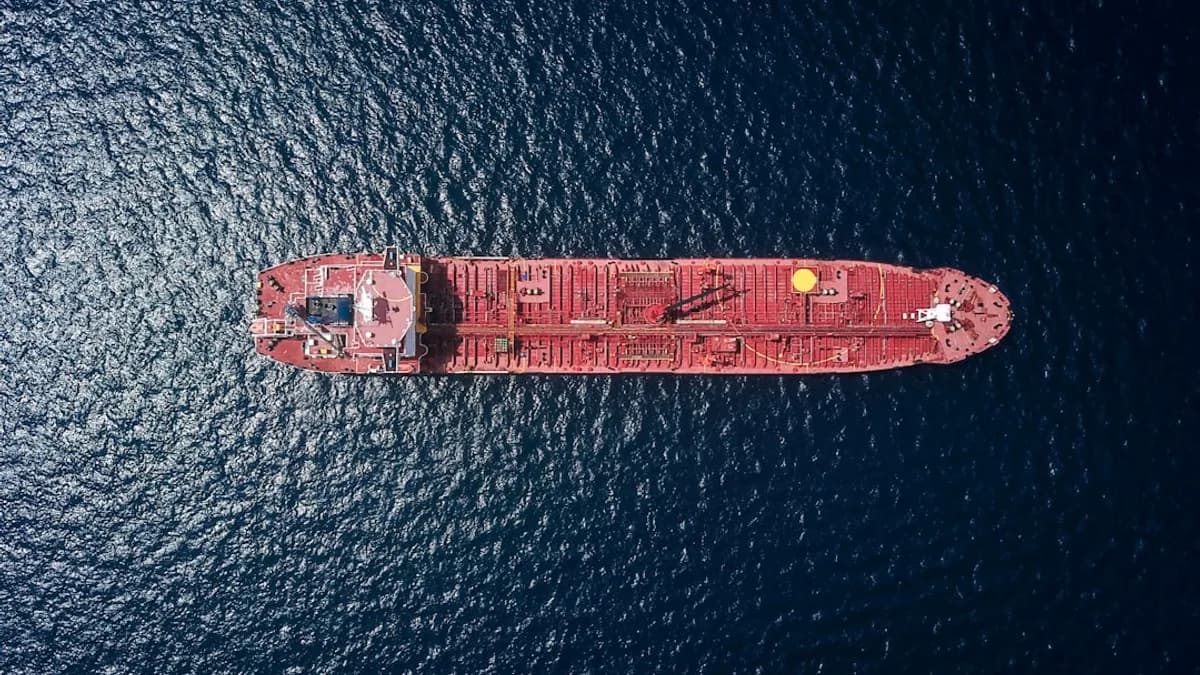
The latest standoff stems from a fragile ceasefire between the US and Iran, brokered amid ongoing disputes over sanctions, nuclear programs, and regional influence. As the expiration of this ceasefire looms, Iran has imposed new restrictions on tanker access through the Strait, citing alleged violations by US naval forces and accusing Washington of breaking the terms of the agreement [Source: Source]. This move stranded several tankers, exacerbating concerns about the reliability of transit routes and the potential for rapid escalation.
Iran’s decision to curtail access is rooted in a blend of political and military motivations. The country seeks to leverage its geographic control of the strait to exert pressure on the US and its allies, particularly as diplomatic negotiations stall. By restricting passage, Iran signals its capacity to disrupt global energy flows—a longstanding bargaining chip in regional power dynamics. US officials, meanwhile, have accused Iran of acting provocatively and undermining international norms, warning of potential military responses if the situation deteriorates further [Source: Source].
The standoff is further complicated by broader strategic calculations. For Iran, the ability to threaten or close the Strait offers leverage in negotiations over sanctions and nuclear development. For the US, maintaining freedom of navigation and securing energy supplies for allies is a critical objective. The interplay of military posturing and diplomatic brinkmanship has created a tense environment where miscalculation or further provocations could quickly escalate into open conflict, putting the world’s energy supply at risk.
Impact on Global Oil Prices and Financial Markets
Markets wasted no time reacting to the standoff. Oil prices jumped sharply, with Brent crude climbing by several percentage points in the hours following news of the incident [Source: Source]. This spike reflected both immediate concerns over stranded tankers and broader fears about sustained supply disruptions. The oil futures market saw heightened volatility as traders weighed the likelihood of further escalation versus the potential for a diplomatic resolution.
Stock futures, particularly in energy-sensitive indices, fell amid the uncertainty. Investors shifted away from riskier assets, anticipating that prolonged instability in the Strait of Hormuz might dampen global economic growth and raise costs for businesses reliant on energy [Source: Source]. The correlation between geopolitical risk and market performance was evident, as safe-haven assets like gold experienced inflows while equities saw outflows.
In the short term, the standoff has injected fresh volatility into oil markets, prompting companies to hedge against price swings and governments to review contingency plans. Shipping companies are considering rerouting vessels or delaying shipments, which could further strain supply chains and raise costs. In the longer term, persistent instability in the Strait could drive sustained increases in energy prices, exacerbate inflationary pressures, and force a re-evaluation of global supply strategies.
The episode underscores the sensitivity of financial markets to geopolitical events, especially when they threaten critical infrastructure. While oil prices may retreat if tensions ease, the risk premium associated with the Strait of Hormuz is likely to remain elevated until a durable resolution is achieved.
Potential Scenarios and Risks Moving Forward
Looking ahead, several scenarios could unfold in the Strait of Hormuz. An escalation—such as military confrontation or further restrictions by Iran—would likely drive oil prices even higher and deepen global supply chain disruptions [Source: Source]. This could prompt coordinated responses from the US and its allies, including naval deployments or renewed sanctions, amplifying risks to energy security.
Alternatively, diplomatic intervention could de-escalate tensions, restoring tanker access and stabilizing markets. However, the underlying issues—sanctions, nuclear policy, and regional rivalry—are deeply entrenched, suggesting that any resolution may be temporary. Persistent uncertainty poses ongoing risks for global energy flows, insurance rates, and investment in oil infrastructure.
At stake is not only the immediate supply of oil but also the broader framework of international diplomacy and sanctions regimes. The standoff may prompt countries to diversify energy sources, build strategic reserves, or seek alternative routes, reshaping the global energy landscape. For policymakers, maintaining open channels of communication and preparing for contingencies is essential to mitigate the risks posed by future flare-ups in the Strait.
Conclusion: Broader Implications for Energy Markets and Geopolitical Stability
The renewed US-Iran standoff in the Strait of Hormuz highlights the enduring vulnerability of global energy markets to geopolitical risk. The rapid surge in oil prices and decline in stock futures underscore how closely tied financial stability is to regional security [Source: Source]. As the situation evolves, monitoring developments in the Strait will be crucial for governments, investors, and businesses alike.
Balancing the need for energy market stability with the realities of geopolitical rivalry remains a formidable challenge. The episode serves as a reminder of the importance of diplomatic engagement, contingency planning, and diversification in safeguarding against future disruptions. Ultimately, the Strait of Hormuz will continue to be a barometer for both energy security and international relations, demanding constant vigilance and adaptive strategies in an uncertain world.
⚠️ Disclaimer: This article is for informational purposes only and does not constitute financial advice. Always do your own research before making investment decisions.