Introduction: Understanding the Economic Fallout of the Iran War
The recent Iran war has triggered a wave of geopolitical uncertainty, rippling far beyond the Middle East and into the heart of the global economy. Economists and financial experts warn that the effects on the US economy will persist long after the conflict itself subsides, with repercussions likely to shape American financial stability for years to come [Source: Source]. This article unpacks the mechanisms driving these effects, drawing on insights from policymakers, central bankers, and economists who highlight the US economy’s vulnerabilities in the face of geopolitical shocks. We explore the immediate impacts, the longer-term consequences, and what this means for everyday consumers and businesses, offering a comprehensive guide to navigating the post-conflict economic landscape.
Immediate Economic Impacts of the Iran War
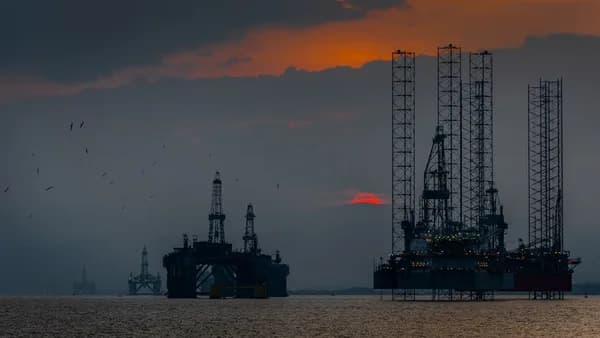
The Iran war’s most immediate economic impact has been the disruption of oil supply chains. Iran, a major oil producer, sits at the crossroads of key energy routes. Any conflict affecting its output or threatening the Strait of Hormuz—the world’s most critical oil chokepoint—sends shockwaves through global energy markets. These disruptions have led to sharp spikes in oil prices, with Brent crude reaching levels not seen since previous regional tensions [Source: Source].
Higher energy costs quickly feed into inflation. Gasoline, heating, and transportation expenses rise, prompting an uptick in consumer prices across the board. This inflationary surge is compounded by market volatility: investors, wary of geopolitical risk, move capital into safe havens, triggering sell-offs in equities and currency markets. The resulting uncertainty undermines confidence, potentially slowing economic growth as businesses and consumers become more cautious in their spending and investment decisions.
Long-Term Economic Consequences for the US
While initial shocks are painful, economists warn that the Iran war’s longer-term effects may prove even more damaging for the US economy [Source: Source]. Persistent inflation is a chief concern. Elevated energy prices can linger for months or years, pushing up the cost of goods and services well beyond the conflict’s immediate aftermath. This erosion of purchasing power harms households, particularly those already grappling with stagnant wages and rising living expenses.
Trade deficits may widen as the US relies heavily on imported oil to meet domestic demand. Higher import costs increase the balance of payments deficit, exerting downward pressure on the dollar and complicating monetary policy. The Federal Reserve, tasked with keeping inflation in check, may be forced to maintain or even raise interest rates for an extended period. Elevated rates make borrowing more expensive, dampening investment and potentially slowing job creation.
The war also strains government budgets. Defense and security expenditures often surge in response to heightened geopolitical risks, diverting resources from other priorities like infrastructure, education, or health care. These fiscal pressures can deepen long-standing structural deficits, limiting policymakers’ flexibility to respond to future crises.
Underlying these challenges is an uncomfortable reality: the Iran war exposes weaknesses in the US economic model, particularly its vulnerability to external shocks. Dependence on global supply chains and imported energy leaves the country exposed to volatility beyond its control. Economists urge policymakers to address these structural issues, warning that failure to do so could leave the US economy chronically susceptible to future disruptions.
Insights from Policymakers, Central Bankers, and Economists
To gauge the full scope of concern, over 30 central bankers, policymakers, and politicians were interviewed about the Iran war’s economic fallout [Source: Source]. Their consensus is clear: the US economy remains highly vulnerable to geopolitical shocks. Many highlight how the conflict has served as a stress test for the financial system, revealing latent weaknesses in both private and public sectors.
Several experts point to the Trump administration era, when economic growth was prioritized over resilience. Policies that reduced strategic energy reserves and loosened financial regulations, they argue, left the US exposed to inflationary pressures and supply chain disruptions now manifesting in the wake of the Iran war [Source: Source]. The war has underscored the importance of balancing short-term gains with long-term stability.
There is broad agreement that economic recovery will not be swift. Most analysts predict a timeline of several years before inflation and market volatility return to pre-war levels. Some warn that the conflict’s effects could be compounded by other global risks, including climate-related disasters, further delaying recovery. Policymakers urge vigilance and proactive measures to shore up economic resilience, including investment in domestic energy production and stronger supply chain management.
Mechanisms Driving the Prolonged Economic Impact
The Iran war’s inflation shock is not confined to energy; it ripples through the entire economy. Rising oil prices increase transportation and production costs for manufacturers, leading to higher prices for everything from food to electronics. This secondary inflation affects sectors that may seem unrelated to energy but rely on global supply chains vulnerable to disruption [Source: Source].
Supply chain interruptions, exacerbated by conflict and political uncertainty, can cause shortages and bottlenecks. Companies facing unpredictable input costs may scale back operations, delay investments, or pass price increases onto consumers. These dynamics feed back into the broader economy, slowing growth and reducing competitiveness.
Investor confidence is another critical factor. Persistent geopolitical instability undermines trust in capital markets, making financing more expensive and less accessible. This discourages expansion, innovation, and job creation, further entrenching the economic malaise. The Federal Reserve and other policymakers must walk a tightrope: responding robustly to inflation without choking off growth or causing financial instability.
Finally, there is a feedback loop between geopolitics and economic policy. As instability rises, governments may adopt more protectionist or interventionist measures, potentially exacerbating the very risks they seek to mitigate. Effective policy responses require careful calibration, emphasizing both security and economic sustainability.
What This Means for US Consumers and Businesses
The practical implications of the Iran war’s economic fallout are already evident for US consumers and businesses. Households face rising costs for essentials—fuel, food, utilities—forcing many to tighten budgets and reconsider discretionary spending. This squeeze is especially acute for lower-income families, who spend a larger share of their income on necessities [Source: Source].
Businesses, meanwhile, confront higher input costs and uncertain demand. Manufacturers and retailers may struggle to maintain profit margins, leading to layoffs or reduced investment. Some firms may shift production strategies, sourcing materials domestically or adopting new technologies to manage risks. These changes could reshape the American economic landscape, favoring companies able to adapt quickly.
Long-term, the Iran war’s economic effects may deepen inequality and strain social stability. As costs rise and opportunities diminish, vulnerable groups are disproportionately affected. Policymakers and business leaders must consider strategies to support those at greatest risk, ensuring that recovery efforts promote inclusive growth and resilience.
Conclusion: Navigating the Post-Conflict Economic Landscape
The Iran war has unleashed a cascade of economic challenges for the US, from immediate inflationary shocks to persistent structural vulnerabilities. Even as the conflict recedes, its financial consequences will linger, requiring strategic policy measures and vigilant risk management [Source: Source]. Addressing these challenges demands a balanced approach—mitigating inflation, supporting growth, and strengthening resilience to future geopolitical disruptions.
Ultimately, the US must recognize the interconnectedness of global security and economic stability. As policymakers navigate the post-conflict landscape, they must prioritize both, fostering an environment where households and businesses can weather shocks and thrive. With thoughtful leadership and proactive measures, the nation can chart a path toward recovery, ensuring that the lessons of the Iran war lead to greater economic strength and resilience in the years ahead.
⚠️ Disclaimer: This article is for informational purposes only and does not constitute financial advice. Always do your own research before making investment decisions.