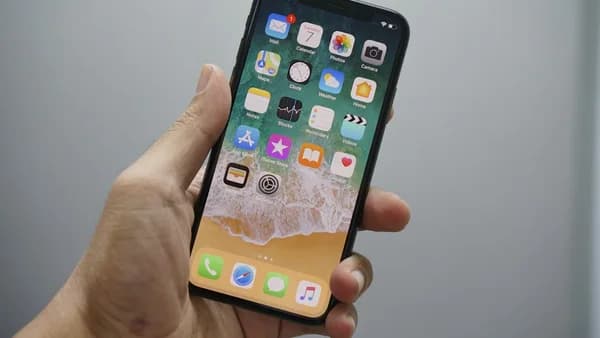
Apple iOS 26.6 patches 87 vulnerabilities across iPhone and iPad software, including a Safari/WebKit flaw found by Anthropic researchers using Claude.
Apple released iOS 26.6 and iPadOS 26.6 on Monday, closing bugs across the kernel, Safari, image processing and Contacts, according to Notebookcheck. The most unusual detail is not just the Safari fix. It is that Apple credited the AI model by name.
Apple’s security credit links a Safari flaw to Anthropic researchers using Claude.
Apple iOS 26.6 fixes 87 security flaws, including a Safari bug found with Claude
Apple’s latest mobile update is a security-heavy release, covering several high-risk parts of the operating system, including Safari and other core components.
The Claude-linked bug was tied to Safari, Apple’s browser, and to the web-facing software stack that iPhone and iPad users interact with every day. Notebookcheck reports that the flaw was found with help from Claude, Anthropic’s AI assistant.
That matters because browser bugs sit close to daily user behavior. A browser-related flaw does not require a user to install a rogue app; the affected surface can be web content itself.
Apple’s advisory also makes the credit notable because it points to human researchers working with an AI tool, rather than treating the model as a standalone discoverer. The available reporting does not provide enough detail to say exactly what part Claude played in the find.
For users, the immediate action is simple: install the update through Settings > General > Software Update when it appears for a compatible iPhone or iPad. As with any security release, the safest course is to update promptly rather than wait for more technical detail to circulate.
MLXIO has also tracked the security-heavy nature of this release in 75+ Security Fixes Make iOS 26.6 a Sneaky Must-Install, with related context on Apple’s AI preparation in 75+ Security Fixes Reveal iOS 26.6’s Hidden AI Bet.
Claude’s role in Apple’s Safari patch signals a shift in AI-assisted vulnerability research
Apple’s acknowledgment is the notable precedent. Security advisories usually credit people, companies or research teams — not the tool that helped with the find.
That does not mean Claude independently “hacked Safari.” The grounded reading is narrower: Anthropic-linked researchers used Claude as part of their vulnerability research workflow, and Apple chose to name the model in connection with the credit.
The source material does not say how much of the discovery came from Claude versus the human researchers. That distinction matters. AI can help inspect code, reason through bug patterns, draft tests or accelerate triage, but a vendor-grade vulnerability report still needs expert validation.
The signal is stronger when viewed beside Apple’s broader release notes. 9to5Mac reported that Apple’s latest security releases also credited work involving OpenAI Codex Security, Z.AI’s GLM and NVIDIA’s AI Red Team, along with other AI-related security credits.
That makes the Claude credit less a victory lap than a marker of where security work is heading — faster, more automated, but still dependent on expert review.
The practical tension is obvious. The same class of tools that can shorten research cycles for defenders can also reduce the time between a published patch and a working attack. 9to5Mac noted that Apple had released iOS 26.5.2 less than a month earlier, with some fixes originally planned for iOS 26.6, showing how quickly Apple’s security schedule can move when needed.
The iOS 26.6 update may make iPhones run warmer during post-install setup
The update has a second visible effect: some iPhones may run warmer or burn through battery faster right after installation.
That kind of post-update behavior is usually tied to background work after a major install. Apps, system services and device data may need time to settle after the new software is applied.
So a warmer iPhone immediately after installing iOS 26.6 is not automatically a sign that something broke. Based on the available reporting, the device may simply be completing post-update work in the background.
Apple’s general guidance around updates is to give the device time after installation and reassess if battery life still looks abnormal later. If the issue continues beyond the short post-install window, users can then treat it as a separate battery or performance problem rather than a routine update effect.
This also fits the release’s broader maintenance theme. MLXIO covered that setup phase in Beta 5 Puts iOS 26.6 in iPhone Cleanup Mode Before iOS 27, and the final release now shows the same practical priority in production: security fixes first, with post-install adjustment happening underneath.
Security teams will scrutinize iOS 26.6 release notes for exploit risk and AI-credit precedent
The available coverage frames iOS 26.6 as a broad security update rather than a single-issue emergency patch. That lowers the sense of one obvious headline crisis, but it does not make delay risk-free.
Once Apple publishes technical descriptions, attackers can compare old and new behavior, look for the fixed code path and attempt to reconstruct the underlying bug. Even without a public exploit claim, that normal patch-analysis process is why security teams tend to move quickly on browser and kernel fixes.
The broader Apple patch wave also includes macOS Tahoe 26.6, watchOS 26.6, tvOS 26.6, visionOS 26.6 and Safari 26.6. 9to5Mac also lists macOS Sequoia 15.7.8 and macOS Sonoma 14.8.8 among the same-day updates.
Security teams now have two parallel jobs. First, triage the actual vulnerabilities across WebKit, kernel components, image processing and other affected areas. Second, decide how much weight to give AI-assisted credits as a signal of future reporting patterns.
The unresolved question is Claude’s real contribution. Apple named the model, Anthropic-linked researchers were involved, and the bug was real enough to patch. But neither Apple nor Anthropic has said whether Claude found the core issue, accelerated confirmation, generated test cases or simply assisted during analysis.
That is the watch item after iOS 26.6: not whether AI belongs in vulnerability research — Apple’s own credits now show it already does — but how transparent vendors will be when AI tools help turn obscure bugs into public security fixes.
Key Takeaways
- Apple patched 87 vulnerabilities across iPhone and iPad software, making this a significant security update.
- The Safari/WebKit flaw is notable because browser bugs can be triggered through everyday web content.
- Apple’s credit to Anthropic researchers using Claude highlights AI’s growing role in security research.