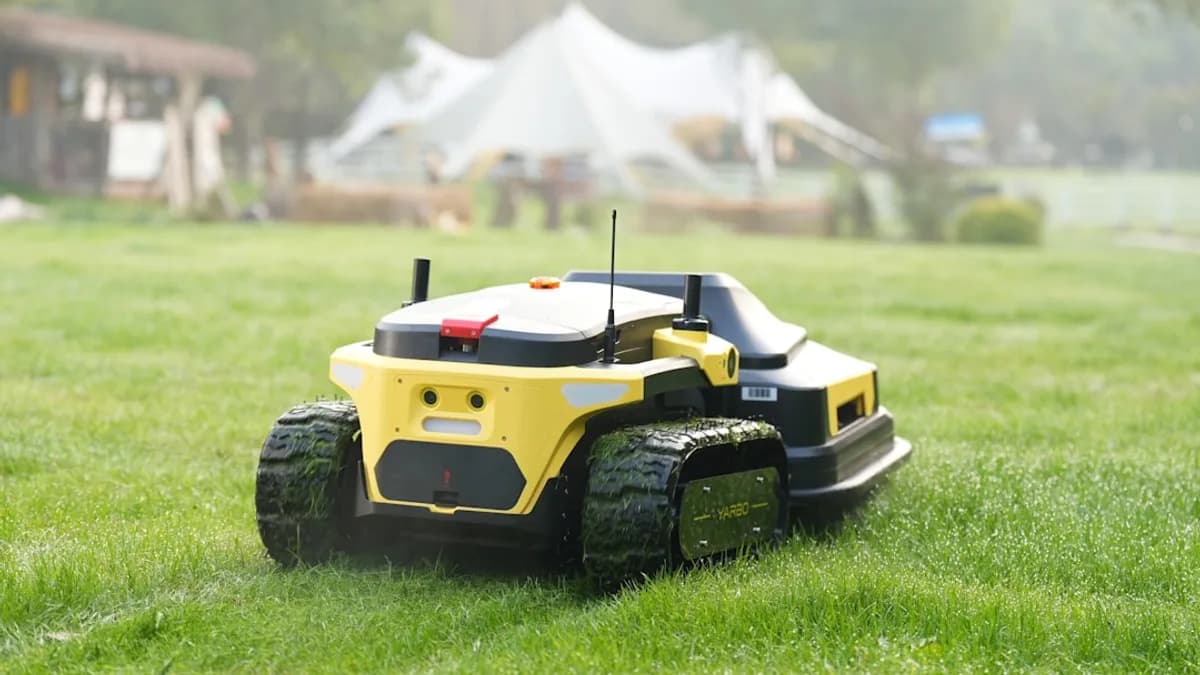
Why Should You Worry About Hackable Robot Lawn Mowers in Your Neighborhood?
Robot lawn mowers, once a novelty, are quietly multiplying on suburban lawns—and with them, a new class of security threats. Recent reporting has spotlighted how these connected machines don’t just trim grass: they can also create digital vulnerabilities with consequences well beyond a patchy yard, according to Wired.
The core concern: these autonomous devices blur the line between physical and digital security. Unlike a hacked laptop, a compromised mower is a moving piece of hardware with a blade. The mere idea of a hackable robot on your property—one that can be manipulated remotely—forces a rethink of how risks migrate from screens to physical spaces.
This isn’t just theoretical hand-wringing. The Wired report underscores a growing realization that smart devices in everyday life—whether in your pocket, living room, or backyard—can become weak links in personal safety and privacy. As robot mowers proliferate, their vulnerabilities are no longer someone else’s problem.
How Do Robot Lawn Mowers Work and What Makes Them Vulnerable to Hacking?
Robot lawn mowers operate autonomously, but their convenience often comes with a catch: digital connectivity. The features that let you schedule a trim from your phone or update firmware over the air are the same channels that can expose the device to outside tampering, if not properly secured.
While the specifics of current vulnerabilities aren’t detailed in the Wired report, most smart devices share common risk factors. Weak authentication, unpatched software, and unsecured wireless connections have all been cited in recent discussions as plausible weak points. If a device’s security is an afterthought, it can become an entry point for anyone with the right skills and bad intentions.
The upshot: every new “smart” feature is a potential attack surface. If manufacturers don’t prioritize security at the design stage, these mowers can be manipulated or monitored in ways their owners never intended.
What Could Happen If a Robot Lawn Mower Is Hacked? Real-World Risks and Scenarios
A compromised robot lawn mower isn’t just a technical headache—it’s a physical threat. The Wired article’s warning about “unlocking a new nightmare” isn’t hyperbole. The device’s mobility and hardware turn it into a tool for mischief or worse, should a malicious actor gain control.
Potential consequences flow in several directions. Invasion of privacy if a mower’s telemetry data is siphoned. Physical damage if the mower is set loose at the wrong time or place. Or even a stepping stone for broader attacks, if the mower is used to probe the homeowner’s wider network.
While the Wired report doesn’t cite a specific public incident, this “nightmare” scenario is no longer just a plot for dystopian fiction. The combination of physical autonomy and digital insecurity raises the stakes—and the anxiety.
What Steps Can Consumers and Manufacturers Take to Protect Robot Lawn Mowers from Cyberattacks?
So far, the reporting makes one thing clear: absent better security practices, these devices invite trouble. For consumers, vigilance means applying software updates, using strong authentication where available, and being skeptical about connecting devices to wider home networks unless necessary.
Manufacturers, for their part, face pressure to ship devices with security baked in, not bolted on as an afterthought. That means regular patches, transparent vulnerability reporting, and a commitment to protect customers from the risks of connectivity.
Regulators and standards bodies have a role, too. By pushing for baseline security requirements, they can help ensure that basic protections are not optional. But based on what Wired reports, these efforts are far from universal or consistent.
How Does the Threat of Hacked Smart Devices Like Lawn Mowers Fit Into the Larger Cybersecurity Landscape?
The robot mower problem is a symptom of a bigger issue: the expansion of the Internet of Things has outpaced the attention given to device security. As more “dumb” machines go smart, each one becomes a new vector for attack if not properly secured.
Wired’s roundup places the mower issue alongside other current security flashpoints—encrypted messaging, extremist threats, and nation-state hacking schools. The common thread is clear: the more we connect, the more our physical and digital lives intersect, and the higher the stakes for security failures.
What Remains Unclear and What Should You Watch Next?
The Wired report highlights the risk, but leaves open critical questions: Which brands or models are most at risk? Have there been real-world attacks with tangible damage? What’s the industry response beyond raising an alarm?
For now, the best move is vigilance—both for consumers and manufacturers. As the line between the digital and the physical world blurs, every new “smart” device should trigger questions about security, not just convenience. Watch for future reporting to clarify the scope of the threat, regulatory reactions, and whether this nightmare stays theoretical—or becomes reality.
Impact Analysis
- Robot lawn mowers introduce new cybersecurity risks that extend from digital to physical threats.
- Vulnerabilities in these devices can compromise personal safety and privacy in residential neighborhoods.
- Growing adoption of smart yard equipment highlights the urgent need for better security standards in consumer technology.