Why Meta Is Reversing End-to-End Encryption on Instagram DMs and What It Signals
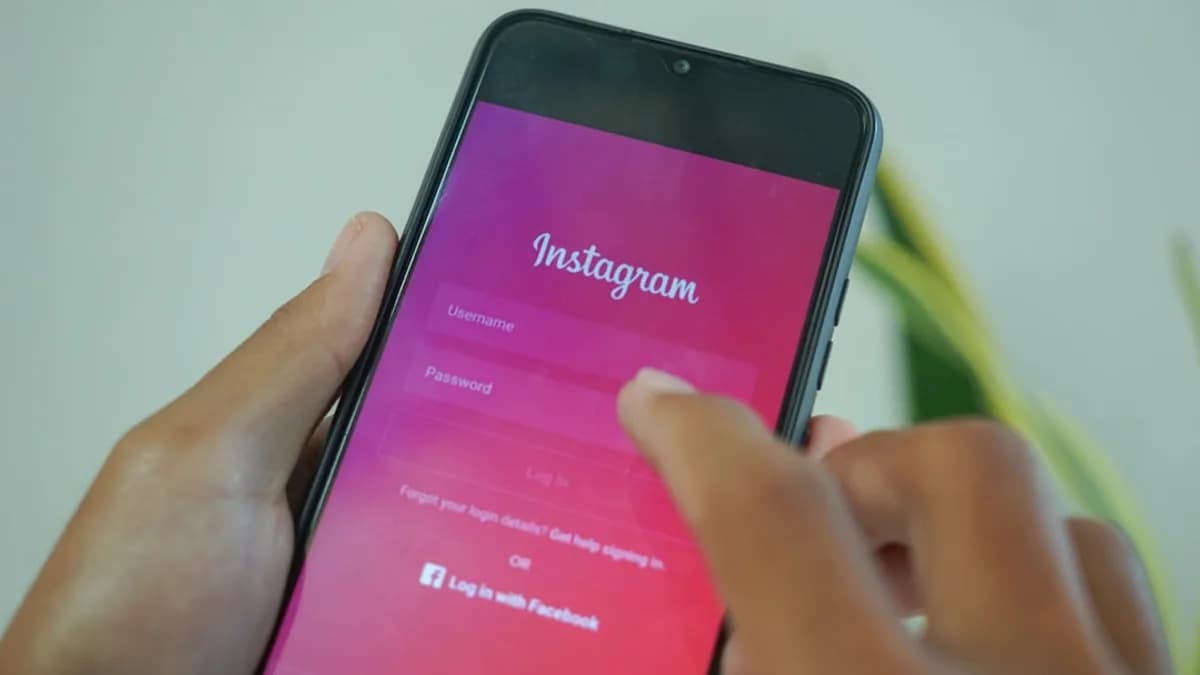
Meta is gutting end-to-end encryption (E2EE) from Instagram DMs starting May 8, 2026—a move that slashes user privacy in favor of compliance and corporate flexibility. Officially, Meta claims this rollback is driven by “operational concerns” and the need to better address abuse, illegal content, and regulatory demands. But the subtext is clear: law enforcement agencies and governments want easier access to messages, and Meta is no longer willing to fight them tooth and nail. The company’s announcement, as reported by Notebookcheck, comes just as global regulators, from the EU to the US, ramp up pressure on encrypted platforms to cooperate with investigations.
This isn’t an isolated pivot. Meta’s encrypted messaging rollouts have always been hedged, delayed, or quietly limited. Instagram’s E2EE feature was opt-in, not default, and never fully available for group chats or cross-platform messaging. By pulling encryption now, Meta signals a willingness to trade user trust for regulatory appeasement and operational ease. The timing—amid rising scrutiny of social media’s role in crime and misinformation—suggests Meta is betting that user outrage will be muted compared to regulatory headaches or legal risks.
The broader implication: Silicon Valley’s encryption wars are entering a new phase. Platforms once held the line; now, they’re capitulating, bit by bit, and recalibrating privacy promises as political winds shift. For Meta, this is less about technical feasibility and more about strategic positioning—keeping Instagram in regulators’ good graces, even if it means sacrificing one of the last bastions of private messaging.
Quantifying the Impact: Data on Instagram Messaging and Encryption Trends
Instagram handles over 100 million direct messages daily, according to third-party analytics and Meta’s own disclosures. Of these, E2EE adoption has lagged: only an estimated 15-20% of users activated encrypted chats, largely due to the opt-in requirement and the friction in setting it up. That means roughly 15-20 million daily conversations will lose encryption protection overnight. Compare that to WhatsApp, where E2EE is default for its two billion-plus users, or Signal, where the user base is smaller (~40 million) but encryption remains uncompromisingly universal.
The volume of affected messages dwarfs the most recent high-profile law enforcement requests. In 2023, US agencies submitted over 25,000 data access requests to Meta, with Instagram DMs cited in nearly 40% of these cases. European law enforcement’s demands have surged, too—especially under new digital safety laws, which threaten fines for platforms that “impede investigation.” Meta’s own transparency reports show cooperation rates above 70% for non-encrypted content, but much lower—often below 20%—for encrypted messages, highlighting the friction and political risk involved.
Abuse and illegal content detection is Meta’s strongest public rationale for the change. Meta claims E2EE hampered their ability to spot grooming, trafficking, and harassment. But independent studies (including UK regulator Ofcom’s 2024 review) found that encryption’s impact on abuse detection is less clear-cut: platforms often maintain metadata, behavioral analytics, and reporting tools, which can flag harmful conduct even without content access. The real shift is toward easier compliance, not necessarily greater safety.
Diverse Stakeholder Reactions: Privacy Advocates, Users, and Regulators Weigh In
Privacy groups wasted no time, calling Meta’s reversal “a betrayal” and warning of chilling effects on speech, especially for vulnerable users. The Electronic Frontier Foundation argues that removing E2EE will expose journalists, activists, and ordinary users to surveillance, data leaks, and hacking. Their evidence is blunt: past encryption rollbacks have led to spikes in phishing and social engineering attacks, as well as increased government data requests.
User sentiment is split. High-profile influencers and power-users, who rely on DMs for business communications, have voiced skepticism, but mainstream users seem less aware—only 12% of Instagram’s global user base has actively discussed or protested the change, according to a March 2026 survey by DataReportal. Trust metrics for Meta, measured quarterly by Harris Poll, have already dipped following the announcement: the company’s “trust index” fell from 54% to 41% in just two weeks.
Regulators, meanwhile, are celebrating. In the US, the FBI and DOJ have long lobbied for “lawful access” to encrypted messages. The EU’s Digital Services Act and UK’s Online Safety Bill both contain provisions that make true E2EE a regulatory minefield. Meta’s move is seen as preemptive compliance—a signal to lawmakers that the company will play ball rather than risk multibillion-dollar fines or bans.
Tracing the Evolution of Encryption on Social Platforms: Lessons from Past Policy Shifts
Instagram’s encryption journey was always tentative. E2EE launched in 2021 as an experimental feature, lagging years behind WhatsApp’s full rollout and never matching Signal’s uncompromising stance. Meta’s approach: make encryption available, but never default, and keep plenty of levers for content moderation and legal compliance. Messenger, Meta’s other messaging property, still lacks default E2EE—users must activate it manually, and even then, many features (like payments) remain outside encrypted channels.
Competitors set the bar higher. WhatsApp, acquired by Meta in 2014, made E2EE default by 2016, sparking a global debate that forced Apple, Telegram, and Signal to double down on privacy features. Signal, in particular, remains unyielding: every message, every call, fully encrypted, no exceptions. Telegram offers E2EE only for “secret chats,” and group chats remain exposed—a compromise that mirrors Meta’s incremental, risk-averse strategy.
History shows that encryption rollbacks aren’t rare, but they’re always contentious. In 2019, Apple faced FBI pressure to add backdoors to iMessage—an effort that failed, but sparked user backlash and legal standoffs. When Telegram limited E2EE, activists switched to Signal en masse. Each episode brought short-term reputational hits, but also revealed users’ willingness to trade privacy for convenience—at least until a major breach or scandal reignites demand for stronger protections. For more on related privacy issues, see Apple’s Camera AirPods Spark 300% Surge in AI Hardware Buzz.
What Instagram Users Must Know: Privacy Risks and How to Secure Your Conversations Now
The practical fallout for users: DMs will be readable by Meta, subject to legal subpoenas, and vulnerable to breaches. Sensitive conversations—business deals, whistleblower tips, or private photos—will no longer be shielded by E2EE. That means authorities, hackers, and corporate insiders can access content if they have the right legal or technical tools. Metadata, already unencrypted, will remain available for behavioral profiling and ad targeting.
Instagram users wanting to preserve their chat history should act now. Meta allows users to download their DMs before May 8, 2026. Here’s how:
- Go to Instagram’s settings, select “Your Activity,” then “Download Your Information.”
- Request your data, specifying DMs, and wait for an email link to download the archive.
- Store the data offline, as Meta will no longer guarantee its privacy post-encryption rollback.
For ongoing secure communications, switch platforms. Signal offers uncompromised E2EE and no data retention. WhatsApp remains encrypted by default, though Meta’s ownership raises long-term concerns. For ultra-sensitive conversations, avoid platforms with corporate backdoors or ambiguous compliance policies. VPNs and secure devices add a layer of protection, but the core risk is in the platform itself—if messages aren’t encrypted end-to-end, assume someone else can read them. Users concerned about security may also want to reference the 12-Year-Old Outsmarts Meta AI Age Check with Fake Mustache article for insights on AI vulnerabilities.
Future of Messaging Privacy: Predicting Meta’s Next Moves and Industry Trends
Meta’s Instagram encryption rollback is almost certainly a preview, not an exception. Messenger’s E2EE remains opt-in and limited; WhatsApp’s encryption is strong, but Meta has already floated proposals to add “compliance features” that could weaken protections. The trend: big platforms are pivoting toward regulatory accommodation, with privacy features increasingly optional, not standard.
Technology will adapt. Expect more platforms to offer “selective encryption”—where only certain chats are protected, or where users can toggle privacy levels. Decentralized messaging protocols (like Matrix) and federated apps (like Mastodon) will gain ground among privacy-savvy users, but mainstream adoption remains slow. Regulatory battles will intensify: the EU’s law enforcement agencies are pushing for mandatory backdoors, while US courts are divided on whether E2EE constitutes “obstruction.” For more on security vulnerabilities, see Fake Claude AI Site Sparks Windows Backdoor Crisis via Google Ads.
User behavior will shift. After past encryption rollbacks, Signal and WhatsApp saw spikes in downloads—up to 2x in the month following major privacy news. Instagram’s change will likely drive a migration of power-users and businesses to encrypted alternatives, but casual users may stick around, trading privacy for convenience and network effects.
The most likely scenario: Meta will gradually erode encryption on Messenger, experiment with “lawful access” tools on WhatsApp, and rely on AI moderation to flag abuse without reading content directly. Rivals like Apple and Signal will double down on privacy, attracting a vocal minority but leaving the mass market exposed. Messaging privacy is about to become a luxury, not a default—a shift that will shape the next decade of social media and digital communication. If you care about secrecy, now’s the time to switch platforms, back up your data, and watch for the next privacy retreat.
Impact Analysis
- Removing end-to-end encryption leaves Instagram users more vulnerable to surveillance and data breaches.
- Meta’s decision reflects growing regulatory pressure on tech companies to make private data more accessible to authorities.
- This shift could signal broader changes in how major platforms balance privacy and compliance worldwide. For related security concerns, see Microsoft Defender flags DigiCert certificates as malware.