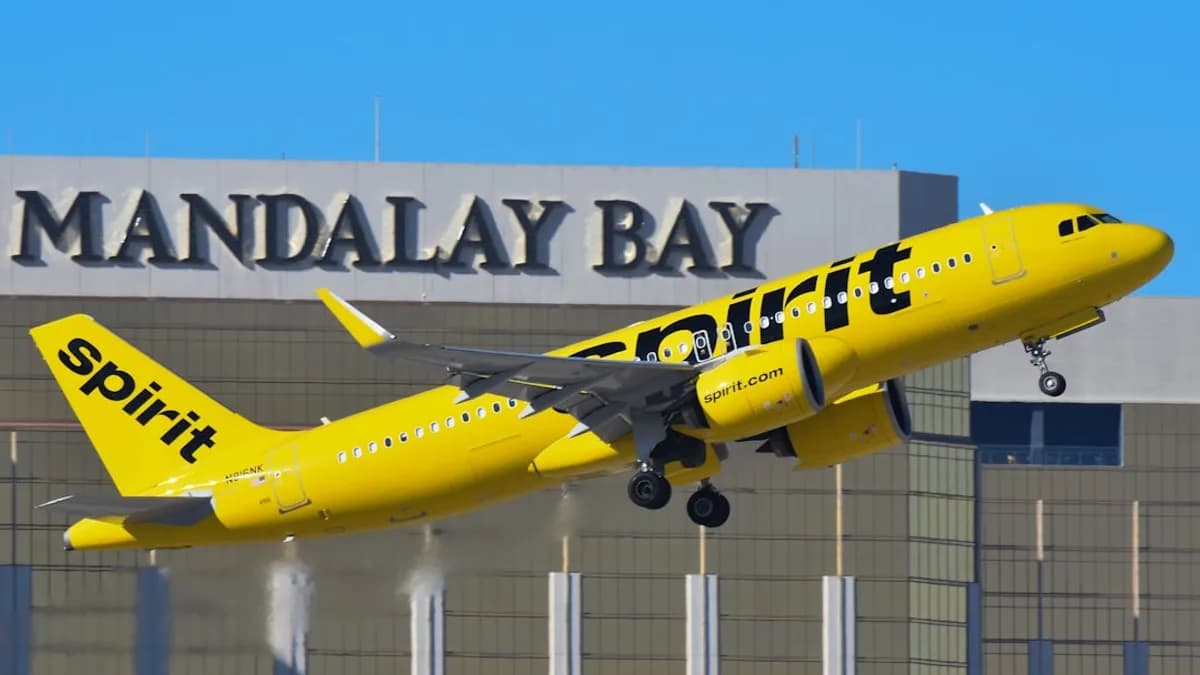
Why Is Spirit Airlines Facing a Potential Shutdown by May 31?
Spirit Airlines could ground its entire fleet within weeks, putting thousands of jobs and millions in booked travel at risk. The company has warned it may run out of cash as early as May 31, a stark deadline that rattled investors and industry observers, according to CryptoBriefing. Spirit, known for ultra-low fares and no-frills service, has been squeezed by mounting debt, sluggish demand, and escalating operational costs.
Several factors have converged to push Spirit to the brink. The carrier’s debt load has ballooned to over $1.1 billion, with interest payments swallowing a growing share of revenues. Fuel prices—typically around 25-30% of airline expenses—have jumped roughly 20% year-on-year, slicing margins even thinner. Labor costs, especially pilot salaries, have surged after post-pandemic shortages forced Spirit to pay higher wages to retain staff.
Spirit’s market position hasn’t helped. Its customer base is price-sensitive, leaving little room to hike fares without losing passengers. Meanwhile, competition from larger rivals like Southwest and JetBlue has intensified: JetBlue’s failed bid to acquire Spirit in early 2024 left Spirit exposed, with no lifeline and a battered balance sheet.
The May 31 shutdown threat isn’t just a technical bankruptcy risk—it’s a hard deadline for creditors, suppliers, and employees. If Spirit can’t secure urgent funding or restructure debt, operations will halt, bookings will be canceled, and its assets could be liquidated. The clock is ticking, and the consequences will be felt far beyond Spirit’s own route map.
How Do Financial Issues Impact Airlines Differently Compared to Other Industries?
Airlines operate under financial constraints that most other sectors never face. Cash flow volatility is routine: ticket sales often precede service by months, but cash outflows—fuel, maintenance, payroll—are relentless. When revenue drops, airlines can’t simply pause operations without massive fixed costs piling up.
Fuel costs are the biggest wild card. Unlike manufacturers or retailers, airlines can’t hedge all their exposure, and price spikes hit immediately. In 2023, U.S. airlines spent roughly $58 billion on jet fuel, up 18% from the previous year. Labor is another headache; unions and regulatory requirements lock in high minimums for staffing and pay, limiting flexibility.
Debt is both lifeline and anchor. Most airlines rely on short-term loans to cover seasonal swings, but when credit tightens—like after the 2020 pandemic or now with rising rates—access to capital evaporates. Spirit’s situation mirrors the post-9/11 crunch, when several carriers collapsed after failing to refinance maturing debt.
Compared to tech or retail, airlines have fewer levers to pull in a downturn. Software firms can cut marketing, retailers can trim inventory, but airlines can’t shrink fleets or routes without slashing revenue and violating regulatory obligations. Bankruptcy, when it comes, is often sudden and catastrophic.
What Are the Broader Consequences of an Airline Shutdown for Passengers and the Market?
Spirit’s collapse would instantly disrupt travel for over 10 million annual passengers—cancelled flights, lost bookings, and refund uncertainty. Customers holding tickets for summer travel could find themselves stranded or forced to pay higher fares as remaining carriers absorb demand.
Refunds are never straightforward. When an airline shuts down, credit card processors may freeze payouts, and passengers must scramble for chargebacks or compensation. In past shutdowns, such as the 2019 demise of WOW Air, many travelers waited months for partial refunds, if any.
The competitive landscape would shift overnight. Spirit’s exit would remove a pressure valve on pricing: with fewer low-cost seats, legacy carriers could nudge fares higher. After the 2008 collapse of Aloha Airlines, average fares on affected routes jumped 15-20% within a year.
Ripple effects extend to airports, suppliers, and tourism. Spirit is the second-largest carrier at several regional airports; its disappearance could cut passenger traffic by up to 40%, triggering layoffs and slashing concession revenues. Aircraft lessors, maintenance firms, and local hotels would lose major clients—forcing renegotiations or layoffs across the supply chain.
How Can Airlines Strengthen Financial Management to Avoid Crises Like Spirit’s?
Survival in aviation means mastering cost control and cash flow discipline. Airlines that withstand shocks—like Delta during the pandemic—prioritize liquidity, maintain flexible fleet arrangements, and diversify revenue streams beyond ticket sales. Delta, for example, generated $3.5 billion in 2023 from loyalty programs and credit card partnerships alone, cushioning operational losses.
Hedging fuel costs, while imperfect, can buy time during price spikes. Southwest famously locked in low prices ahead of the 2008 oil surge, saving hundreds of millions and outlasting competitors. Spirit’s lack of a robust hedging strategy left it fully exposed to recent fuel volatility.
Operational flexibility is key. Carriers with variable leasing arrangements and modular route networks can rapidly scale up or down. Ryanair, for instance, adjusts schedules weekly and renegotiates leases to match demand, avoiding the fixed cost traps that sink rivals.
Crisis preparedness matters. Airlines that run “war games” for cash crunches, maintain open lines to lenders, and communicate proactively with regulators tend to recover faster. United Airlines, after Chapter 11 in 2002, rebuilt with aggressive cost cuts and transparent stakeholder communication, regaining profitability within three years.
What Lessons Can Be Learned from Spirit Airlines’ Financial Struggles?
Spirit’s predicament underscores the importance of active risk management and vigilant financial oversight. Airlines cannot afford complacency; a single shock—be it fuel prices, labor unrest, or failed mergers—can trigger a cascade of failures. Investors will likely demand deeper visibility into debt profiles and liquidity buffers, pressuring management to disclose more granular metrics.
Regulators may toughen rules on capital adequacy and consumer protection, especially as passenger fallout grows. The Spirit episode could prompt stricter monitoring of pre-booked revenues and refund reserves, reducing the risk of mass cancellations.
Transparent communication is essential. Stakeholders—employees, passengers, creditors—need clear signals about financial risks and contingency plans. Spirit’s opaque disclosures and missed merger deadlines damaged trust and complicated recovery options. For industry players, clarity and candor are as vital as operational efficiency.
What Happens Next: Implications for Airlines, Investors, and Travelers
The Spirit crisis is a warning shot for the entire airline industry. Investors should scrutinize balance sheets for hidden debt and liquidity gaps, especially among low-cost carriers. Travelers may need to hedge their own risks, choosing flexible fares and monitoring airline financial health before booking.
Airlines must double down on scenario planning—stress-testing for fuel spikes, labor disruptions, and failed M&A. Regulators will likely push for tighter disclosure and consumer safeguards. The industry has no shortage of volatility, but those who prepare, diversify, and communicate will be best positioned to withstand the next shock.
The Bottom Line
- A shutdown would disrupt travel plans for millions of passengers and impact thousands of employees.
- Spirit's financial crisis highlights vulnerabilities in the ultra-low-cost airline business model.
- The deadline signals broader instability in the budget airline sector, affecting competition and fares.