Péter Magyar’s Viral Inauguration Signals a New Chapter for Hungary
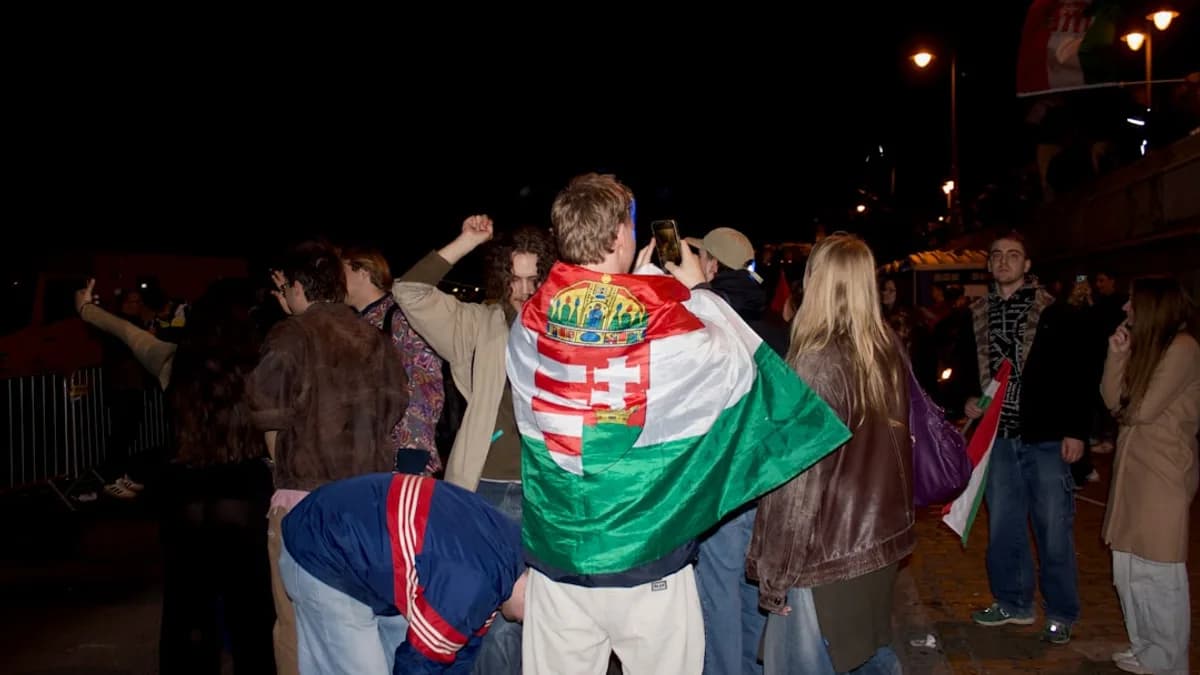
Social media and news platforms are saturated with videos of Hungary’s new Prime Minister, Péter Magyar, whose viral dance at his inauguration has become a symbol of the country’s political reset. The spike in global searches and online chatter centers on this unexpected blend of populist spectacle and political transition, marking the end of Viktor Orbán’s era and the beginning of Magyar’s tenure. According to The Guardian, Magyar’s upbeat performance is being interpreted as both a celebration and a sharp break from his predecessor’s autocratic image. This isn’t just about a politician dancing: it’s a viral moment crystallizing Hungary’s appetite for optimism after years of political stagnation.
Behind the Viral Moment: Deep Political Upheaval in Hungary
The jubilation on Hungary’s streets and social feeds masks a much deeper realignment. Péter Magyar did not just win an election—he led a movement that, as The New Yorker notes, “led Hungarians out of autocracy.” His inauguration was met with public celebrations, suggesting a population relieved and energized by the prospect of reform. But beneath the surface, Magyar immediately confronted entrenched political structures, publicly demanding the resignation of Hungary’s president in a high-profile showdown (Bloomberg).
This immediate demand for accountability illustrates a willingness to challenge the status quo. The euphoria of Magyar’s inauguration, covered by Le Monde, is not just emotional optics for the international press—it’s a barometer of Hungary’s hunger for institutional reform after years under Orbán.
The Key Players: Péter Magyar, Viktor Orbán, and Institutional Powerbrokers
Hungary’s political transformation pivots on a few central figures. Péter Magyar, newly minted prime minister, embodies generational change and a shift toward transparency. His strategy—high-profile public moves like demanding the president’s resignation—signals a direct challenge to entrenched interests. Viktor Orbán, now ousted, defined Hungary’s trajectory for over a decade, consolidating power and drawing international criticism for democratic backsliding.
The presidency itself has become a flashpoint. Magyar’s public challenge to the president is more than a personnel dispute; it’s a test of Hungary’s willingness to unwind Orbán-era institutional arrangements. International coverage, from The New Yorker to Bloomberg, is watching for whether Magyar can translate symbolic gestures into substantive changes in governance, media freedom, and judicial independence.
Market and Geopolitical Ramifications: Hungary at a Crossroads
The most immediate consequence for Hungary’s markets is uncertainty. Orbán’s long tenure was marked by predictable, if controversial, economic policies and a frosty relationship with Brussels. Magyar’s ascension introduces the prospect of regulatory reform, which could thaw EU-Hungary relations and unlock stalled funding or investment. The upbeat mood on the streets may preface a recalibration of Hungary’s position in Europe—though the sources provide no concrete data on market moves or capital flows.
Still, the symbolism matters. A leader willing to challenge the presidency and embrace public celebration sends a signal to investors and international partners that Hungary is open to change. Whether this optimism translates into shifts in FDI, regulatory policy, or capital markets remains to be seen. The coverage from Le Monde and The Guardian highlights the political dimension but stops short of quantifying economic impacts.
Evidence to Monitor: Will Magyar’s Break with the Past Last?
The next year will test whether Péter Magyar’s viral optimism can outlast its meme cycle and deliver systemic reform. Evidence worth tracking includes:
- Concrete resignations or shake-ups among Orbán-era officials.
- Shifts in Hungary’s stance toward EU institutions and funding negotiations.
- Changes in press freedom, judicial process, or regulatory transparency.
- Market response, particularly in sectors previously stymied by political risk.
The sources document a rare moment of hope and celebration in Hungarian politics, but the depth and durability of reform depend on Magyar’s ability to convert symbolic gestures into real institutional change. The world is watching to see if Hungary’s new rhythm is more than a one-hit wonder.