Apple’s Student Verification: Education Discounts Get Tighter
Apple now blocks US customers from accessing its student discounts online without proof of eligibility—a sharp shift for a company that once let anyone pass as a student with minimal scrutiny. The company is rolling out Unidays’ third-party verification system, already standard in the UK, to the US market, requiring students, parents, and teachers to validate their status before claiming deals. For the first time, Apple Watch models—including the Series 11—are on the discount list. This isn’t just a new pop-up; it’s a structural change in how Apple gates its offers and signals a crackdown on casual or ineligible use of the education storefront, according to The Verge.
Breaking Down the Numbers: International Rollout Sets Precedent
The source material confirms Apple’s Unidays-based verification is already active in the UK and now expands to Canada, Australia, Hong Kong, Turkey, and Chile. While Apple hasn’t published figures on the effect, the move likely standardizes enforcement across markets. The US market, long reliant on self-attestation, faces the same verification friction as international buyers.
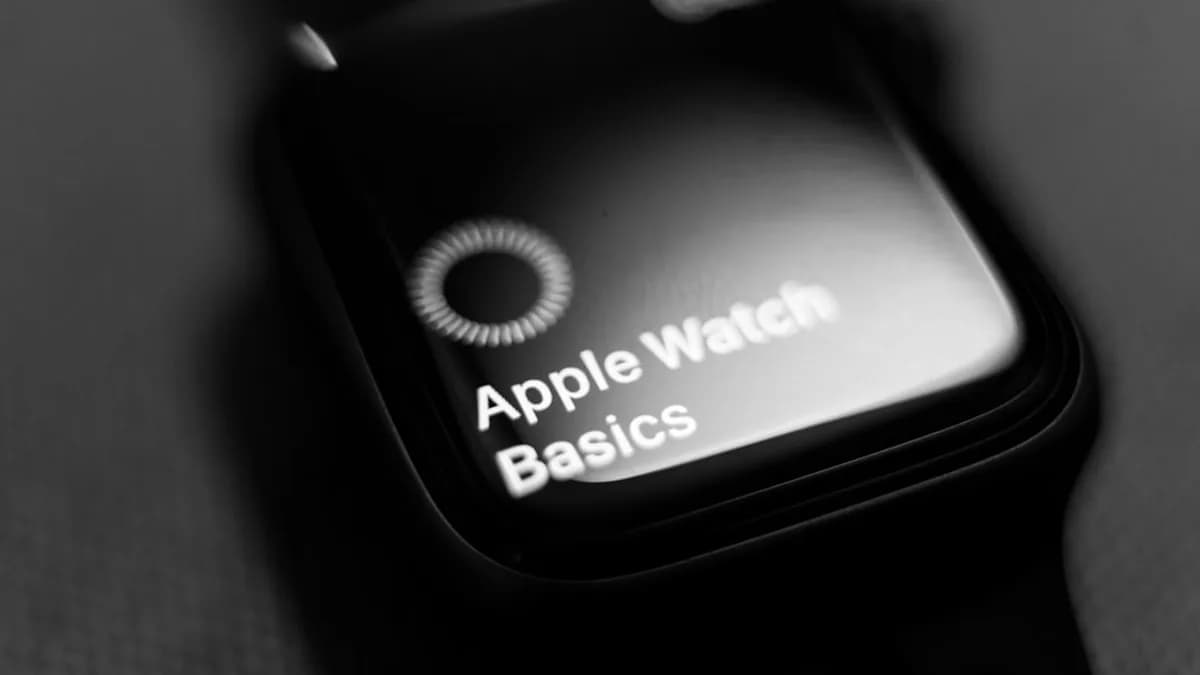
There’s also a notable addition—Apple Watch Series 11 and other models now qualify for education discounts in the US for the first time. The source doesn’t provide sales or usage numbers, but MLXIO analysis: including the Watch could drive new interest among students and educators who prioritize health and productivity devices over traditional Macs or iPads. However, with verification tightened, any bump in Watch sales will be limited to those who clear the eligibility check.
Stakeholder Reactions: Between Convenience and Trust
The Verge does not report direct user feedback, but the shift raises the bar for students, parents, and educators seeking Apple’s best prices. Verification through Unidays is now a required step, introducing extra friction—an email check, document submission, or identity confirmation—where previously many users could self-certify. For legitimate buyers, the process is a minor hurdle; for the less scrupulous, it’s a barrier.
From Apple’s perspective, this move is about more than lost discount abuse. A verified program positions Apple as a steward of fair pricing, potentially boosting trust with both education institutions and real students. The company’s willingness to expand Watch discounts suggests it sees value in deepening its education program—possibly as a feeder channel for lifelong brand loyalty.
Tracing Apple’s Education Discount Evolution
Until now, Apple’s US store operated with minimal verification compared to its UK and international sites, where Unidays checks have been the norm. The new pop-up on the US education storefront signals a harmonization of standards. The international rollout—now reaching Canada, Australia, Hong Kong, Turkey, and Chile—shows Apple is serious about global consistency.
The addition of Apple Watch discounts fits this evolution. For years, only Macs and iPads were included. By extending discounts to wearables, Apple is treating the Watch as an essential student tool, not just a luxury accessory.
What Apple’s Verification Requirement Means for Students and the Tech Industry
Students and parents will find fewer loopholes to access Apple’s education pricing. For legitimate buyers, the process makes the discount more defensible; for casual shoppers, it raises the cost of ineligible applications. The tech industry—especially those selling direct to students—may see this as a sign that loose eligibility is a thing of the past.
The Verge notes Apple’s use of Unidays, a third-party service, but doesn’t detail what data is collected or how it’s used. Privacy and data security are always in play when educational credentials are involved, but the source offers no evidence of new risks or concerns.
Predicting the Future: Market Trends to Watch
Apple’s global rollout of Unidays verification suggests this is not a trial—it’s the new standard. What remains unclear: will the added friction cut into overall discount usage, or will it simply filter out the ineligible? Apple hasn’t disclosed US-specific numbers, nor has it commented on sales impact.
MLXIO inference: the next signposts will be changes in product eligibility (Will iPhones join the list?), further international expansion, or tweaks to the verification process itself. If competitors follow with their own verification systems, it could reshape how students access discounts across the industry. Until then, Apple’s education deals just got more exclusive—and more closely monitored.
Impact Analysis
- Apple's US education discount now requires verified student or educator status, ending easy access for ineligible buyers.
- Including Apple Watch in the education discount expands device options, but benefits are restricted to those who pass verification.
- The shift aligns US policies with international standards, signaling tighter global enforcement of Apple’s student deals.