Updated (June 2026): This article has been refreshed to clarify that the FCC waiver preserves update pathways for certain already-authorized devices; it is not a blanket approval for new sales, nor does it resolve separate U.S. national-security scrutiny involving TP-Link, DJI, and other China-linked vendors.
Why the FCC’s Update Waiver for TP-Link and DJI Devices Challenges Conventional Security Norms
The FCC’s extension of its update waiver for foreign-made connected devices, including products associated with TP-Link, DJI, and other closely watched vendors, complicates the usual script of U.S. tech security policy. Instead of forcing a hard stop on software and firmware support for equipment caught up in national-security restrictions, the agency has left room for updates that help keep already-deployed products secure—currently through January 1, 2029, unless the policy is changed.
The practical logic is straightforward: a device that cannot be patched can become more dangerous than a device that remains under scrutiny but continues to receive vulnerability fixes. The waiver, as reported by Notebookcheck, reflects a more nuanced regulatory position. It does not erase U.S. concerns about supply chains, data security, or potential foreign-government influence. It does, however, recognize that freezing updates for routers, drones, cameras, and other connected equipment could create immediate cybersecurity and public-safety risks.
That distinction matters. The waiver should not be read as a green light for all future products from affected manufacturers. FCC equipment authorization rules, the agency’s Covered List, and separate actions by Congress or other federal agencies remain in play. What the waiver does is preserve a narrow but important channel for maintaining existing devices, especially when updates are intended to fix bugs, close vulnerabilities, or preserve safe operation.
Quantifying the Impact: How Many Devices and Users Benefit from the FCC’s Waiver Extension?
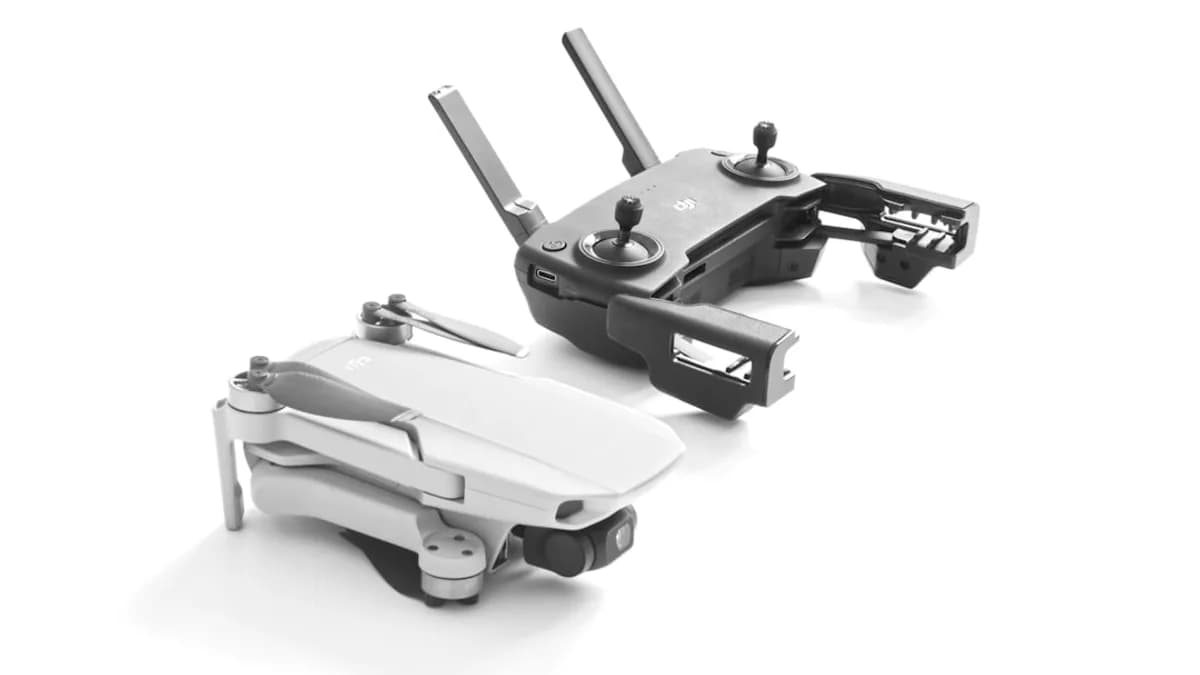
The FCC has not published a precise count of devices that benefit from the waiver, and no single public database captures the full installed base of affected routers, drones, cameras, and IoT products. Still, the scale is substantial. TP-Link has long been one of the most visible consumer and small-business router brands in the U.S. market, while DJI drones are widely used by hobbyists, photographers, public-safety agencies, inspection crews, and commercial operators.
That broad footprint is why the update issue matters. Routers sit at the edge of home and business networks, making them attractive targets for botnets, credential theft, traffic interception, and lateral movement into other systems. Drones carry their own risks: unsafe firmware, navigation bugs, app vulnerabilities, or insecure data handling can affect not only device owners but also nearby people, property, and sensitive locations.
The waiver reduces the chance that millions of already-deployed devices become unpatched legacy hardware overnight. It also gives organizations more time to plan orderly replacements where required by procurement rules, risk policies, or future federal restrictions.
The key caveat: continued update eligibility does not mean every old device will actually receive updates. Manufacturers may still end support for older models, and some patches may not apply to discontinued hardware. Users should continue checking vendor security advisories, firmware pages, and end-of-life notices rather than assuming the waiver guarantees support for every device through 2029.
Diverse Stakeholder Reactions: Industry, Government, and Consumer Perspectives on the FCC’s Decision
The FCC’s position is best understood as a public-safety compromise. Cutting off security updates may satisfy a strict interpretation of technology restrictions, but it can also leave households, businesses, schools, and local agencies exposed to known vulnerabilities. The waiver keeps regulators from accidentally creating a large pool of unsupported connected devices.
For manufacturers, including TP-Link, DJI, and other vendors facing heightened U.S. scrutiny, the waiver is a temporary reprieve rather than a full victory. It allows continued maintenance of existing products, but it does not settle questions about future authorizations, procurement bans, data-security requirements, or whether specific companies could face additional restrictions.
Consumers and small businesses are likely to see the decision more pragmatically. If they already own a router or drone, the most immediate need is safe operation and timely patching. Replacing every device at once is expensive and, for many users, unrealistic. Continued updates reduce risk while giving buyers time to evaluate alternatives.
Security-focused stakeholders remain more cautious. They argue that patching known flaws does not resolve deeper concerns about supply-chain control, cloud dependencies, telemetry, remote-management systems, or opaque firmware. That criticism is valid. The waiver manages one layer of risk—unpatched vulnerabilities—but does not eliminate the broader national-security debate.
Lessons from the Past: Historical Precedents of Technology Restrictions and Update Waivers
The FCC’s approach stands out because technology bans can create unintended security consequences when they do not account for the installed base. Past restrictions involving Huawei, ZTE, and other telecom suppliers showed how difficult it can be to remove equipment from networks quickly, especially when smaller operators or public agencies rely on lower-cost hardware. “Rip and replace” policies may reduce long-term exposure, but the transition period can be expensive, slow, and operationally messy.
Connected consumer devices create an even broader challenge. Unlike telecom core equipment, routers, cameras, drones, and IoT devices are scattered across homes, small offices, warehouses, schools, farms, and municipal departments. If support is cut off abruptly, many users will not replace devices immediately. They will simply keep using unsupported hardware.
That is the cybersecurity trap the waiver tries to avoid. National-security policy may aim to reduce reliance on certain foreign-made technologies, but cybersecurity policy still depends on patching, vulnerability disclosure, and responsible maintenance. A total update cutoff can turn theoretical supply-chain risk into immediate exploitation risk.
The FCC’s stance reflects a growing recognition that technology risk is not determined only by country of origin. It is also shaped by update practices, transparency, secure development, incident response, and how quickly users can migrate to safer alternatives.
What the FCC’s Update Waiver Means for the Tech Industry and Consumer Security Landscape
For the tech industry, the message is mixed. Vendors under scrutiny can continue supporting certain existing products, but they are operating in a more volatile regulatory environment. Future FCC actions, congressional legislation, or agency procurement rules could still narrow what products can be sold, certified, or used in sensitive contexts.
The waiver also raises the bar for manufacturers. If regulators are allowing updates on public-safety grounds, vendors need to demonstrate that those updates are narrowly focused, well-documented, and security-relevant. Poor communication, delayed patches, or opaque firmware changes could strengthen the case for stricter controls.
For consumers, the immediate takeaway is practical: keep devices updated, but do not treat updates as a permanent guarantee. Owners of TP-Link routers, DJI drones, and similar connected products should:
- Install firmware and app updates from official sources.
- Review whether their model is still supported.
- Disable unnecessary remote-management features.
- Use strong, unique admin passwords and multifactor authentication where available.
- Replace devices that no longer receive security patches.
- Follow procurement guidance if the device is used in government, education, public safety, or critical infrastructure.
The waiver gives users breathing room. It does not remove the need for risk management.
Predicting the Future: How Extended Update Waivers Could Shape National Security and Tech Innovation
The period before January 1, 2029, will be important. If regulators see that continued updates reduce real-world risk without expanding exposure, the waiver model could become a template for handling other restricted technologies. Instead of abrupt cutoffs, agencies may favor managed transitions: keep existing equipment patched while limiting new deployments and encouraging replacements over time.
But the opposite outcome is also possible. A major cybersecurity incident, new intelligence findings, or congressional action targeting specific vendors could push the FCC or other agencies toward tighter controls. DJI remains a frequent subject of U.S. drone-security debates, and TP-Link has faced heightened scrutiny because of the role routers can play in network compromise and botnet activity. Those debates are unlikely to disappear.
The most important unresolved question is how regulators will define acceptable maintenance. Security patches are easy to justify. Feature updates, cloud-service changes, radio-performance changes, or updates that materially alter device behavior may draw more scrutiny. The more granular the FCC’s guidance becomes, the easier it will be for vendors, enterprise buyers, and consumers to understand what is allowed.
What to watch: further FCC guidance on equipment authorization and permissive changes; additions to or reinterpretations of the Covered List; congressional action on drones, routers, and connected devices; vendor end-of-life announcements; and any major vulnerability that tests whether the waiver process can deliver patches quickly.
Impact Analysis
- The FCC waiver helps keep already-deployed TP-Link, DJI, and other affected connected devices eligible for critical security and maintenance updates.
- The decision prioritizes immediate cybersecurity and public safety while broader national-security reviews continue.
- The waiver is not a blanket approval of foreign-made hardware; it is a temporary risk-management tool that preserves patching while regulators, manufacturers, and users prepare for the next phase of U.S. tech-security policy.