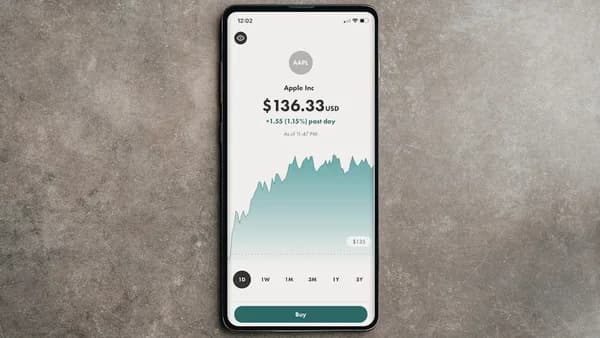
Staying on top of your finances in 2026 typically means juggling multiple apps for budgeting, saving, and investing. The rise of personal finance apps with robo-advisor integration promises a more seamless, automated experience—combining the best of modern budgeting tools and smart, AI-driven investment advice. But what truly sets these integrated platforms apart, and which features matter most for users looking to make the leap? This comprehensive guide is grounded in the latest research and real-world examples, helping you understand the essential features, security considerations, and practical benefits of personal finance apps with robo-advisor integration.
Overview of Personal Finance Apps and Robo-Advisors
In the last decade, the financial technology sector has experienced a radical shift. Personal finance apps—once simple tools for expense tracking—now offer a comprehensive suite of features, including budgeting, savings automation, and investment portfolio management. The integration of robo-advisors into these apps represents the latest evolution, delivering AI-driven financial guidance previously available only through human advisors.
Robo-advisors use advanced AI and machine learning to analyze user data and make tailored investment recommendations. As outlined by Ayoshya, the move from costly, human-led advice to accessible, automated platforms has democratized investment and financial planning. The result? Users can now access highly personalized, data-driven insights at a fraction of the traditional cost—right from their mobile devices.
“AI and machine learning stand at the core of robo-advisors, enabling them to analyze vast amounts of data and make informed investment decisions.”
— Ayoshya, 2026
Benefits of Integration Between Budgeting and Investing Tools
The integration of robo-advisors with personal finance and banking apps isn’t just a tech trend; it’s a response to growing consumer demand for unified, seamless financial management. Here’s what this integration brings to the table:
- Unified Financial Dashboard: Instead of toggling between separate budgeting and investment apps, users gain a holistic view of their spending, saving, and investing.
- Automation: Automated savings and investment transfers help users stick to their financial goals with minimal manual effort (Success Knocks).
- Personalized Guidance: AI-driven insights are now contextual—advice is grounded in the user’s complete financial picture, not siloed account info (Origin, UseOrigin.com).
- Cost and Accessibility: By automating much of the advisory process, these platforms reduce fees and open up high-quality financial guidance to a broader audience.
“The trend toward integration is driven by the demand for a unified financial experience. Users seek a one-stop solution for their banking, investment, and financial planning needs.”
— Ayoshya, 2026
Key Features to Expect in Integrated Apps
Not all personal finance apps with robo-advisor integration are created equal. The most effective platforms share several essential features, as highlighted in research from Ayoshya, Success Knocks, and UseOrigin:
Core Features Table
| Feature | Description | Source |
|---|---|---|
| Automated Savings Tools | Auto-transfer funds or round-up purchases for savings goals | Success Knocks |
| Real-Time Expense Tracking | Instant categorization and tracking of spending; alerts for budget limits | Success Knocks |
| AI-Powered Investment Advice | Tailored portfolio recommendations and automatic rebalancing | Ayoshya, Origin |
| Cross-Account Aggregation | Unified view of bank, investment, and credit accounts | UseOrigin |
| Open Banking API Support | Securely connect and sync data from multiple providers | Success Knocks |
| Biometric Authentication | Fingerprint, facial recognition, or voice ID for secure, convenient access | Success Knocks |
| Regulatory Compliance | Built-in privacy and audit controls to meet financial regulations | Ayoshya, Origin |
| Continuous, Contextual Guidance | Proactive tips and alerts based on real-time data analysis | UseOrigin |
Additional Must-Haves
- Gamified Savings and Goal Tracking: Visual progress bars and incentives to motivate positive financial habits.
- Automated Investment Rebalancing: Keeping your portfolio aligned with your risk tolerance without manual intervention.
- Customizable Alerts: Notifications for overspending, bill due dates, or investment portfolio changes.
“Open banking APIs allow different financial apps and platforms to securely share data, breaking down silos that once separated banking, lending, budgeting, and investing.”
— Success Knocks, 2026
Top Apps Offering Robo-Advisor Integration in 2026
While the market for integrated finance apps is crowded and fast-evolving, several platforms stand out for their robust robo-advisor integration and comprehensive feature sets. According to the latest research:
Notable Examples
- Origin
- Type: Advisor-grade AI financial planning platform
- Key Features: Full financial context (spending, investments, history, forecasts), AI-powered guidance, privacy and compliance controls, deterministic mathematical accuracy
- Betterment (with Bank Partnerships)
- Type: Leading robo-advisor; integration with major banks
- Key Features: Investment management accessible directly through partner bank apps
- Wealthfront (with Credit Union Integration)
- Type: Robo-advisor with credit union partnerships
- Key Features: Financial planning tools available within credit union account platforms
| App/Platform | Budgeting | Investment Advice | Cross-Account View | Compliance Controls | Real-Time Guidance |
|---|---|---|---|---|---|
| Origin | Yes | Yes | Yes | Yes | Yes |
| Betterment | No | Yes | Limited* | Yes | Yes |
| Wealthfront | Limited* | Yes | Limited* | Yes | Yes |
*Integration with external accounts depends on partner bank/credit union agreements.
Other apps like Cleo, Rocket Money, and Copilot offer strong budgeting and automation features but may not provide fully integrated robo-advisor capabilities as described above.
“Notable examples include Betterment partnering with banks and Wealthfront collaborating with credit unions to offer streamlined investing directly through banking apps.”
— Ayoshya, 2026
How Integration Enhances Financial Planning
The seamless combination of budgeting and investment management delivers practical, research-backed benefits for users:
- Holistic Financial Decision-Making: AI-powered platforms like Origin analyze both spending and investment behavior, delivering more relevant, actionable advice.
- Automated Transfers and Rebalancing: Savings rules and recurring investments ensure users stay on track financially without constant manual intervention (Success Knocks).
- Context-Aware Alerts: Integrated apps can warn you if a planned investment conflicts with upcoming bills or cash flow needs.
This means users no longer have to piece together fragmented advice or risk missing critical insights due to siloed financial data.
“Origin’s AI Advisor operates inside a system that understands a user’s complete financial picture—accounts, transactions, investments, history, and forecasts—rather than responding to prompts in isolation.”
— UseOrigin, 2026
Security and Data Privacy Considerations
Security remains a top concern as financial data becomes ever more interconnected. The leading integrated apps address this through:
- Biometric Authentication: Secure logins via fingerprint or facial recognition (Success Knocks).
- Regulatory Compliance: Built-in safeguards, audit logs, and U.S. regulatory protocols (Origin, Ayoshya).
- Data Encryption and Open Banking Standards: Secure data transfer and storage, with user control over account connections.
Apps failing to prioritize these protections risk not only user trust but also regulatory penalties.
“Security and regulatory compliance will remain top priorities to protect user data and build trust.”
— Ayoshya, 2026
User Experience and Automation Capabilities
Research shows that user experience (UX) and automation are critical differentiators among personal finance apps with robo-advisor integration:
- Intuitive Dashboards: Visual, consolidated overviews of all financial accounts.
- Customizable Workflows: Ability to set up unique savings rules, recurring investments, or budget categories.
- Proactive Guidance: Apps like Origin provide ongoing, AI-powered recommendations, not just reactive alerts.
- Gamification: Progress bars and rewards make saving and investing more engaging (Success Knocks).
“Fintech pioneers respond by merging smart automation with seamless interfaces, delivering tools that make wealth-building, tracking, and banking simpler than ever.”
— Success Knocks, 2026
Cost Implications and Pricing Models
A major advantage of integrating robo-advisors in personal finance apps is improved cost accessibility:
- Lower Fees: Robo-advisors automate much of the advisory process, reducing costs compared to traditional human advisors (Ayoshya, CNBC via Success Knocks).
- Transparent Pricing: Most leading apps offer clear, flat-rate subscriptions or percentage-based fees—often much lower than legacy financial planning services.
- Tiered Services: Some platforms (e.g., Origin) provide basic features for free, with advanced planning or investment management available via premium tiers.
| Service Type | Typical Cost (if available) | Notes |
|---|---|---|
| Traditional Human Advisor | High (not specified in source) | Personalized but episodic and costly |
| Robo-Advisor Integration | Lower (often flat or % fee) | Automated, contextual guidance |
| Standalone Budgeting App | Low or free | May lack investment context |
| Standalone AI Chatbot | Free or low | Lacks integration with real account data |
“This personalized guidance brings high-quality investing advice into the hands of everyday users, often for a fraction of traditional fees.”
— Success Knocks, 2026
Tips for Maximizing the Use of Integrated Features
To get the most from your chosen personal finance app with robo-advisor integration, keep these practical strategies in mind:
- Connect All Financial Accounts: Link your banking, credit, and investment accounts for a true 360° view.
- Set Clear Financial Goals: Use in-app goal-setting features to track progress toward savings, debt payoff, or investment milestones.
- Leverage Automation: Enable automated savings transfers, investment rebalancing, and bill pay to minimize manual tasks.
- Review AI Recommendations Regularly: Even with automation, periodic review ensures advice aligns with changing life circumstances.
- Customize Alerts and Notifications: Tailor push alerts for low balances, investment changes, or unusual spending.
- Stay Informed on Security Settings: Use biometric authentication and review app permissions regularly, especially with open banking connections.
Conclusion and Future Trends
The convergence of personal finance apps and robo-advisor integration is reshaping how everyday consumers manage money. The research is clear: these platforms offer unified dashboards, advanced automation, and personalized, AI-driven guidance—making sophisticated financial planning accessible and affordable.
Looking ahead, expect continued innovation in:
- Deeper AI Personalization: Smarter, context-aware recommendations that adapt in real-time.
- Tighter Banking Partnerships: More direct integration with banks and credit unions for seamless onboarding.
- Enhanced Security Protocols: Biometric and behavioral authentication as standard.
- Hybrid Models: Combining automated advice with access to human experts for complex needs (Forbes Finance Council).
“As these technologies continue to evolve, they will undoubtedly shape the future of financial advice and management.”
— Ayoshya, 2026
FAQ: Personal Finance Apps with Robo-Advisor Integration
Q1: What is robo-advisor integration in personal finance apps?
A: It’s the seamless embedding of AI-driven investment management (robo-advisors) within budgeting and banking apps, allowing users to automate both everyday money management and long-term investing in one place (Ayoshya, UseOrigin).
Q2: How secure are these integrated apps?
A: Leading apps employ biometric authentication, encryption, and comply with financial regulations, making security and privacy top priorities (Success Knocks, Origin, Ayoshya).
Q3: Do these platforms replace the need for a human advisor?
A: For routine tasks and basic investment strategies, yes. However, complex needs (such as tax or estate planning) often still benefit from human insight, with the most advanced platforms offering hybrid models (Forbes Finance Council).
Q4: What are the main benefits for users?
A: Unified financial management, personalized and automated advice, lower costs, and better visibility across all accounts (Ayoshya, UseOrigin, Success Knocks).
Q5: Which apps lead the market in 2026?
A: Platforms like Origin, Betterment (with bank partnerships), and Wealthfront (with credit union integration) are cited as robust examples (Ayoshya, UseOrigin).
Q6: Are there free options available?
A: Many platforms offer free tiers for basic features, with advanced robo-advisor capabilities available at premium pricing (UseOrigin, Success Knocks).
Bottom Line
Personal finance apps with robo-advisor integration have become essential tools for modern financial management in 2026. The research shows that the best platforms deliver unified views of spending and investing, robust automation, strong security, and personalized, AI-driven guidance—often for a fraction of the cost of traditional advisors. As integration deepens and AI capabilities grow, expect even smarter, more holistic financial tools to emerge, empowering users to take full control of their financial lives.