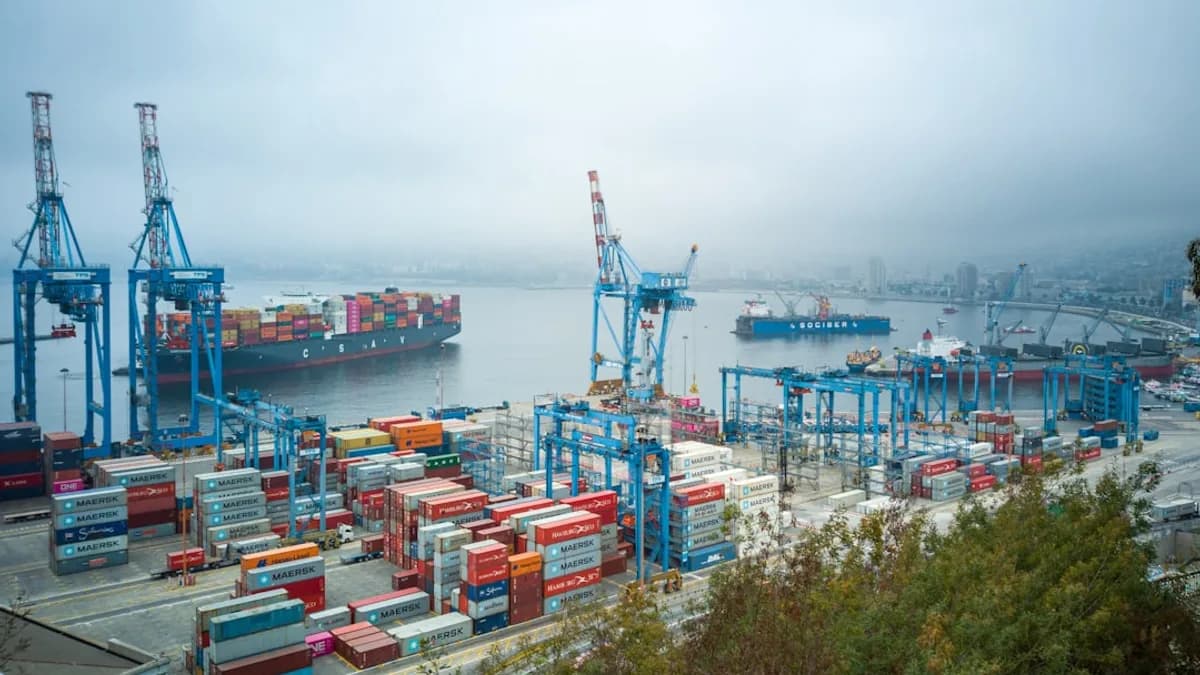
Record-Breaking China Trade Numbers Dominate Global Search Surge
China’s April trade numbers—both exports and imports—set new records, despite persistent high energy costs and geopolitical volatility. Multiple outlets including The New York Times, CNBC, and Bloomberg spotlighted the rebound after a sluggish March and a widening trade surplus. The confluence of these headlines has propelled the topic to the top of global finance and policy search trends, far outpacing news on US troop movements in Germany or even AI milestones.
The trigger: Unusually strong April export data, which defied expectations given the ongoing Hormuz crisis and its inflationary effect on energy prices, has prompted a wave of analysis and speculation. The scale of the rebound, paired with record import values, signifies a surprising resilience in China’s trade machine that market-watchers did not forecast after March’s lull.
China’s Trade Engine Roars Past Geopolitical Headwinds
China’s exports surged in April, reversing a lackluster March and setting a new monthly record. Imports also hit all-time highs—an outcome that startled analysts, given that high energy costs typically depress import volumes and squeeze export margins. The trade surplus widened in tandem.
Export Growth Defies War Risks
Despite fears that the Hormuz crisis would choke supply chains or spike shipping costs, China’s export growth accelerated. South China Morning Post notes that China achieved a record export value in April, showing that even acute geopolitical disruptions have not yet derailed its ability to ship goods at scale.
High Energy Costs Fail to Dampen Import Appetite
Imports should theoretically slow under high energy costs—yet China’s import volumes also set records. This suggests that Chinese manufacturers are absorbing higher input costs, possibly betting on sustained global demand and/or securing long-term supply contracts while others hesitate.
Surplus Expansion Signals Global Demand
The simultaneous surge in both exports and imports—alongside a widening trade surplus—signals that global demand for Chinese goods remains robust, even as energy and logistics costs rise. For now, China’s trade apparatus appears able to pass on costs or offset them via volume, rather than margin compression.
Key Players: State, Industry, and Global Counterparties
Beijing’s Policy Calculus
Central authorities continue to prioritize export growth as a strategic buffer against domestic slowdowns and geopolitical shocks. There is no source-specific evidence of new stimulus or export rebates this month, but the record numbers underscore that state support, infrastructure, and trade policy remain aligned.
Manufacturers and Energy Importers
Chinese manufacturers—especially in electronics, machinery, and consumer goods—are absorbing or hedging energy price volatility far better than expected. Major state-owned importers of energy and industrial inputs are likely driving the import records, but granular company-level data was not provided in the current sources.
Global Trading Partners
The trade surplus’s expansion means China’s top trading partners—especially the US and EU—are importing more than they’re selling into the Chinese market. This dynamic may fuel trade tensions ahead of diplomatic events and could shape ongoing tariff or investment negotiations, though no new policy moves are cited in the supplied articles.
Market Impact: Supply Chain Surprises and Inflation Risks
Shipping and Logistics Repricing
Global logistics providers and commodity traders now face a scramble to update their models. Surging Chinese exports generally tighten container availability and raise shipping rates, while record imports can stoke commodity price volatility. The Hormuz crisis’s failure to dent trade flows may reassure some, but it raises the stakes for any future disruptions.
Complicating Inflation Narratives
High import volumes at high energy prices mean China is absorbing more inflation risk—either through reduced margins or by passing costs downstream. If Chinese exporters hold the line on prices, global inflation could moderate. If not, downstream buyers in developed markets will face renewed pressure.
Equity and Currency Crosscurrents
None of the cited sources detail direct moves in Chinese equities or the yuan. However, record trade surpluses historically support currency stability and can boost exporter shares, at least in the short run. With no sign of a trade collapse, fears of a sudden yuan devaluation or credit squeeze look premature.
The Next 12 Months: Volatility, Policy, and External Shocks
Evidence to Monitor
The durability of China’s record trade performance will hinge on several factors:
- Whether high energy costs persist or intensify, especially if the Hormuz crisis escalates
- Beijing’s willingness to sustain current policy support or inject new stimulus if trade softens
- Potential retaliation or new trade measures from top partners facing a widening deficit
With no clear sign of margin compression or trade fallout yet, the main risks lie in external shocks—energy prices, shipping disruptions, or sudden policy pivots. The absence of new stimulus or tariff data leaves the outlook dependent on these variables.
Potential Trend Breaks
If China’s exporters can sustain record volumes deep into 2026, it will upend assumptions about supply chain fragility and the impact of energy shocks. Conversely, any sharp reversal—either from policy tightening, new sanctions, or true cost pass-through—would ripple through global equity and commodity markets.
What to Watch
Track month-over-month trade volume and surplus data, shipping and energy price trajectories, and any sign of retaliatory measures from major trading partners. The scale and resilience of China’s trade engine are now the bellwether for supply chain and inflation narratives in the year ahead according to Bloomberg.