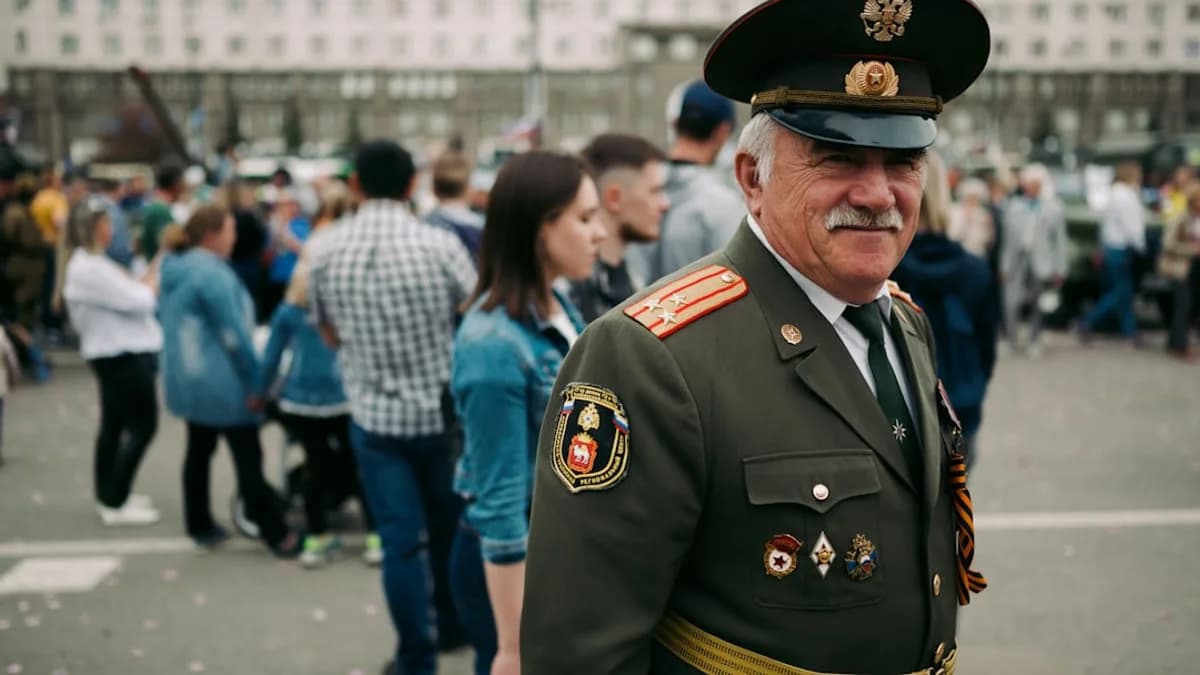
Putin’s Scaled-Back Victory Day Parade Signals Shifts in Russian Power Optics
Russia’s annual Victory Day parade, once a showcase of military might, shrank visibly this year—a transformation that’s fueling a spike in global search traffic and editorial coverage. According to a New York Times analysis, the downsized event and President Putin’s sharper anti-NATO rhetoric are driving unprecedented attention across news and social channels. The cluster-size of media reports and the editorial pipeline flag indicate multiplying storylines—ranging from military capacity to domestic vulnerability.
Military Pageantry Fades: What the Parade’s Makeover Reveals
The 2024 Moscow parade featured fewer soldiers, less hardware, and an evident shift in tone. Unlike past years, where Red Square bristled with tanks and missile launchers, the display this year was muted—both in spectacle and numbers. The Wall Street Journal notes that the downscaling reflects the strain of the ongoing Ukraine war, which continues to drain resources and stretch logistics.
Fewer Troops, Less Armor
This year’s display cut back on visible troop formations and high-profile equipment—omitting, for example, the heavy armor columns that once symbolized Russian battlefield dominance. Russia’s leadership appears to be recalibrating its public image, likely due to battlefield losses and the need to maintain morale without exposing the limits of its arsenal.
Rhetoric Over Hardware
Putin’s speech shifted focus from triumph to grievance, denouncing NATO and the West for escalating “global conflict.” This pivot marks a strategic communication adjustment, aiming to unify domestic audiences despite reduced hard-power optics. The BBC and Al Jazeera both highlight the new emphasis on external threats as a tool to justify ongoing sacrifices.
Key Players and Strategic Calculations
Putin remains the central figure, using the Victory Day event to signal both strength and resolve. Yet the supporting cast has changed: absent are some top military brass, and the parade’s reduction mirrors a more defensive posture from the Kremlin. The Ukrainian government, with President Zelenskyy issuing his own “decree” on Moscow’s parade, is actively working to undermine the spectacle’s legitimacy and international relevance as covered by The Guardian.
The Kremlin’s Messaging Pivot
The Russian leadership is doubling down on narrative control, shifting the messaging from military prowess to resilience against Western pressure. This approach buys time for domestic stability but risks eroding Russia’s deterrence credibility abroad.
Ukraine’s Counterprogramming
While the Kremlin trims its parade, Kyiv exploits the moment—using both official decrees and international media to frame the event as a symptom of Russian weakness. This information war plays out across Western and Russian-aligned media simultaneously, each amplifying different aspects of the spectacle’s decline.
Market and Industry Fallout: Signals for Defense and Risk Pricing
A less muscular Victory Day event sends ripples through both defense industries and broader risk markets. For defense contractors, the reduced spectacle hints at possible procurement slowdowns or shifting budget priorities inside Russia—a signal for global arms suppliers to watch closely. The parade’s downsizing also shapes Western risk assessments, potentially lowering perceived Russian escalation capacity in the short term.
Global Security and Capital Flows
The parade’s contraction could prompt recalibrations in global security postures and capital allocation. Investors tracking geopolitical risk will be watching Russian defense sector output, as well as neighboring states’ procurement patterns, for early signs of realignment.
Domestic Confidence and Morale
For Russian citizens, the muted parade may undercut traditional narratives of invincibility—raising questions about resilience and regime longevity. These signals will matter for both domestic consumer sentiment and longer-term capital flight calculations.
Critical Uncertainties and What to Watch Next
The shrunken parade leaves key questions unresolved. Will Russia’s military posture recover, or does this mark a permanent resource constraint? Does Putin’s rhetorical escalation presage a new phase of the Ukraine war, or is it a stopgap for internal consumption? Real answers depend on monitoring Russian procurement data, battlefield outcomes, and subsequent public messaging.
Evidence to Track
- Size and scope of future Russian military displays—do they rebound or continue to contract?
- Shifts in Russian procurement contracts or documented arms production
- Ukrainian and NATO information campaigns’ reach inside Russia
- Follow-on changes in global arms sales and defense budgets, especially among Russian allies and neighbors
While the spectacle has diminished, the strategic contest behind it only intensifies. The next year’s parades—and Russia’s actual battlefield performance—will reveal whether this Victory Day marks a blip or a lasting inflection point in Russian power projection as detailed by The New York Times and BBC.