Google Launches Fitbit Air with Free Second Band for Preorders
Anyone who preorders Google’s new Fitbit Air before its May 26th launch will get a second band for free—or $35 in store credit, depending on the retailer. This is Google’s first Fitbit hardware release in four years, marking a return to basic fitness tracking with a $99.99 price tag and a screenless design. All major retailers are pushing preorder incentives, but the specifics matter: Amazon and Best Buy add a free silicone band, while the Google Store credits buyers to pick their own.
The Fitbit Air tracks activities, sleep, and core health metrics—heart rate, breathing rate, and more—without locking essential features behind a subscription. Users just pair it with any iOS or Android phone. Those who want more can pay $9.99 per month for access to Gemini AI-powered coaching and recovery tools, aiming to squeeze extra insight from their activity data.
The deals break down like this: Amazon sells the Fitbit Air in berry, blue, or black (but not the fog green color), bundled with a free silicone band of the buyer’s choice in white or black, small or large. Best Buy’s preorder automatically includes a small black silicone band, but buyers can’t pick a different color or size. The Google Store gives $35 in credit after shipping, letting customers select from the full band lineup. Full details and direct links are available at The Verge.
How Fitbit Air’s Features and Pricing Position It in the Fitness Tracker Market
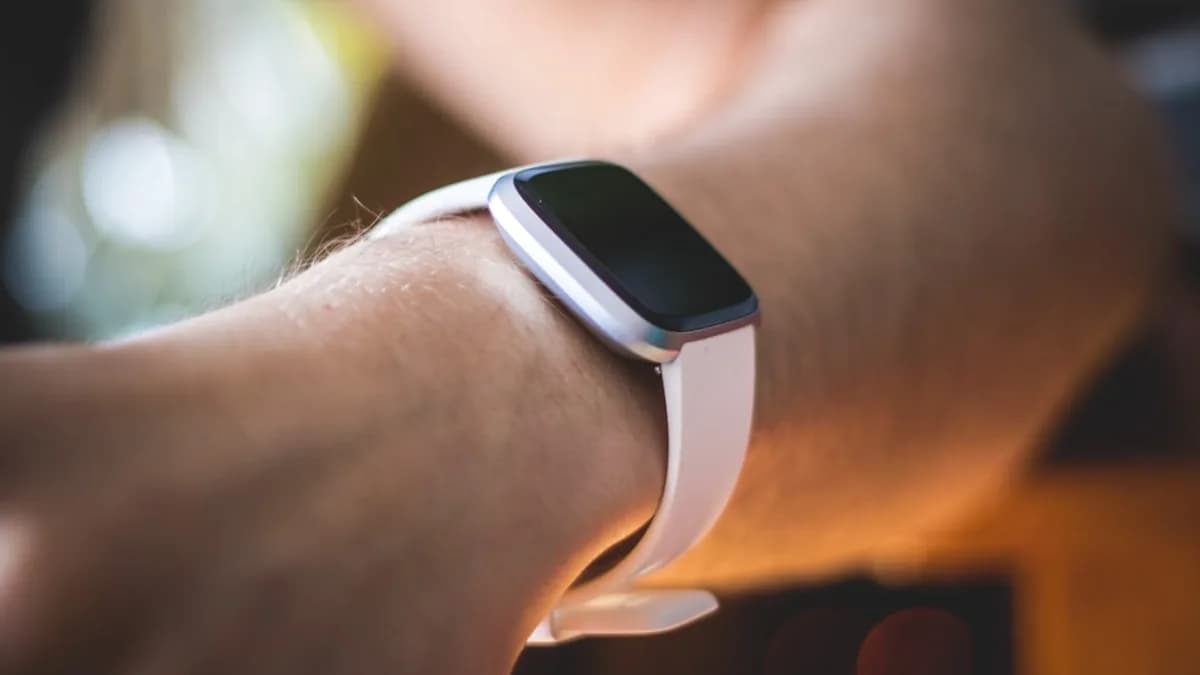
Fitbit Air strips tracking to its essentials—no display, no notifications, just data collection and syncing. That simplicity is paired with a textile/polyurethane band holding a sensor puck, a design that signals Google’s focus on comfort and battery life over smartwatch features.
For $99.99, buyers get core activity, sleep, and health tracking, with no pressure to pay for a subscription. In a market where many wearables gate features or insights behind a paywall, this is a clear attempt to win back users turned off by recurring fees. The optional $9.99/month subscription unlocks Gemini AI analysis, which Google claims can suggest personalized workout and recovery improvements—these features are only available if users opt in, making the device’s value proposition flexible.
The preorder promotions sharpen that pitch. Amazon’s offer makes it possible to get two bands—any combination of white or black, small or large—with the device for the $99.99 launch price (down from a $134.99 MSRP). Best Buy’s deal is less flexible, packaging a small black band automatically rather than letting the buyer choose. Google’s $35 store credit is the most versatile, covering the cost of any band in the lineup, including colors not available at other retailers.
Analysis: Google is using these preorder deals to seed the market with fresh hardware and drive early adoption, but it’s also hedging by giving different incentives through each channel. The fog color, for example, is missing from Amazon’s lineup, subtly steering buyers toward Google’s own store if they want the full selection. For committed Fitbit fans, the Air’s lack of a display and reliance on phone syncing may feel like a throwback, but for buyers seeking low-cost, no-frills health tracking, it’s a direct answer to subscription fatigue.
What’s clear from the retailer incentives is a willingness to compete on value, not just features. The free band (or credit) reduces the effective cost for anyone who wants a backup, and the $99.99 launch price undercuts much of the full-featured tracker market. Still, the true differentiator—Gemini’s AI coaching—remains paywalled, so the real test will be whether users see enough value in the free tier or feel nudged into a recurring subscription.
What to Expect Next: Google Health App and Upcoming Fitbit Air Review
Google isn’t just shipping hardware. The company is prepping a new Google Health app for both iOS and Android, promising deeper personalized health metrics than the current Fitbit software. This app will complement the Air’s core tracking and integrate the Gemini AI features for users who subscribe.
According to The Verge, early reviews and full details on the Google Health app’s integration with Fitbit Air are still pending. Google’s team is targeting richer, more actionable insights, but the specifics of how well Gemini AI works in practice are untested. A detailed review of the Fitbit Air’s performance is expected soon.
What Remains Unclear and What to Watch
Google hasn’t detailed how much of the promised “deep, personalized health metrics” will be available without a subscription, or how seamless the integration between Fitbit Air and the upcoming Health app will be on launch day. There’s also no information yet on battery life, sync speed, or the practical differences between band materials and colors—details that often sway real-world user satisfaction.
Watch for Google’s rollout of the Health app, the first wave of user reviews, and any tweaks to the Gemini AI subscription model. If the free tier offers enough for most users, Fitbit Air could push basic trackers back into the mainstream. On the other hand, if Gemini’s insights prove essential, Google’s real strategy may be to convert hardware buyers into long-term subscription customers.
Either way, the next few weeks will clarify whether Fitbit Air’s stripped-down approach is a cost-saving win or a compromise too far for health-conscious buyers.
Key Takeaways
- Google’s return to hardware with Fitbit Air offers affordable fitness tracking without a subscription requirement.
- Preorder incentives vary by retailer, giving buyers options to customize their device or receive store credit.
- The minimalist design and pricing position Fitbit Air as a competitive choice for those seeking basic health tracking.