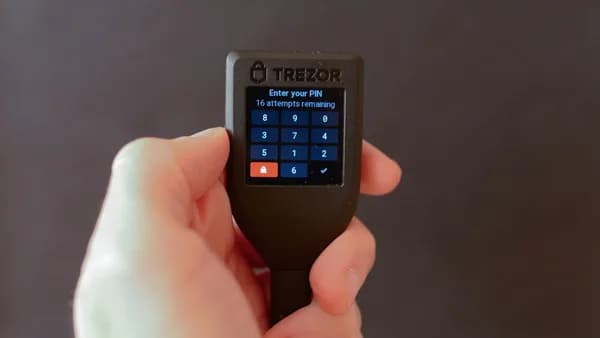
With the explosion of digital assets and altcoins in recent years, securing your cryptocurrency has never been more critical. The best cryptocurrency hardware wallets in 2026 offer robust, offline security while balancing ease of use, broad coin support, and seamless integration with DeFi protocols and NFT management. This guide draws exclusively from leading experts and comprehensive reviews to help you compare, contrast, and ultimately choose the best hardware wallet to protect your digital wealth.
Introduction to Cryptocurrency Hardware Wallets
A cryptocurrency hardware wallet is a dedicated device designed to securely store your private keys offline—also known as cold storage. Unlike software wallets or online (hot) wallets, hardware wallets are immune to malware, phishing, and most remote hacking attempts because they never expose your private keys to the internet or a connected computer.
"The best crypto hardware wallets are cold storage devices that protect your cryptocurrency from hackers. It stores your private keys offline, making it more secure than online software wallets."
— walletreviewer.com
In 2026, hardware wallets have become a cornerstone of personal crypto security, with options catering to everyone from Bitcoin maximalists to DeFi enthusiasts and NFT collectors.
Why Hardware Wallets Are Essential for Crypto Security
The primary advantage of hardware wallets is their ability to keep your private keys isolated from online threats. When you use a hardware wallet:
- Your private keys never leave the device.
- Transactions are signed within the wallet, not on your potentially compromised computer or mobile device.
- Recovery and backup features ensure you can restore your funds if your wallet is lost or damaged.
Given the increasing sophistication of cyber attacks and the irreversible nature of crypto transactions, even experienced crypto users are turning to hardware wallets as their first line of defense.
"If you want to protect your crypto, using a hardware wallet is the best choice."
— walletreviewer.com
Key Features to Consider When Choosing a Hardware Wallet
When selecting among the best cryptocurrency hardware wallets, focus on the following features, as highlighted by walletreviewer.com:
- Security: Look for secure element chips (EAL5+ or higher), PIN code protection, anti-tamper design, and robust backup options.
- Ease of Use: Touchscreens, mobile app integration, Bluetooth connectivity, and QR-code signing can make daily use more convenient.
- Supported Cryptocurrencies: Ensure your wallet supports all the coins and tokens you plan to use, especially if you hold altcoins or NFTs.
- Recovery and Backup: A reliable seed phrase backup or advanced recovery options like Ledger Recover are vital.
- Price and Value: Balance your budget with the features and security level you require.
- Extra Features: Staking, DeFi and NFT support, and mobile compatibility can add significant value.
Top Hardware Wallets in 2026: Overview and Specs
Based on comprehensive reviews and feature analysis, here are the top cryptocurrency hardware wallets in 2026:
| Wallet Name | Security Certification | Supported Coins | Connectivity | Special Features | Price |
|---|---|---|---|---|---|
| ELLIPAL Titan 2.0 | CC EAL5+ | 10,000+ | QR-code (Air-gapped) | Anti-tamper, touchscreen, staking | $119-$149 |
| Ledger Nano X | CC EAL5+ | 5,500+ | USB, Bluetooth | Staking, NFTs, Ledger Live App | $149 |
| Trezor Safe 5 | Not specified | Not specified | Not specified | Privacy, Tor support | N/A |
| Ledger Stax | CC EAL6+ | Not specified | Not specified | Touchscreen | N/A |
| Cypherock X1 | Not specified | Not specified | NFC | Decentralized, card style | N/A |
| Ngrave Zero | EAL7+ | Not specified | Not specified | Highest security certification | N/A |
| Tangem Wallet | Not specified | Not specified | NFC | Keyless, card style | N/A |
| SecuX Neo-X | Infineon SLE 97 | Not specified | Not specified | Infineon chip | N/A |
| Safepal X1 | Not specified | Not specified | Not specified | Budget-friendly | $49 |
| BitBox | Not specified | Not specified | USB | Compact design | N/A |
Note: Only ELLIPAL Titan 2.0 and Ledger Nano X have detailed public specs and pricing as of 2026.
Security Comparison: Encryption, PIN, and Backup Options
Security is the cornerstone of any hardware wallet. Here's how the leading options compare:
| Wallet Name | Security Chip | PIN / Authentication | Backup & Recovery | Anti-tamper Features |
|---|---|---|---|---|
| ELLIPAL Titan 2.0 | CC EAL5+ | PIN, 2FA, Secret Wallet | 2 seed phrase sheets, SD card | Metal-sealed, auto-wipe |
| Ledger Nano X | CC EAL5+ | PIN, Ledger Recover (Coincover) | 24-word recovery phrase | Tamper-resistant chip |
| Trezor Safe 5 | Not specified | Not specified | Not specified | Not specified |
| Ledger Stax | CC EAL6+ | Not specified | Not specified | Not specified |
| Ngrave Zero | EAL7+ | Not specified | Not specified | Not specified |
| Safepal X1 | Not specified | Not specified | Not specified | Not specified |
Notable Security Features
- ELLIPAL Titan 2.0 is 100% air-gapped—no WiFi, Bluetooth, NFC, or USB. All transactions are signed via QR code, greatly reducing remote attack vectors.
- Ledger Nano X leverages a CC EAL5+ secure element and is certified by ANSSI, the French cybersecurity agency. It supports PIN code protection and has a 24-word recovery phrase, with an optional Ledger Recover service.
- Ngrave Zero stands out with an EAL7+ certification, the highest among listed devices, but no additional public details are available at the time of writing.
"ELLIPAL Titan 2.0...is fully metal-sealed and can self-destruct if tampered with."
— walletreviewer.com
Usability and User Interface: Setup and Daily Use
A hardware wallet is only as good as its user experience. Here’s how the top contenders perform:
| Wallet Name | Interface | Mobile App | Setup Process | Daily Use Features |
|---|---|---|---|---|
| ELLIPAL Titan 2.0 | 4" HD touchscreen | Yes (iOS/Android) | QR code-based, simple | Sign via QR, visual verify |
| Ledger Nano X | 128x64 OLED, buttons | Yes (Ledger Live) | Bluetooth/USB setup | Install 100+ apps, stake |
| Safepal X1 | Not specified | Not specified | Not specified | Not specified |
Usability Highlights
- ELLIPAL Titan 2.0 offers a full HD IPS touchscreen, making it easy to navigate and confirm transactions visually. Its air-gapped QR code system eliminates cabling and wireless setup headaches.
- Ledger Nano X has a smaller OLED screen and two physical buttons but compensates with the Ledger Live app, allowing users to manage, swap, and stake crypto directly on mobile or desktop.
- Ledger Nano X’s Bluetooth connectivity streamlines pairing with smartphones and tablets—a major convenience for users on the go.
"Ledger Nano X...Bluetooth feature allows you to connect it to your phone or tablet, and it can hold up to 5000 crypto assets."
— walletreviewer.com
Supported Cryptocurrencies and Integration with Exchanges
Coin support is a major deciding factor for many users.
| Wallet Name | Supported Coins | DeFi/NFT Support | Exchange Integration |
|---|---|---|---|
| ELLIPAL Titan 2.0 | 10,000+ | Staking, NFTs | Connects via QR to dApps |
| Ledger Nano X | 5,500+ | Staking, NFTs (10 blockchains) | Ledger Live: buy, swap, stake |
| Safepal X1 | Not specified | Not specified | Not specified |
- ELLIPAL Titan 2.0 supports over 10,000 coins and tokens, including NFTs, and can interact with decentralized apps through secure QR-code connections.
- Ledger Nano X provides compatibility with 5,500+ cryptocurrencies, DeFi protocols across 1,000+ platforms, and NFT management on 10 blockchains—accessible directly from the Ledger Live app.
- Both wallets support staking for major coins such as Ethereum, Solana, and Cosmos.
"Supports 1,000+ DeFi protocols and NFT management across 10 blockchains...swap, buy and stake directly through the Ledger Live app."
— finder.com
Price and Value: Cost vs. Features
Here’s a breakdown of the most current public pricing and value propositions:
| Wallet Name | Price | Key Features | Value Summary |
|---|---|---|---|
| ELLIPAL Titan 2.0 | $119-$149 | Air-gapped, 10,000+ coins, staking, touchscreen | Top-tier security, user-friendly |
| Ledger Nano X | $149 | Bluetooth, 5,500+ coins, staking, Ledger Live | Feature-rich, mobile-ready |
| Safepal X1 | $49 | Not specified | Budget option |
- ELLIPAL Titan 2.0 is priced from $119 (pre-order) to $149 and includes offline firmware upgrade via SD card and advanced anti-tamper mechanisms.
- Ledger Nano X is available for $149 and offers free global shipping, with a family pack discount at $299.
- Safepal X1 is the most affordable at $49 but lacks detailed public specs at the time of writing.
Pros and Cons of Each Hardware Wallet
Here’s a concise comparison of the main strengths and limitations:
| Wallet Name | Pros | Cons |
|---|---|---|
| ELLIPAL Titan 2.0 | - Air-gapped (QR-only); ultra-secure - Touchscreen - 10,000+ coins - Anti-tamper, auto-wipe - Mobile app |
- No Bluetooth/USB (some may prefer wireless) - Some low-cap altcoins not supported |
| Ledger Nano X | - Bluetooth & USB - 5,500+ coins - Ledger Live app - Staking/NFTs - PIN & recovery - Tamper-resistant |
- Smaller screen - Slightly higher price |
| Safepal X1 | - Cheapest major brand - Portable |
- Fewer public details on security/features |
Final Recommendations Based on Different User Needs
Best for Beginners and Maximum Security:
- ELLIPAL Titan 2.0 stands out as the top choice for security-focused users and beginners. Its 100% air-gapped operation, robust anti-tamper design, and intuitive touchscreen interface make it nearly impervious to remote and physical attacks.
Best for Advanced Users and Mobile Integration:
- Ledger Nano X is ideal for users who want flexibility, Bluetooth convenience, and deep integrations with DeFi, NFTs, and staking. The Ledger Live app simplifies crypto management, and its security certifications ensure your assets are safe.
Best on a Budget:
- Safepal X1 offers an affordable entry point for those new to hardware wallets, but users should carefully research any missing features or certifications as not all details are public.
"You should look for strong security, ease of use, and support for multiple cryptocurrencies...Price and extra features, like Bluetooth or touchscreen, also matter."
— walletreviewer.com
FAQ: Best Cryptocurrency Hardware Wallets in 2026
Q1: What makes a hardware wallet more secure than a software wallet?
A1: Hardware wallets keep your private keys offline, preventing exposure to malware, phishing, and remote attacks. All transactions are signed inside the device and never reveal your private keys to the internet.
Q2: Which hardware wallet has the highest security certification in 2026?
A2: According to current reviews, the Ngrave Zero features EAL7+ security certification, though other details are not as publicly available as for ELLIPAL or Ledger.
Q3: Can I stake my crypto or manage NFTs with these wallets?
A3: Yes. Both ELLIPAL Titan 2.0 and Ledger Nano X support staking for major coins and NFT management. Ledger Live offers direct staking and NFT management across multiple blockchains.
Q4: Which wallet supports the most cryptocurrencies?
A4: As of 2026, ELLIPAL Titan 2.0 leads with support for over 10,000 cryptocurrencies and tokens.
Q5: What if I lose my hardware wallet?
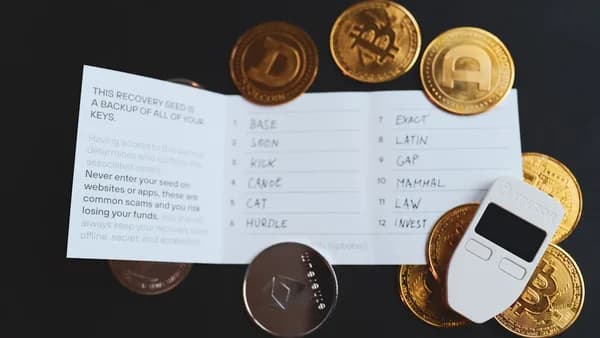
A5: All leading wallets provide a backup and recovery mechanism, typically a 24-word seed phrase or recovery sheets, allowing you to restore your funds on a new device.
Q6: Is Bluetooth safe for hardware wallets?
A6: Devices like Ledger Nano X use a secure element chip and PIN protection to ensure Bluetooth connectivity does not compromise security.
Bottom Line
In 2026, the best cryptocurrency hardware wallets combine robust, certified security with broad coin support and user-friendly features. The ELLIPAL Titan 2.0 is the standout for those prioritizing security and simplicity, while the Ledger Nano X offers a rich feature set and seamless mobile integration. Budget-conscious users may consider the Safepal X1, but should evaluate its specifications carefully. Always choose a wallet that matches your security needs, supported coins, and ease-of-use preferences, and never compromise on backup and recovery options.