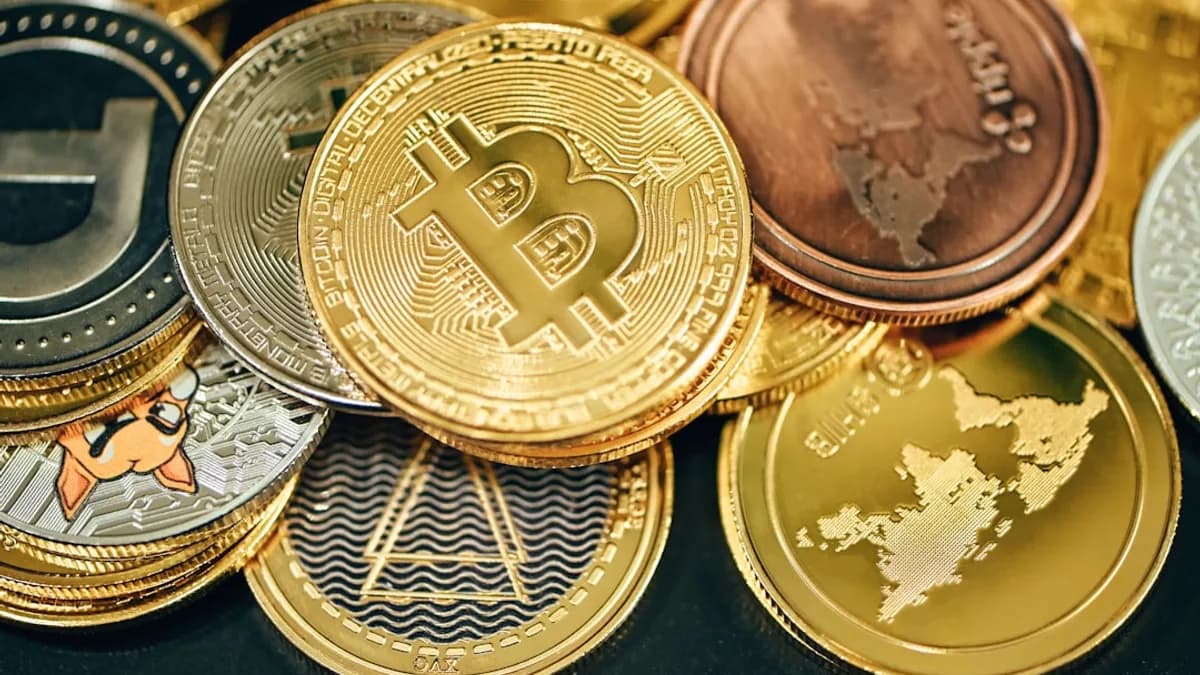
In the ever-evolving world of cryptocurrency, the debate between decentralized vs centralized exchanges remains a central topic for traders in 2026. Choosing the right type of exchange can significantly impact your trading experience, security, and even your regulatory obligations. This in-depth analysis examines how centralized and decentralized exchanges work, their core differences, and the advantages and trade-offs of each model—empowering you to make informed decisions in today’s crypto ecosystem.
Introduction to Centralized and Decentralized Exchanges
Cryptocurrency exchanges serve as the backbone of the digital asset marketplace, enabling users to buy, sell, and swap crypto assets. These platforms fall into two fundamental categories:
- Centralized Exchanges (CEXs): Operated by a single company or entity, acting as intermediaries between buyers and sellers.
- Decentralized Exchanges (DEXs): Built on blockchain protocols, allowing users to trade directly with one another, without a central authority.
This distinction is not just technical—it influences everything from security and privacy to liquidity, fees, and compliance. As the crypto industry matures in 2026, understanding the nuances between decentralized vs centralized exchanges is more critical than ever for effective and safe trading.
How Centralized Exchanges Operate
Centralized exchanges have been the traditional hubs for crypto trading. Platforms like OKX, Coinbase, and Binance are prime examples (as noted in the OKX guide). Here’s how they work:
- Custody and Control: Users deposit their crypto (and often fiat) into the exchange’s custody. The platform manages funds, order matching, and transaction execution.
- Order Books: CEXs use centralized order books to match buy and sell orders, ensuring high-speed and efficient trade execution.
- Onboarding and KYC: New users register accounts, typically completing Know Your Customer (KYC) and Anti-Money Laundering (AML) checks for compliance.
- Customer Support: CEXs provide 24/7 customer service and dispute resolution.
- Fiat On/Off Ramps: Users can convert traditional currencies to crypto and vice versa, simplifying market entry for newcomers.
"Centralized exchanges aggregate massive user bases, delivering deep order books and tight spreads. This means you can execute trades quickly, even with large amounts."
— OKX CEX vs DEX Guide
CEXs are favored for their familiarity, user-friendly interfaces, and advanced features (such as leverage, derivatives, and various order types). However, they require users to trust the platform with their assets.
How Decentralized Exchanges Operate
Decentralized exchanges (DEXs) represent a different philosophy—removing the middleman and returning control to individual users. Examples include Uniswap and PancakeSwap (OKX source).
- Peer-to-Peer Trading: Trades are facilitated directly between users via smart contracts on blockchain networks (e.g., Ethereum).
- Self-Custody: Users connect wallets (like MetaMask or OKX Wallet) and retain control of their private keys at all times.
- No Central Authority: There’s no company in charge—autonomous protocols manage order execution.
- No KYC Required: Most DEXs do not require identity verification, supporting pseudonymous trading.
- Open Access: Anyone with a compatible wallet can trade, regardless of location or background.
"In a decentralized network, no single entity has full control. Instead, authority is spread across multiple nodes ... If one node fails, the system continues running without disruption."
— What is Decentralization? (nym.com)
While offering privacy and autonomy, DEXs can be more complex for beginners and may lack some conveniences of centralized platforms.
Security and Custody Differences
Security is one of the most critical factors when analyzing decentralized vs centralized exchanges.
| Attribute | Centralized Exchanges (CEX) | Decentralized Exchanges (DEX) |
|---|---|---|
| Custody | Platform holds user funds | Users maintain self-custody |
| Attack Surface | Central point of failure | No central point, but smart contracts can be exploited |
| User Privacy | User data and funds stored centrally | Minimal user data collected |
| Support | Customer support available | Users are responsible for their own funds |
Security Pros and Cons
- CEXs: Employ advanced security measures (e.g., multi-factor authentication, cold storage) but remain targets for large-scale hacks due to the concentration of assets and user data.
- DEXs: Eliminate single points of failure, meaning that a hack cannot drain all user assets at once. However, risks shift to smart contract vulnerabilities and the user's responsibility for key management.
"Since there’s no central point of failure, [DEXs] are less vulnerable to hacking attacks and other security breaches. Additionally, DEXs offer increased privacy as user data is not stored on centralized servers."
— CryptoIndustry.com
"Your assets are held by the platform, which may be targeted by hackers or subject to technical outages."
— OKX Guide
Summary:
CEXs centralize risk but can offer insurance and customer recourse. DEXs require vigilance and technical acumen from users.
Liquidity and Trading Volume Comparison
Liquidity refers to how easily assets can be bought or sold without affecting prices. Trading volume reflects how active the exchange is. Both are crucial for efficient trading.
| Attribute | Centralized Exchanges (CEX) | Decentralized Exchanges (DEX) |
|---|---|---|
| Liquidity | High (deep order books, tight spreads) | Variable (can be lower, especially for small tokens) |
| Price Execution | Fast, reliable | May experience slippage or delays on less liquid pairs |
| Market Reach | Global, but may restrict some regions | Global, open to anyone with a wallet |
"CEXs typically have higher trading volumes and liquidity, which can lead to tighter spreads and easier execution of trades. DEXs, especially smaller ones, may have limited liquidity, which can impact price discovery and execution speed."
— CryptoIndustry.com
"Liquidity Fragmentation: DEXs may suffer from lower trading volumes or slippage, especially on newer/smaller assets."
— OKX Guide
Summary:
CEXs dominate in liquidity, making them ideal for large trades and institutional players. DEX liquidity is rapidly improving but still varies widely by platform and asset.
Fee Structures and Cost Implications
Understanding fees is essential for maximizing your returns. The structure and amount of fees differ between CEXs and DEXs.
| Fee Type | Centralized Exchanges (CEX) | Decentralized Exchanges (DEX) |
|---|---|---|
| Trading Fees | Generally lower for high-volume traders; variable per exchange | Often higher (network/gas fees), flat per trade |
| Deposit/Withdrawal | CEXs may charge for deposits and withdrawals | DEXs usually do not charge withdrawal fees; network fees apply |
| Fee Transparency | Clear, posted rates | Network and protocol-dependent; can fluctuate with blockchain congestion |
- CEXs: Charge explicit trading, deposit, and withdrawal fees. High-volume traders often benefit from lower rates.
- DEXs: Users pay "gas" fees to miners/validators for processing transactions, which depend on blockchain congestion (e.g., Ethereum fees). Some DEXs charge protocol fees per trade.
"CEXs often charge fees for trading, deposits, and withdrawals. DEXs may charge transaction fees or utilize a gas fee model, where users pay a fee to process transactions on the underlying blockchain."
— CryptoIndustry.com
"Generally lower with high volume, variable."
— OKX Guide (on CEX fees)
Summary:
CEXs may offer lower trading fees, especially for frequent traders. DEX costs can spike during network congestion but do not involve withdrawal fees.
User Experience and Accessibility
Ease of use can determine whether a platform is suitable for beginners or advanced traders.
| Attribute | Centralized Exchanges (CEX) | Decentralized Exchanges (DEX) |
|---|---|---|
| Onboarding | Account creation, KYC required | Wallet connection, no account needed |
| Interface | User-friendly, feature-rich | Historically complex, but improving |
| Support | 24/7 customer service | Self-service, no customer support |
| Fiat Integration | Yes, fiat on/off ramps | Rare, mostly crypto-to-crypto |
"CEXs generally provide a more user-friendly interface, making them easier for beginners to navigate. They often offer a wider range of features and services, such as leverage, derivatives, and fiat gateways."
— CryptoIndustry.com
"Registration, deposits, and withdrawals are user-friendly. CEXs also offer dedicated customer support."
— OKX Guide
"DEXs are generally more complex to use, especially for those unfamiliar with blockchain technology. However, advancements in DEX technology are making them more accessible to a wider audience."
— CryptoIndustry.com
Summary:
CEXs are ideal for beginners and users who value convenience and support. DEXs are gaining ground in usability but still require more self-reliance.
Regulatory Considerations and Compliance
Regulation is a defining factor, affecting user obligations and platform features.
| Attribute | Centralized Exchanges (CEX) | Decentralized Exchanges (DEX) |
|---|---|---|
| Regulation | Licensed, subject to financial laws | Largely unregulated |
| KYC/AML Requirements | Mandatory for most features | Usually not required |
| User Restrictions | May restrict users by region | Open to anyone with a compatible wallet |
"CEXs are often subject to regulatory oversight, which can provide a degree of security and trust for users. However, regulatory requirements can also be burdensome and limit certain features or services. DEXs are generally less regulated, which can offer more freedom but also pose risks."
— CryptoIndustry.com
"These platforms operate under financial regulations, offer mandatory identity verification (KYC/AML), and often provide insurance or emergency funds."
— OKX Guide
Summary:
CEXs provide regulatory assurance and sometimes insurance but may restrict access or require extensive user data. DEXs offer more privacy and open access, but with increased risk and little legal recourse.
Which Exchange Type is Right for Different Users?
Given the above, the ideal exchange type depends on your priorities, experience, and risk tolerance.
CEXs are best for:
- Beginners: Friendly interfaces, support, and fiat ramps.
- High-Volume Traders: Deep liquidity and advanced features.
- Those Who Value Regulation: Assurance of compliance, possible insurance.
DEXs are best for:
- Privacy Advocates: Minimal data collection, pseudonymous trading.
- Self-Custody Enthusiasts: Users who want full control over their assets.
- Global Users: Those excluded from CEXs due to regional restrictions.
"When deciding between a decentralized exchange and a centralized exchange, several factors, including your trading experience, security preferences, and need for privacy, should be considered."
— CryptoIndustry.com
Conclusion and Future Trends
Both centralized and decentralized exchanges play vital roles in the cryptocurrency ecosystem. In 2026, CEXs remain dominant in liquidity, accessibility, and regulatory compliance, while DEXs champion autonomy, privacy, and self-sovereignty.
As technology evolves, the lines are blurring—some platforms (such as OKX) are integrating features from both worlds, offering users unprecedented flexibility. Advancements in smart contract security, layer-2 scaling, and decentralized identity protocols are making DEXs more user-friendly and efficient.
"CEXs enable mass adoption with regulated features, while DEXs empower users with autonomy and privacy."
— OKX Guide
In the future, expect continued convergence, with hybrid solutions addressing current limitations and offering the best of both models.
FAQ: Decentralized vs Centralized Exchanges
Q1: Which exchange type is more secure?
A: DEXs are generally more resilient to hacks due to their lack of a central point of failure, while CEXs, despite strong security protocols, centralize risk (CryptoIndustry.com, OKX).
Q2: Do I need to complete KYC to use a DEX?
A: No. Most DEXs do not require KYC or AML checks, allowing for pseudonymous trading (CryptoIndustry.com, OKX).
Q3: Are fees higher on DEXs or CEXs?
A: DEXs can have higher fees due to network (gas) costs, especially during congestion. CEXs offer variable fees, often lower for high-volume traders (OKX, CryptoIndustry.com).
Q4: Can I use fiat currency on DEXs?
A: Rarely. CEXs commonly support fiat on- and off-ramps; DEXs are mostly limited to crypto-to-crypto trades (OKX, CryptoIndustry.com).
Q5: What happens if a CEX is hacked?
A: Users’ funds are at risk since assets are held by the platform. Some CEXs provide insurance or emergency funds, but losses are still possible (OKX, CryptoIndustry.com).
Q6: Who should choose a DEX over a CEX?
A: Users prioritizing privacy, self-custody, or those excluded from CEXs due to regulations may prefer DEXs (CryptoIndustry.com, OKX).
Bottom Line
Decentralized vs centralized exchanges each offer unique strengths and trade-offs. CEXs excel in liquidity, user experience, and compliance, making them suitable for most users, especially newcomers and institutions. DEXs, on the other hand, provide unmatched privacy, self-custody, and censorship resistance, appealing to advanced users and privacy advocates.
Your choice should reflect your values, risk tolerance, and trading needs. With ongoing innovation and hybrid models emerging, the future points toward more flexible, secure, and user-centric crypto exchange experiences.
"Whenever possible, Nym recommends using decentralized platforms ... to protect your privacy against third-party surveillance."
— What is Decentralization? (nym.com)
Whether you choose a CEX or DEX, remain vigilant, understand the risks and benefits, and select the platform that aligns with your goals in the dynamic world of cryptocurrency trading in 2026.