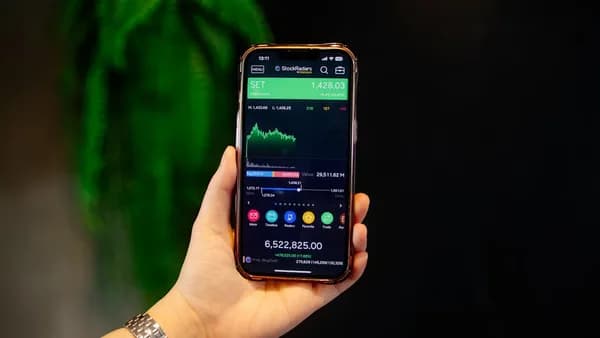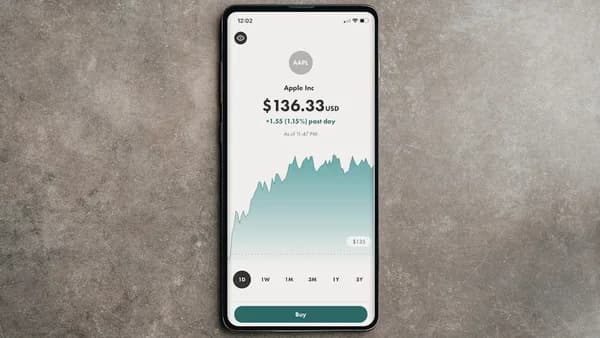
Managing your money effectively means more than just tracking spending or setting savings goals—it’s about seeing your entire financial picture in one place. In 2026, consumers expect their budgeting tools to sync with investment platforms, making financial management seamless and smarter. With the right budgeting tools that sync with investment platforms, you can monitor your day-to-day expenses while keeping an eye on your long-term investment growth, all from a single dashboard.
This guide analyzes how modern budgeting tools integrate with investment accounts, what features to prioritize, and the real-world benefits and limitations you should consider. If you’re looking to consolidate your financial tracking for better results, read on for a data-driven breakdown.
Overview of Budgeting Tools and Investment Platforms
Budgeting tools help users plan and track their income and expenses, making it possible to set and achieve financial goals. As noted by trusted sources like ramseysolutions.com and consumer.gov, the core elements of budgeting include:
- Listing all sources of income (paychecks, side hustles, etc.)
- Documenting all expenses (fixed and variable)
- Continuously tracking actual spending
- Adjusting budgets monthly to stay on track
Investment platforms, on the other hand, are services or apps where users can buy, sell, and hold assets such as stocks, bonds, ETFs, and retirement accounts.
In recent years, leading budgeting apps have evolved to offer integration with investment platforms, allowing users to see both spending and investing activity together. Aggregator apps, highlighted by finder.com, let users securely sync their bank, credit, and investment accounts in real time, making them a preferred solution for holistic financial management.
Importance of Syncing Budgeting Tools with Investments
Why should your budgeting app talk to your investment accounts? The research points to several critical advantages:
- Holistic View: Combining spending and investments gives a full picture of your net worth and financial health.
- Goal Tracking: Saving and investing are intertwined. When your budget shows how much is going into investments, you can better assess progress toward retirement or other long-term goals.
- Reduced Overspending: Real-time updates from all accounts help avoid accidental overdraws or missing out on investment opportunities.
- Simplified Planning: As ramseysolutions.com stresses, budgeting is about telling your money where to go. Integrating investments makes it easier to allocate extra funds to savings or investments.
"A budget helps you make sure you’ll have enough money every month. Without a budget, you might run out of money before your next paycheck. A budget can also help you save for your goals or emergencies."
— consumer.gov
Criteria for Evaluating Integration Capabilities
Not all budgeting tools are created equal when it comes to syncing with investment platforms. Based on the research, consider these criteria:
| Criteria | Why It Matters |
|---|---|
| Account Aggregation | Can the tool import data from multiple banks and investment platforms? |
| Real-Time Syncing | Does it update balances and transactions automatically? |
| Security Standards | How does it protect your login credentials and financial data? |
| Customization | Can you categorize investments, set savings goals, and plan for variable income? |
| Usability | Is the interface user-friendly for setup, review, and adjustments? |
| Reporting and Analytics | Does it visualize investment growth alongside spending trends? |
| Platform Coverage | Which investment brokers or platforms does it support? |
"Aggregator apps show multiple financial accounts in one place. They work by securely syncing your bank, credit and investment information in real-time."
— finder.com
Top Budgeting Tools with Investment Platform Sync Features
Based on the latest analysis from CNBC, Forbes Advisor, PCMag, and other reputable sources, several budgeting tools stand out for their seamless integration with investment platforms. Here’s how they compare:
| Tool | Core Sync Features | Investment Platform Integration | Notable Strengths |
|---|---|---|---|
| Monarch | Real-time syncing across bank, bill, and investments | Supports major brokers, real-time aggregation | Envelope-style budgeting, scenario planning |
| YNAB | Syncs with banks and select investment accounts | Limited investment account support | Highly customizable, goal-focused |
| Simplifi | Aggregates bank, credit, and investment accounts | Wide support for investment platforms | Visual dashboards, easy setup |
| Origin | Syncs with bank and investment accounts | Supports retirement and brokerage accounts | Comprehensive analytics, planning tools |
1. Monarch
- Real-Time Sync: Monarch offers live aggregation of investment, bank, and bill accounts, providing up-to-date portfolio and spending data.
- Scenario Planning: Updated envelope-style budgeting tools support variable incomes and changing investment contributions.
- Platform Support: Monarch supports major investment brokers and retirement platforms, but check for your specific provider.
2. YNAB (You Need A Budget)
- Goal-Oriented: YNAB lets users assign every dollar (including investment contributions) a job, integrating investment tracking for select platforms.
- Customization: Best for users who want deep control over their categories and proactive financial planning.
3. Simplifi
- Broad Aggregation: Simplifi aggregates data from a wide variety of financial institutions, including investment and retirement accounts.
- Visual Insights: Clear dashboards let users see cash flow and investment growth side-by-side.
4. Origin
- Comprehensive Tracking: Origin supports syncing with both bank and investment accounts, including retirement portfolios.
- Analytics: Strong reporting tools help visualize how investments contribute to overall financial health.
"Compare the best personal finance and budgeting tools for 2026, including Origin, Monarch, YNAB, Simplifi, and more. See features, pros, costs, and which app fits your financial goals."
— useorigin.com
How Integration Improves Financial Planning
When your budgeting tool syncs seamlessly with your investment platforms, the benefits are substantial:
- Consolidated Dashboard: You can view all your finances—checking, savings, credit, and investments—in one interface.
- Informed Decisions: Real-time data helps you see the impact of spending changes on your investment contributions.
- Automated Tracking: No more manual entry of transfers to retirement or brokerage accounts.
- Progress Monitoring: Set investment goals and monitor progress as part of your monthly budget review.
For example, as ramseysolutions.com and consumer.gov both stress, tracking every dollar—including what’s invested—makes it much easier to stick to your plan and reach your goals.
Security and Privacy in Linked Financial Apps
Security is a top concern when linking sensitive investment data to third-party budgeting tools. The best apps employ robust security measures:
- Bank-Level Encryption: Most leading apps use 256-bit encryption to protect your data.
- Read-Only Access: Aggregator apps typically access your accounts in read-only mode, meaning they can view but not move your money.
- Two-Factor Authentication (2FA): Extra login steps help keep accounts safe.
- Privacy Policies: Reputable apps are transparent about how they use your data and do not sell it to third parties.
"Aggregator apps show multiple financial accounts in one place. They work by securely syncing your bank, credit and investment information in real-time."
— finder.com
Always check the app’s security documentation and reviews before linking investment accounts.
User Experience: Sync Setup and Maintenance
Setting up sync between your budgeting tool and investment platform is usually straightforward, but each app has its process:
- Account Linking: Most apps prompt you to log in to your investment accounts through a secure interface.
- Data Refresh: Real-time syncing ensures your balances update automatically, but some apps may require manual refresh.
- Maintenance: Occasionally, you may need to re-authenticate or relink an account if your investment provider updates its security or API.
Common Steps
- Select your investment provider from a list.
- Enter your credentials securely (many use third-party aggregators like Plaid).
- Authorize read-only access for balance and transaction data.
- Review and categorize imported transactions.
If you switch brokers or change account types, most apps allow you to add or remove accounts easily.
Case Studies: Real User Benefits
While individual user stories are not detailed in the source data, the documented benefits of integrated budgeting and investment tracking include:
- Better Emergency Preparedness: Users who track both spending and investments spot gaps and can allocate more to emergency funds.
- Debt Paydown Acceleration: By seeing all accounts in one place, users reallocate uninvested cash toward debt when needed.
- Goal Achievement: Setting specific investment goals (like a $6,000 IRA contribution) within the budget makes hitting them more likely.
"A budget is only effective if you track all your spending—no matter how small—to prevent overspending."
— ramseysolutions.com
Limitations and Potential Issues
While the advantages are clear, there are a few limitations and potential issues to note:
- Partial Platform Support: Not every budgeting tool supports every investment provider. Always verify compatibility.
- Occasional Sync Errors: Connection failures can temporarily disrupt data flow, requiring relinking or manual entry.
- Security Anxiety: Some users are (rightly) cautious about sharing login credentials, even with reputable apps.
- Limited Investment Analytics: Most budgeting tools aim to show balances, not to replace full-featured investment analysis platforms.
"If the number is less than zero, you’re spending more money than you make. Look for things in your budget you can change."
— consumer.gov
Final Thoughts and Recommendations
Linking your budgeting tool to your investment platforms in 2026 is not just a convenience—it’s a financial game changer. Based on real research:
- Monarch, YNAB, Simplifi, and Origin stand out for their integration capabilities.
- Choosing the right tool depends on your need for customization, platform coverage, and analytics.
- Security should always be a top priority; use only apps with robust encryption and transparent privacy policies.
- Integration empowers smarter decisions, helps set realistic goals, and reduces the risk of financial blind spots.
If you’re serious about mastering your money, start with an app that syncs all your accounts. Review your budget monthly, track every dollar (including those invested), and use the insights to adjust as your life and goals evolve.
FAQ: Budgeting Tools That Sync with Investment Platforms
Q1: What is the main benefit of using a budgeting tool that integrates with investment platforms?
A: The main benefit is having a consolidated view of all spending, saving, and investment activity, making it easier to manage finances holistically and meet both short- and long-term goals.
Q2: Which budgeting tools are known for strong investment platform integration?
A: According to recent research, Monarch, YNAB, Simplifi, and Origin offer robust syncing with various investment accounts.
Q3: Is it safe to link my investment accounts to a budgeting app?
A: Leading apps use bank-level encryption and read-only data access to protect your information. Always verify the app’s security measures before linking accounts.
Q4: Can budgeting tools help me track irregular income and investments?
A: Yes. As noted by ramseysolutions.com, tools can be customized to accommodate variable income, and investment syncing allows for accurate tracking of all inflows and outflows.
Q5: What should I do if my investment provider isn’t supported?
A: Check the app’s list of supported institutions. If your provider isn’t available, you may need to enter data manually or choose another app with broader support.
Q6: How often should I review my synced budget and investments?
A: It’s recommended to review your budget and investment progress monthly, adjusting as needed for seasonal expenses or changing goals.
Bottom Line
Budgeting tools that sync with investment platforms are essential for effective financial management in 2026. By aggregating all accounts, these tools offer a complete financial picture, enhance goal setting, and empower users to make better money decisions. Choose a tool that matches your needs, review your financial plan regularly, and take control of your money with confidence.