Taking control of your financial future starts with a clear plan—especially if you’re carrying debt. In 2026, using budgeting tools for debt reduction is not just practical, but essential for anyone determined to break free from the burden of loans, credit cards, and other obligations. This guide offers step-by-step, evidence-backed instructions for choosing, setting up, and maximizing budgeting tools so you can systematically pay down debt and build long-term financial health.
Understanding Debt and Its Impact on Personal Finance
Before diving into tools and tactics, it’s critical to understand why debt is such a formidable challenge—and why a proactive approach matters.
Debt, whether from credit cards, student loans, or medical bills, can feel like a heavy anchor. It restricts your choices, siphons away income through interest, and can cause significant stress. As one source highlights:
“Debt can feel like a heavy anchor, dragging you down and limiting your choices. Yet, with the right approach, you can turn this challenge into an opportunity for growth.” (astrado.org)
A key first step is to list every single debt:
- Total amount owed
- Interest rate
- Minimum monthly payment
- Payment due date
By getting a full, honest picture, you’ll know exactly what you’re up against. This clarity is foundational for building a plan that works.
Why Budgeting Tools Are Essential for Debt Reduction
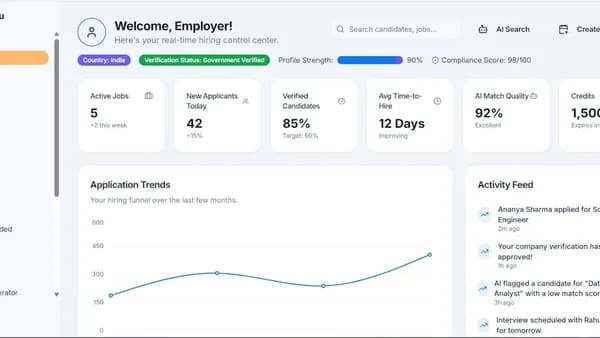
Budgeting tools—from simple spreadsheets to advanced apps—are powerful allies in your debt reduction journey. Why? Because at its core, budgeting is about awareness.
- Tracking every dollar: Recording income and expenses reveals spending patterns you might otherwise miss.
- Real-time monitoring: Many digital tools offer up-to-date snapshots of your finances, helping you spot overspending or unexpected charges.
- Momentum through progress: Consistently logging and reviewing your budget builds discipline, which is key to staying motivated.
The importance of this process is echoed across financial education resources:
“Tracking your finances fosters consistent progress monitoring, preventing new debts from slipping under the radar. With this discipline, you build momentum—and small successes fuel your motivation.” (astrado.org)
Pairing a zero-based budgeting approach—where every dollar is assigned a job—with automated payments ensures your focus stays on eliminating debt, not just managing it.
Choosing the Right Budgeting Tool for Your Needs
The right tool depends on your preferences, comfort with technology, and desired features. According to the source data, you have a range of options:
| Tool Type | Strengths | Ideal User |
|---|---|---|
| Spreadsheets | Customizable, free, flexible | DIY, Excel/Google Sheets savvy |
| Budgeting Apps | Real-time tracking, automation, insights | Those wanting ease and reminders |
| Online Calculators | Payoff scenario forecasting | Strategy planners, goal setters |
Key Features to Consider
- Visualization: Charts and graphs can help you see progress at a glance.
- Security: Look for tools with strong privacy measures if connecting financial accounts.
- Comprehensive Reporting: Some apps go beyond tracking to offer in-depth analysis.
- Automation: The ability to set up alerts and automate payments is a major advantage.
“Choosing the right platform depends on personal preference, technical comfort, and the level of detail you require. Some tools excel at visualization, while others focus on security or comprehensive reporting.” (astrado.org)
If you’re just starting out or prefer not to link your accounts, a simple spreadsheet might suffice. If you want more guidance and less manual work, a dedicated app could be ideal. At the time of writing, specific app names and pricing were not detailed in the sources.
Setting Up Your Budget: Income, Expenses, and Debt Payments
A successful budget starts with a thorough assessment of your income and expenses.
Step 1: Calculate Your Net Income
- Include all sources (main job, side gigs).
- Use post-tax, take-home pay.
Step 2: Track and Categorize Expenses
Break down spending into:
- Fixed: Rent, utilities, insurance
- Variable: Groceries, fuel, entertainment
- Irregular: Repairs, gifts, medical bills
According to one practical guide:
“Look at your last 30 to 60 days of bank statements. Categorize expenses as fixed, variable, or irregular. You might discover that $400 a month is going to food delivery or subscriptions you forgot you had.” (usfblogs.usfca.edu)
Step 3: Build a Survival Budget
Focus only on essentials:
- Rent/mortgage
- Utilities
- Groceries
- Transportation
- Minimum debt payments
Any surplus after covering these basics can be allocated to extra debt payments or a small emergency fund. For example, if your monthly expenses are ₹30,500 and your income is ₹35,000, you have a ₹4,500 buffer for debt reduction or savings.
Step 4: Set Up in Your Tool
- Enter all income sources.
- Add recurring and variable expenses.
- List all debts with amounts, minimums, and due dates.
Automate recurring payments where possible to avoid late fees and missed payments.
Creating a Debt Repayment Plan Using the Tool
Once your budget is set, the next step is to choose a repayment strategy and use your tool to stay on track.
Debt Repayment Strategies
| Strategy | How it Works | Pros | Cons |
|---|---|---|---|
| Avalanche | Pay extra toward highest interest debt first | Saves most money on interest | Progress may feel slow |
| Snowball | Pay extra toward smallest balance first | Quick wins, boosts motivation | May pay more interest over time |
As the Consumer Financial Protection Bureau summarizes:
“If you’re motivated by saving the most money while still paying off your debts, the highest interest rate method might be the right choice for you. However, if you’re motivated by seeing progress quickly, then you may want to consider the snowball method.” (consumerfinance.gov)
Example: Applying the Avalanche Method
Suppose you owe $12,000 across three credit cards at 19%, 14%, and 7% interest. By focusing extra payments on the highest rate (19%), and redirecting an extra $200/month, you could shave eight months off your schedule and save over $900 in interest.
Your budgeting tool or an online calculator can help you:
- Forecast payoff timelines under different methods
- Visualize how long each debt will take to clear
- Adjust your plan as your situation changes
Automate and Review
- Automate debt payments to avoid late fees.
- Set up alerts in your app or calendar for due dates.
- Review your progress monthly—adjust as needed for income or expense changes.
Tracking Your Progress and Adjusting Your Budget
Consistent monitoring is crucial for staying on track and making necessary adjustments.
How to Track Effectively
- Use the built-in tracking features of your budgeting tool.
- Check monthly summaries to compare actual spending vs. budgeted amounts.
- Watch debt balances decrease over time—many apps visualize this with graphs or progress bars.
“Tracking your finances fosters consistent progress monitoring, preventing new debts from slipping under the radar.” (astrado.org)
Adjusting for Life Changes
- If your income increases (raise, bonus, side gig), consider boosting debt payments or emergency savings.
- If you face new expenses, adjust your categories and reallocate funds as needed.
Review Frequency
- Monthly: Check your progress and make routine tweaks.
- Quarterly: Revisit your entire budget to account for bigger life changes.
Tips to Stay Motivated and Avoid Common Pitfalls
Debt repayment is a marathon, not a sprint. Staying motivated and sidestepping common mistakes will make all the difference.
Motivation Boosters
- Set milestones: Celebrate paying off each debt or hitting savings targets.
- Track improvements: Watch your credit score and overall net worth rise.
- Join communities: Online forums and accountability partners can provide encouragement.
Avoid These Pitfalls
- Being too strict: Leave a small allowance for fun to avoid burnout.
- Ignoring small expenses: Little costs add up over time—track everything.
- Overestimating discipline: Make your plan realistic, not aspirational.
“The goal isn’t to punish yourself—it’s to build habits that are sustainable even when money’s tight.” (usfblogs.usfca.edu)
Smart Strategies
- Automate everything you can: Payments, savings, and even reminders.
- Build an emergency fund: Even a small cushion (₹10,000–₹20,000) can prevent new debt when surprises hit.
- Use windfalls wisely: Allocate bonuses or refunds toward debt, savings, and a little for yourself.
Case Study: Successful Debt Reduction Using Budgeting Apps
Real-life examples show that both the avalanche and snowball methods work—especially when supported by budgeting tools.
Jane’s Avalanche Success
Jane owed $12,000 across three credit cards (19%, 14%, 7%). By using a budgeting app to track her spending and automate payments, she directed an extra $200/month to the highest-interest card. Result:
- 8 months shaved off her payoff schedule
- Over $900 saved in interest
Tom’s Snowball Motivation
Tom had $6,500 in mixed debt. He focused on a small $500 loan first. Paying it off quickly gave him a confidence boost. With each “win,” his motivation grew, and within 18 months, he became debt-free.
These stories highlight how the right approach—paired with the right tools—can turn theory into real results.
Additional Resources for Financial Wellness
While budgeting tools are indispensable, broader financial education and support can further boost your success.
- Consumer Financial Protection Bureau: Offers free worksheets and the “Get a Handle on Debt” boot camp. CFPB Tools
- NerdWallet: Guides on debt repayment strategies and budgeting. NerdWallet
- PowerPay (Utah State University Extension): Debt calculators for payoff scenarios. PowerPay
- Community Forums: Online groups for sharing tips and encouragement.
If you’re struggling to make payments, contact your creditors. Many offer hardship programs or payment adjustments.
FAQ: Using Budgeting Tools for Debt Reduction
1. What’s the best budgeting tool for debt reduction?
At the time of writing, sources recommend choosing based on your technical comfort. Spreadsheets offer flexibility, while budgeting apps provide real-time tracking and automation. No single “best” tool fits everyone.
2. Should I use the avalanche or snowball method?
Both are effective. Avalanche saves the most on interest; snowball provides faster psychological wins. Pick the strategy that aligns with your motivation style.
3. How often should I review and adjust my budget?
Monthly reviews are ideal, with quarterly deep-dives to account for major life changes.
4. Is it better to build an emergency fund or pay off debt first?
Sources suggest building a small emergency fund (₹10,000–₹20,000) first to avoid new debt when surprises arise, then prioritize extra payments to high-interest debt.
5. Can budgeting tools help with irregular income?
Yes. By tracking average monthly income and expenses, you can smooth out fluctuations and plan more effectively.
6. What if I can’t make my minimum payments?
Contact your creditors immediately. Many offer hardship programs, payment deferrals, or temporary interest reductions.
Bottom Line
Using budgeting tools for debt reduction is a proven, research-backed method for regaining control of your finances in 2026. Start by listing all your debts, track every dollar with a tool that suits your style, and select a repayment strategy that keeps you motivated. Automate payments, monitor progress, and adjust your plan as life changes. Remember, the right combination of disciplined budgeting and digital support can turn a daunting debt journey into a series of achievable steps. With consistency, you’ll see your balances shrink—and your confidence grow. Start today, and take the first step toward lasting financial freedom.