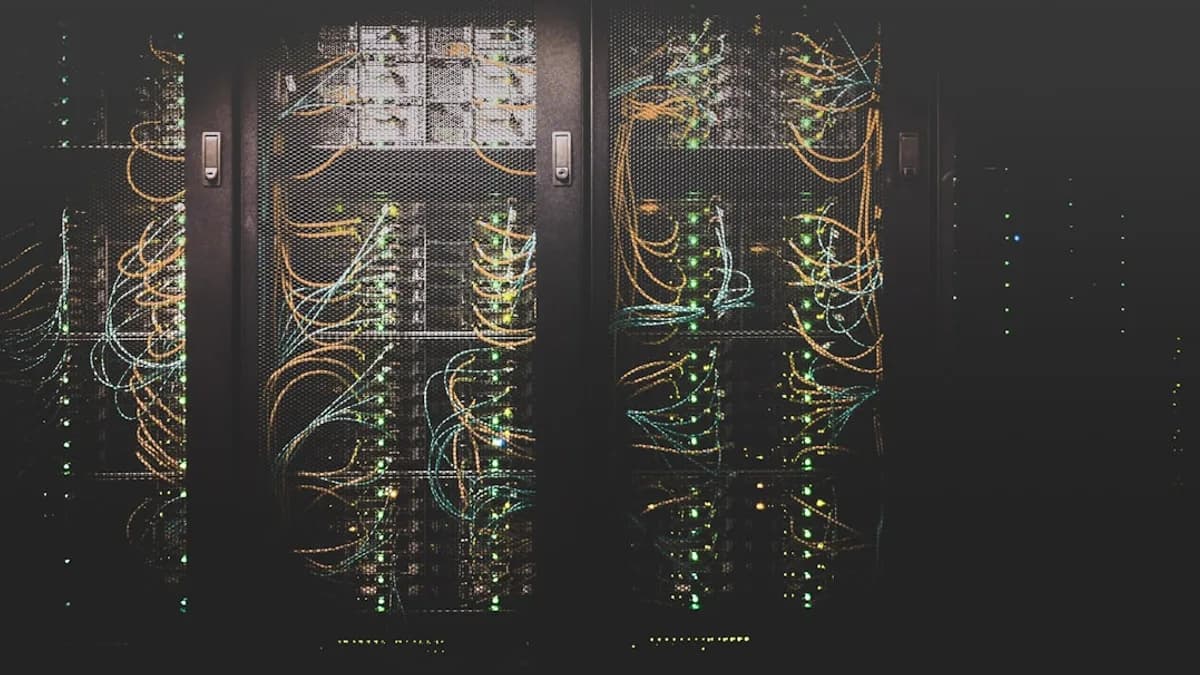
Why Gigawatt-Scale AI Data Centers Could Push Power Grids to the Brink
A single hyperscale AI data center can now draw as much power as a mid-sized city—and the buildout pace shows no sign of slowing. This isn’t a distant threat: grid operators across North America and Europe are already scrambling to keep up with surges driven by generative AI infrastructure. In the past year, requests for new data center connections have doubled in several U.S. regions, with some projects demanding over 1 GW—enough to power 750,000 homes. As AI model training intensifies and inference workloads scale, the energy appetite of these facilities is outstripping even the most bullish forecasts.
Unlike traditional tech infrastructure, gigawatt-scale AI data centers don’t just add incremental load. They introduce sudden, concentrated spikes that can force utilities to reroute power, delay maintenance, or tap emergency reserves. If grid upgrades lag behind demand, rolling blackouts aren’t just possible—they’re likely, according to Yahoo Finance. Texas, Virginia, and Georgia—regions with dense data center clusters—have already seen grid stress warnings and requests for voluntary load reduction. The risk stretches beyond tech hotspots; ripple effects could threaten grid stability nationwide.
This isn’t just a matter of keeping the lights on. In markets where AI buildouts concentrate, grid operators may have to prioritize power for data centers over residential and industrial users, triggering rationing and price spikes. The clash between digital expansion and physical infrastructure is shaping up to be one of the defining energy challenges of the decade.
Quantifying the Energy Appetite: Data and Projections on AI Infrastructure Power Use
The numbers are staggering. In 2023, U.S. data centers consumed an estimated 17 GW—roughly 4% of national electricity. Analysts project that generative AI and advanced cloud workloads could double this by 2030, with global consumption crossing 50 GW. China, meanwhile, is pushing for 25 GW of new data center capacity by 2026, with AI as the primary driver. Microsoft's 2024 buildout in Iowa alone is expected to require 1.5 GW, dwarfing the region’s previous industrial peaks.
To put this in perspective: America’s aluminum smelting industry, once notorious for its power hunger, used just 4 GW at its height. Bitcoin mining—which sparked grid stress debates in 2021—now draws 2.8 GW in the U.S. Large-scale AI clusters will soon eclipse both, and unlike crypto, their growth is tightly linked to corporate and national strategic priorities. The median power draw for new hyperscale facilities has jumped from 100 MW in 2019 to over 500 MW today, with several planned sites exceeding 1 GW.
The cumulative impact on regional grids could be seismic. In Northern Virginia, data center load is projected to jump from 2 GW in 2021 to over 10 GW by 2027—outpacing local population growth by a factor of ten. In Ireland, where data centers now consume 18% of all electricity, grid operators have imposed moratoriums on new projects to avert blackouts. If current projections hold, AI-related demand could force utilities to accelerate buildout timelines, boost rates, or cut service to legacy industrial users.
Diverse Stakeholder Perspectives on AI Data Center Expansion and Grid Stability
Data center operators are racing to secure power contracts, sometimes buying up entire substations to guarantee future supply. Their argument: AI is now critical infrastructure, and grid investment must match digital ambitions. They point to economic spillovers—job creation, tax revenue, and global competitiveness—as justification for priority access. Utility companies take a more cautious stance. Many warn that the grid can’t absorb gigawatt-scale projects without multi-billion-dollar upgrades and regulatory coordination. Some are lobbying for stricter siting rules and demand-response mechanisms to mitigate sudden spikes.
Regulators find themselves in a squeeze. On one side, politicians push for AI leadership and tech-driven growth; on the other, grid reliability and consumer protection. The Federal Energy Regulatory Commission (FERC) has launched inquiries into transmission bottlenecks, while state-level agencies debate moratoriums and load caps. Environmental groups are sounding alarms about carbon emissions. In regions still dependent on fossil fuels, gigawatt-scale data centers could drive up local CO2 output by 10% or more.
AI industry leaders are starting to admit the scale of the problem, though solutions remain nascent. OpenAI’s Sam Altman and Microsoft’s Brad Smith have called for “green AI” and partnerships with renewable providers, but the timeline for decarbonizing supply still lags behind demand growth. Some advocates propose on-site nuclear or advanced geothermal plants—ideas that attract headlines but face regulatory and public resistance.
Lessons from Past Energy Crises: How Historical Grid Failures Inform AI Infrastructure Planning
History offers cautionary tales. California’s rolling blackouts in 2000, driven by a spike in industrial and commercial demand against a brittle grid, cost the state $40 billion and triggered a wave of regulatory reforms. Texas’s 2021 freeze exposed how sudden surges—this time from heating, not data centers—can cripple even well-funded utilities, forcing millions offline. In both cases, delayed infrastructure upgrades and fragmented regulation proved fatal.
After the Northeast blackout of 2003, which left 50 million people without power, federal rules forced utilities to adopt stricter grid coordination and reserve requirements. Grid operators now monitor “critical load” more closely, but the AI surge is testing these safeguards. The lesson: when industrial demand outpaces grid investment, blackouts aren’t just a risk—they’re a near-certainty. Today’s AI buildouts echo the unchecked growth that preceded past crises, but with far more concentrated and unpredictable demand spikes.
What the Surge in AI Data Center Power Needs Means for Industry and Consumers
Expect electricity prices to climb—especially in regions with heavy AI infrastructure. Commercial rates in Northern Virginia have already ticked up by 8% since 2022, with local utilities warning of further hikes if grid expansion can’t keep pace. For households, the risk is less about immediate outages and more about chronic price volatility. If utilities divert power to data centers during peak loads, residential customers could face rationing or “brownouts” during heatwaves and cold snaps.
Tech companies will feel the squeeze on operating costs. The price of cloud compute is already rising, with Google and Amazon warning enterprise customers of “energy surcharges” in select markets. Innovation could slow as power-hungry models become cost-prohibitive outside well-funded labs. Startups and smaller firms may find themselves priced out, triggering consolidation and reducing competition.
Policy interventions are inevitable. States like New York and California are considering mandates for renewable offsets and carbon reporting by data centers. The federal government may step in with incentives for grid upgrades or penalties for excessive fossil-based consumption. Investment in renewables will accelerate, but timelines for new wind, solar, or nuclear plants rarely match the speed of AI buildouts. The gap could widen, forcing hard choices about which industries and regions get priority.
Predicting the Future: Strategies to Mitigate Blackout Risks Amid AI’s Energy Boom
Innovation is scrambling to catch up. Next-gen cooling systems—liquid immersion, phase-change materials—promise to cut data center power consumption by 20-40%. AI-powered grid management tools are helping utilities anticipate and smooth demand spikes, though adoption remains patchy. Battery storage and microgrid solutions are gaining traction, with companies like Google piloting on-site solar-plus-storage systems that reduce reliance on grid power during peak hours.
Grid modernization is gaining political momentum. Congress is considering a $50 billion package for transmission upgrades and smart grid deployment, while states roll out “fast-track” permitting for renewable projects. Utilities are experimenting with dynamic pricing and demand-response programs, offering discounts to data centers that throttle workloads during grid stress. Nuclear and geothermal—long sidelined by regulatory hurdles—are getting a second look, especially for dedicated data center supply.
Regulatory trends point toward tighter controls. Expect mandatory reporting of energy consumption and carbon intensity, load caps for new data centers, and incentives for on-site renewables. The strongest scenario: collaboration between tech giants, utilities, and regulators, with joint investment in grid upgrades and shared risk management. If these efforts coalesce, rolling blackouts could be contained to isolated incidents. If not, expect wider disruptions, higher prices, and a scramble for stable power—reshaping the global AI race.
The bottom line: The AI energy surge isn’t just a tech story. It’s a stress test for infrastructure, policy, and market dynamics. Survival will depend on who adapts fastest—those who build smarter, not just bigger.